Speakers
Meet the faculty, practitioners and community partners who will be presenting at the 2026 Summer Learning Institute.
Keynote Presentations
Vincent Flewellen
Drawing on her experience as a veteran English educator and state legislator, Kem Smith will help participants connect policy decisions to classroom realities and identify ways educators, families, and policymakers can share responsibility for improving student outcomes.
Presentation takeaways:
- A clearer understanding of how school funding shapes instructional capacity
- A framework for discussing parent partnership without blaming families or excusing disengagement
- Policy questions educators can use when evaluating mandates like testing, cursive writing and screen time limits
About the Speaker
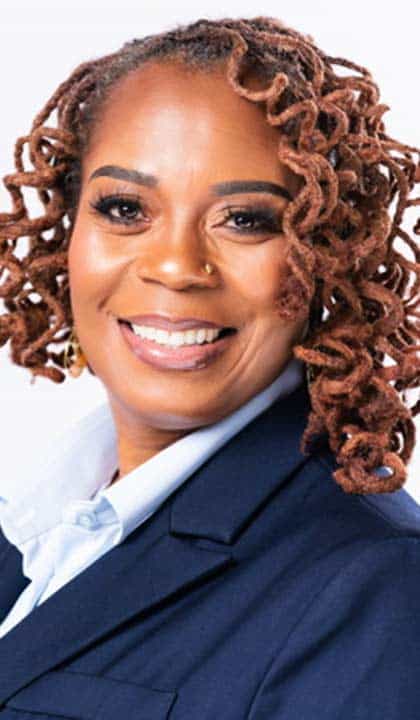
Kem Smith is a dynamic educator, storyteller and state legislator committed to uplifting communities through policy, purpose and personal growth. A proud St. Louis native, she has spent over two decades in the classroom shaping minds and mentoring future leaders. Now serving as Missouri State Representative for District 68, she champions bold legislation on education, economic equity, maternal health and civic engagement.
Schedule
Day 1: Morning Breakouts
Are you looking for guidance in addressing the social-emotional needs of students and staff? This training connects the core principles from the book Circle Forward: Building a Restorative School Community to the practice of empathy and repairing harm. By gaining a thorough understanding of empathy, restorative practices, and the distinctions between dialogue and discussion, school leaders will enhance their essential skills of unconditional positive regard and presumption of positive intentions.
Presentation takeaways:
- Participants will be able to articulate their own social identities, host a simple circle and design a restorative re-entry plan for students
About the Speakers
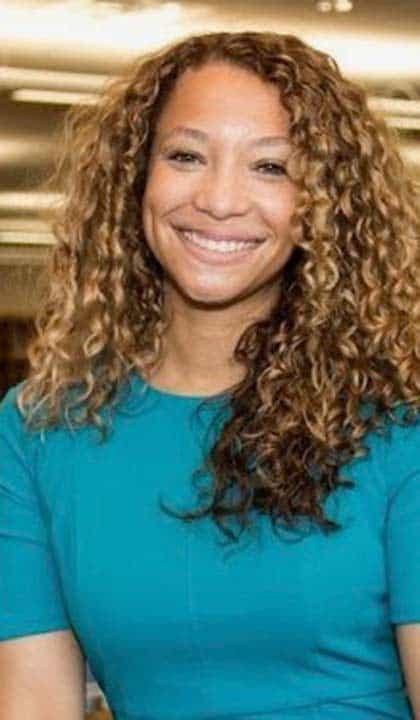
Brittany Hogan holds a B.A. in Psychology and a M.S.W. She became the first director of educational equity and diversity for Rockwood School District, one of Missouri’s largest and most esteemed districts. Her dedication to advocacy continued when St. Louis Mayor Tishaura Jones appointed her to the St. Louis Public Schools Board of Education in 2022. In 2022, Hogan founded BTheGrowth, a consulting business focused on enhancing equitable educational practices. Through this venture, she works with individuals, schools and organizations on equity plans, curriculum development, and educator support.
This interactive session helps educators examine how lived experiences shape implicit bias and how it can show up in classroom practice. Participants will build a shared understanding of bias, engage in reflection activities, and explore real-world scenarios. The session emphasizes practical strategies to reduce bias and to foster inclusive classroom environments for all students.
Presentation takeaways:
- Understand the connection between implicit bias and culturally responsive teaching
- Identify how messages we heard/saw shaped our biases
- Identify strategies to recognize and reduce bias
- Explore what this work looks like in your classroom
About the Speaker
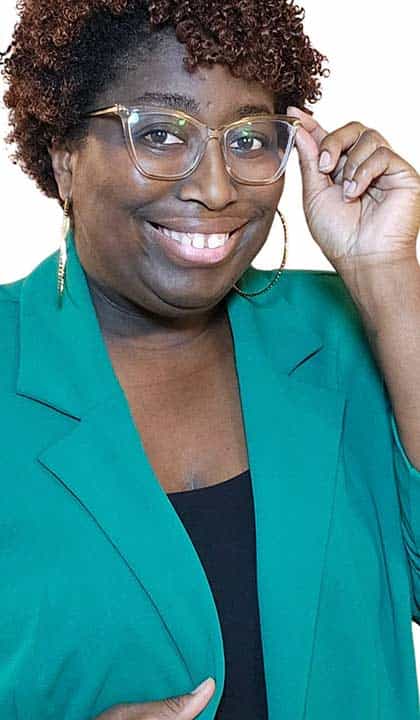
Anissa Morency currently works as a science curriculum coordinator. She is committed to supporting educators in creating equitable and inclusive learning environments. Her work focuses on uncovering and disrupting implicit bias in education, helping teachers reflect on their practices and implement strategies that better serve all students.
This session explores how classroom practices and instructional language can unintentionally prioritize compliance and content delivery over meaningful student engagement. Grounded in current Student-Centered Learning (SCL) research, Ken Patterson, Ph.D., will share practical, justice-centered strategies that help educators create equitable, inclusive, and relationship-driven learning environments for all students. Participants will examine how daily teacher decisions influence belonging, engagement, and achievement while leaving with immediately applicable practices that support authentic student learning and success across diverse educational settings.
Presentation takeaways:
- Analyze how common educational language and systems can unintentionally prioritize compliance and content delivery over equitable student-centered learning
- Apply research-based Student-Centered Learning practices that foster engagement and inclusion
About the Speaker
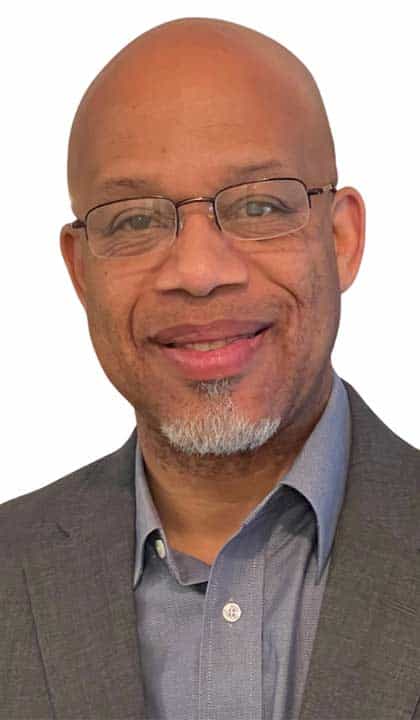
Ken Patterson, Ph.D., has spent nearly three decades in education across K–12 and higher education settings. His primary teaching experience was in middle and high school English language arts, where he developed a strong focus on student engagement, literacy and classroom relationships. Throughout his career, he has also served as a new teacher mentor, grade-level chairperson, instructional leader and teacher trainer, supporting educators in strengthening daily classroom practice.
Patterson’s research has consistently centered on teacher practices that improve student success through relational, student-centered approaches to learning. In addition to his work in education, he has taught as an adjunct faculty member in recent years while serving as pastor of a local church in St. Louis, Missouri.
There are 23 geographic school districts in St. Louis City and County, and district boundary lines can determine which students have access to educational opportunity in our region. Per pupil spending ranges from $11,585 per year in Bayless to $23,500 per year in Clayton, while the percentage of White students ranges from 0.5% to 82.4%. How did this come to be? This presentation examines the history of housing discrimination in St. Louis and how it directly impacts students in schools today.
Presentation takeaways:
- Describe how past racial housing discrimination shaped school district segregation.
- Describe the limits of past attempts to address district segregation in our region.
- Explain the pros and cons of possible policy solutions.
About the Speaker
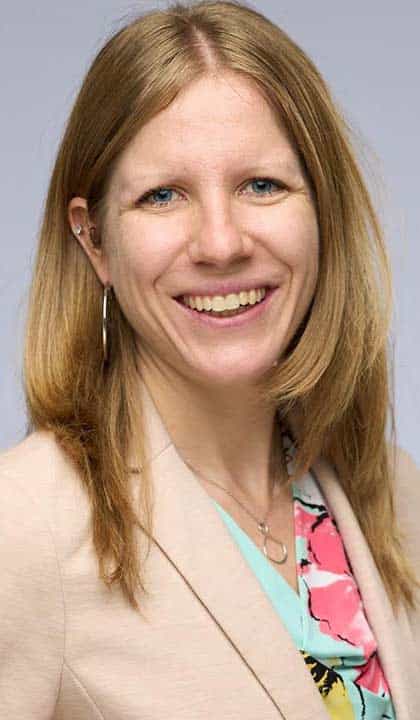
Amy Shelton is a research fellow and adjunct professor of education policy at Saint Louis University, where she previously earned her Ph.D. in Education Policy and Equity. She formerly taught fifth grade in Tulsa, Oklahoma, through Teach for America, helped coordinate a citywide early literacy intervention summer program, and served as an elected member of the Tulsa Public Schools Board of Education. Her research focuses on the geography of educational opportunity and the relationship between school choice and racial segregation, with a particular focus on greater St. Louis.
Effective support for neurodivergent students depends on strong, trusting partnerships between schools and families. Yet these relationships are often strained by stigma, inconsistent communication, and systems that position families as passive recipients rather than active collaborators. This session explores practical, justice-centered strategies for building authentic school–home partnerships with families of neurodivergent learners (including autistic, ADHD, dyslexic, and other learning differences). Participants will examine how bias and deficit-based language can unintentionally erode trust and learn concrete approaches to shift toward strengths-based, culturally responsive collaboration. Educators will leave with immediately usable tools for communication, problem-solving, and shared decision-making that honor family expertise, center student identity, and promote consistency between home and school supports.
Presentation takeaways:
- Identify common barriers to trust between schools and families of neurodivergent students
- Reframe communication using strengths-based and neurodiversity-affirming language
- Apply culturally responsive strategies for engaging families as equal partners
- Develop consistent home-school collaboration routines that support student regulation and learning
About the Speaker
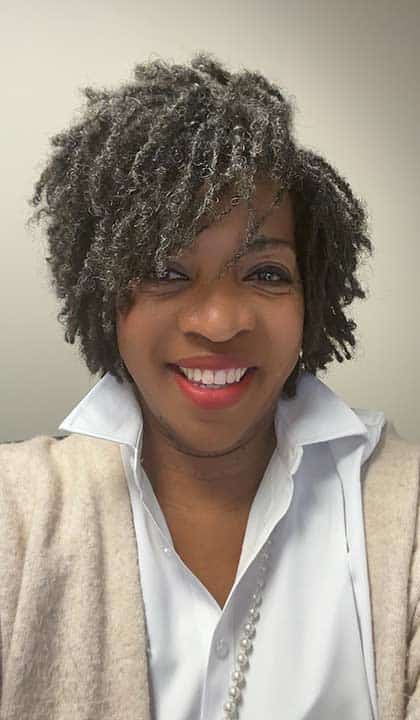
Leslie Tolliver is an HR professional and neurodiversity advocate with extensive experience in recruitment within today’s evolving workplace landscape. Drawing on both professional expertise and lived experience as a parent of neurodivergent children, they bring a dual perspective on how systems can better support neurodivergent individuals at work and at home. Their work focuses on inclusive hiring practices, workplace belonging, and practical strategies that help organizations move beyond compliance toward true inclusion. They are passionate about translating lived experience into actionable change that improves outcomes for neurodivergent employees and their families.
This session explores how schools and youth-focused organizations can move beyond their mission statements to create meaningful, sustainable student-centered learning environments. Presenters will highlight practical strategies for building a culture where students feel seen and are challenged and supported to succeed through intentional scheduling, equitable systems and an academic culture. Participants will leave with actionable ideas about strengthening academic culture, fostering a sense of pride and creating student-centered systems.
About the Speakers
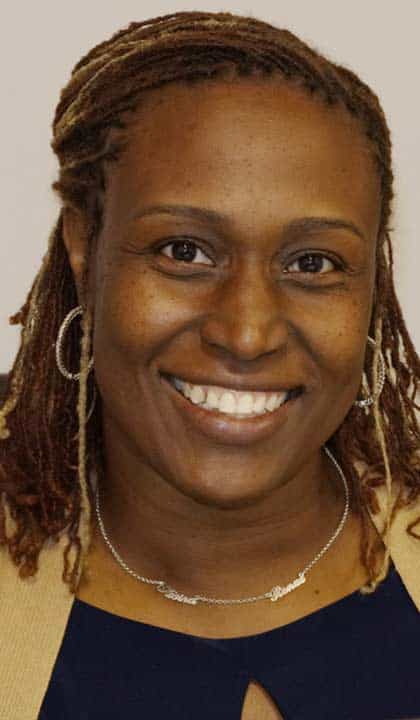
Kwira Vickers brings more than 20 years of experience in education across the St. Louis region. As both an assistant principal and principal, she has led transformative work to strengthen academic culture in public, charter and Catholic private school settings. She is a certified teacher, school counselor and principal.
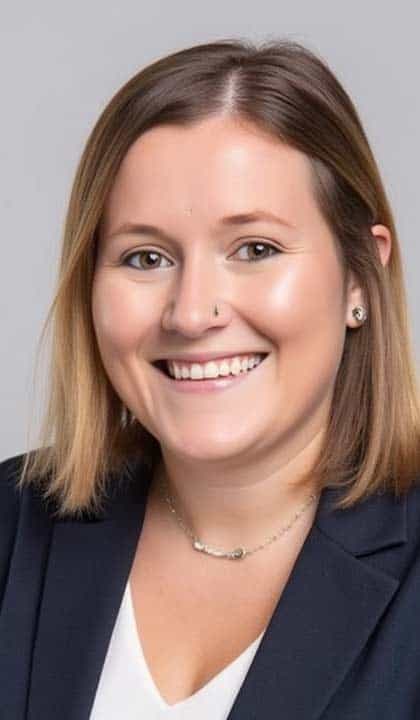
Jessica Pachak is an educator and principal turned nonprofit leader with nearly 15 years of experience in teaching, school leadership and youth development. Her work has focused on building strong academic environments, developing effective systems and supporting student success.
Together, Vickers and Pachak have collaborated for more than a decade in a variety of leadership roles, driving academic and cultural growth while creating sustainable systems that support lasting organizational change.
Day 1: Afternoon Breakouts
In a rapidly changing world, justice-centered education must be more than a series of one-off lessons—it must be woven into the very fabric of our curriculum. This interactive workshop invites educators to move beyond surface-level inclusion toward a sustainable framework for integrating DEIJ (Diversity, Equity, Inclusion, and Justice). By centering the unique identities of students, we will explore how to facilitate deep, age-appropriate learning in a way that is sustainable.
Presentation takeaways:
- A sustainable framework that integrates diversity, equity, inclusion and justice directly into the core curriculum
- Acquire tools to help students meaningfully explore their own identities and the world around them
About the Speaker
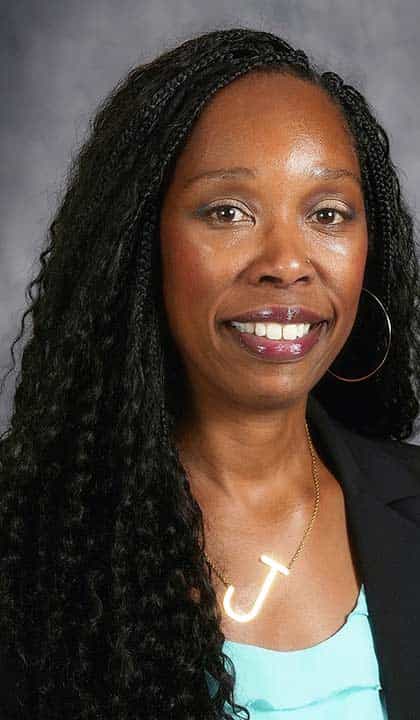
Jonelle Harris is an educator and director of diversity, equity and community with 14 years of experience and a dual background in early childhood education and marketing. Over the past decade, as a DEI practitioner and through years in preschool and first-grade classrooms, Harris has developed a practice grounded in both systemic strategy and the day-to-day realities of student life. Her work focuses on supporting educators to build environments where students experience genuine safety and belonging, while also creating spaces for adults to engage critically with their practice and apply equity in meaningful, actionable ways. Drawing on a multidisciplinary lens, Harris partners with educators and leaders to strengthen their capacity for reflection, critical thinking, and community-building, so that inclusive, justice-centered learning environments are not just aspirational but lived every day.
This interactive session explores how trauma-informed, culturally responsive wellness practices can support justice-centered education and student belonging. Grounded in The Oxygen Project: Yoga for Youth’s community-based model, participants will learn how breathwork, mindfulness, and movement can help create safer, more affirming learning environments for youth. Attendees will leave with practical tools to support emotional regulation, collective care, and healing-centered practice in schools and youth-serving spaces.
Presentation takeaways:
- Understand how trauma, racial inequity and student well-being intersect in educational and youth-serving spaces
- Apply simple breathwork
About the Speaker
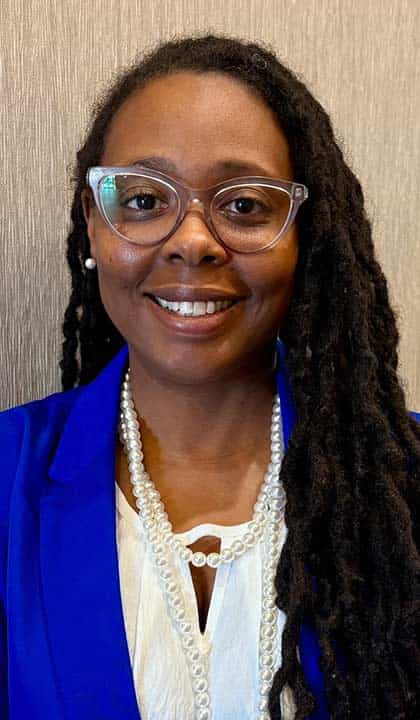
Chelesa S. Holden is a social worker, equity and social justice advocate, nonprofit consultant and Ph.D. student in higher education administration at Saint Louis University. She serves as executive director of The Oxygen Project: Yoga for Youth, where she leads trauma-informed, equity-centered programming that supports youth wellness, resilience and emotional well-being. Her work centers on equity in higher education, nonprofit leadership, community engagement, and creating systems that better support Black students, faculty, staff and historically marginalized communities. Holden brings extensive experience in strategic planning, organizational operations, program development, and equity-focused leadership.
Inclusive language matters, but putting it into practice can feel intimidating. This session helps educators overcome challenges in using gender-affirming language by exploring practical, implementable strategies. With the expert guidance of a nonbinary former English teacher, you'll increase your confidence with affirming language and create a more supportive school community. This is a judgment-free space where mistakes and tough questions are welcome, with opportunities for honest dialogue about supporting LGBTQ+ students in today’s sociopolitical climate.
Presentation takeaways:
- Be able to confidently use gender-affirming names, pronouns and inclusive language in everyday school interactions
About the Speaker
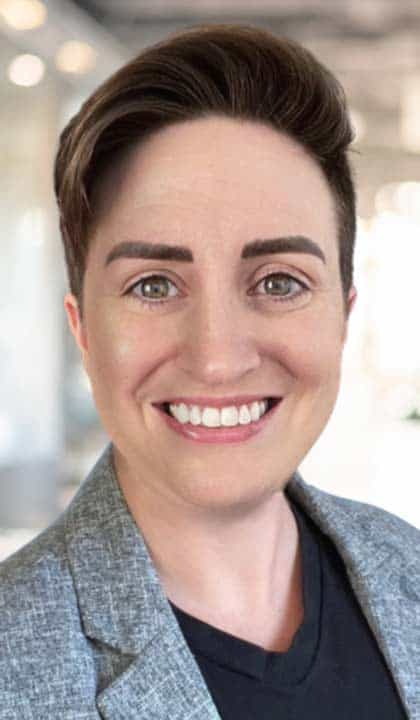
Jess Jones (they/them) is an accomplished educational consultant, facilitator, and former high school English teacher, recognized for their expertise in LGBTQ+ equity and gender-affirming practices within K-12 schools and higher education. Following their classroom tenure, Jones served as the education liaison at a Washington University's Pediatric Transgender Center at St. Louis Children's Hospital. Today, as the founder and director of Jess Jones Education & Consulting, they draw upon their professional journey and lived experiences as a queer and transgender individual to lead schools and organizations in creating gender-affirming environments for their communities.
This interactive workshop introduces educators to the power of journaling as a tool for social-emotional learning, confidence-building, creativity and life skills development in the classroom. Rather than simply discussing journaling strategies, educators will actively participate in several guided activities pulled directly from the Journaling for Life Skills student curriculum. Through reflection, music, creative writing and discussion, participants will experience firsthand how journaling can support emotional regulation, self-expression, communication and student engagement. This workshop also serves as an introduction to the full 12-Week Journaling for Life Skills program available for schools, after-school programs and youth organizations serving students in grades 5–12.
Presentation takeaways:
- Integrate low-pressure reflective writing practices into classroom routines and social-emotional learning strategies
- Use culturally responsive and arts-based journaling prompts to increase student engagement and participation
- Apply journaling techniques that help students build life skills such as communication, emotional regulation and goal-setting
About the Speaker
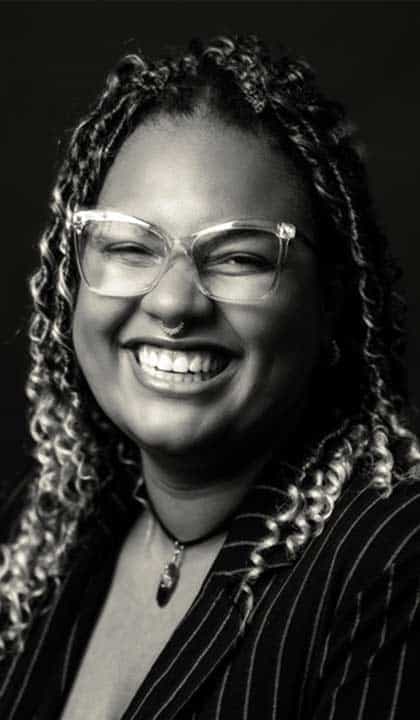
Arkayla Tenney-Howard is a writer, marketing consultant and workshop facilitator based in the St. Louis area. Her background is in public relations and she uses strategic storytelling to support local nonprofit organizations and small businesses. Her love of writing fuels her teaching a variety of workshops, including Canva classes, journaling courses and more.
Explore human interactions through clips of the 2023 film, "Origin." This film is based on the book "Caste" by Isabel Wilkerson and examines "the unspoken system that has shaped America and chronicles how lives today are defined by a hierarchy of human divisions."
Presentation takeaways:
- Explore the caste system and compare it to racism
- Watch and share a movie
- Connect with others not like me
Day 2: Morning Breakouts
Grounded in Dangerous Learning by Derek W. Black, this session examines how the historic suppression of Black literacy connects to present-day book bans, curriculum censorship, and the fight for truthful teaching. Participants will explore literacy as liberation, engage culturally responsive strategies aligned with the Science of Reading, and leave with practical tools to center Black voices, resist erasure, and reclaim curriculum as a space of empowerment.
Presentation takeaways:
- Understand how the historical suppression of Black literacy connects to present-day curriculum censorship and book bans
- Apply Science of Reading-aligned strategies through culturally responsive practices that affirm Black learners and communities
- Identify concrete ways to audit, reclaim and strengthen the curriculum so it centers on truth
About the Speaker
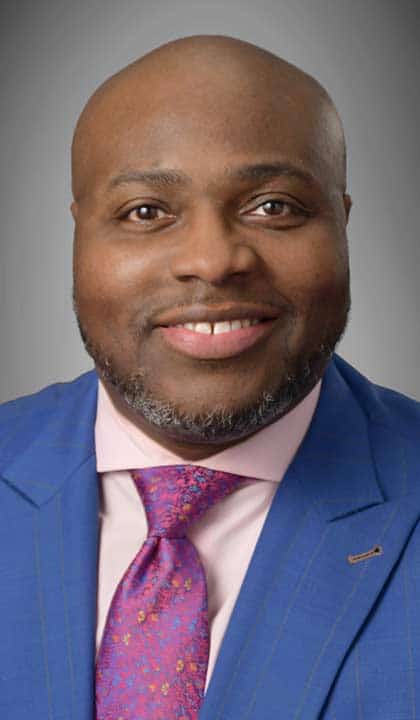
Zacheriah Davis is an educator, pastor, and social justice advocate with over a decade of experience teaching in urban school settings. He currently serves at Cardinal Ritter College Prep, where he empowers students through culturally responsive, justice-centered instruction. A passionate scholar-practitioner, he is pursuing a second doctorate in education, focusing on leadership, equity, and transformative learning. Davis integrates history, civic engagement, and real-world experiences to help students connect content with context and see themselves as agents of change. His work centers on uplifting Black and brown students and advancing equitable educational practices that extend beyond the classroom into the community.
How can special education systems move beyond compliance to create meaningful access and belonging? This interactive session examines how special education can more effectively support access to the general curriculum through strong Tier 1 instruction, thoughtful use of specially designed instruction, and collaborative systems. Participants will explore common barriers and leave with practical strategies to improve outcomes for students with disabilities.
Presentation takeaways:
- Identify common system-level barriers that limit access, belonging and outcomes for students with disabilities
- Apply principles of specially designed instruction to improve access to grade-level curriculum
- Distinguish between inclusion and belonging and evaluate their presence in the classroom and school settings
About the Speaker

Kacee Mann is a school psychologist with more than 10 years of experience supporting students, educators, and families in public school settings. She currently works in O’Fallon Community Consolidated School District 90, where she leads multidisciplinary teams, facilitates IEP processes, and supports early childhood and elementary programs. Mann is pursuing a doctorate in educational leadership at Saint Louis University, with a focus on equitable and inclusive systems for students with disabilities. Her work centers on strengthening Tier 1 instruction, improving special education practices, and building systems that promote access and belonging for all learners.
What does the science on reading actually say and what does it mean for teachers on Monday morning? This session grounds educators in the foundational research behind skilled reading, from the Matthew Effect to Scarborough's Reading Rope, and connects it directly to classroom practice. Participants leave with a clear, actionable framework for understanding how students become readers and how instruction must meet them where they are.
Presentation takeaways:
- Apply three foundational research frameworks (the Matthew Effect, the ACT Study and the Baseball Study) to literacy instructional decisions in the classroom and across the school
- Articulate why comprehension is an outcome of strong word recognition and language comprehension, not a standalone skill to be practiced in isolation
About the Speaker
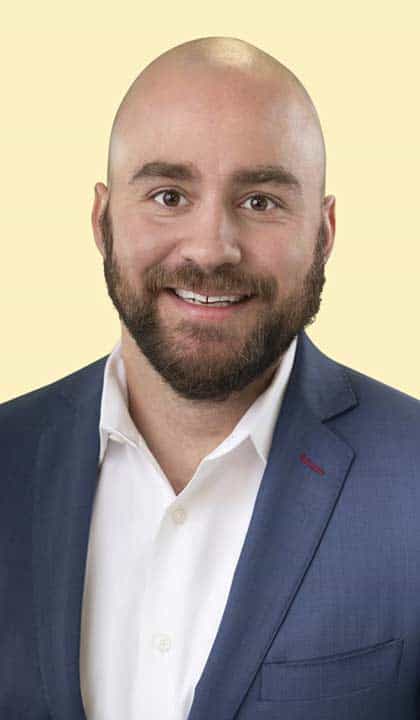
Mindscape is led by Antonio Pacifico, whose education career spans teaching, two successful school turnarounds as a principal and founding support across New Orleans, Denver and St. Louis. Most recently, he successfully launched three new schools in Saint Louis, adding over 600 high-quality seats. He actively shapes the national conversation around high-quality incubation for new school founders.
This session explores how STEM-based project learning, including rocketry programs, can promote equity, student engagement, and real-world problem solving. Participants will learn practical strategies for building inclusive, hands-on learning environments where students develop collaboration, creativity, and critical thinking skills. The focus is on connecting engineering design experiences to justice-centered education and increasing access to STEM opportunities for all learners.
Presentation takeaways:
- Strategies to integrate equity into STEM and project-based learning
- Practical models for student-centered engineering and rocketry activities
- Methods to increase engagement and belonging in STEM classrooms
- Ways to scaffold collaboration and hands-on problem solving
- Actionable ideas for implementing inclusive STEM instruction
About the Speaker

Nurlan Sherimbekov is a computer applications teacher and STEM club advisor at Frontier STEM High School in Kansas City, Missouri. He leads multiple student programs, including rocketry, engineering and technology-based project learning initiatives. His instructional focus includes integrating real-world problem solving, coding and AI-based learning into the classroom. He is passionate about preparing students for STEM competitions, college readiness and future technology careers.
More than 43,000 students in Missouri public schools were identified as English learners in the 2024–25 school year. In this session, we will engage in hands-on activities and take an asset-based approach to answer:
- What is our responsibility as educators or emergent bilingual students
- What specific strategies can we use to support emerging bilinguals in our classrooms?
Presentation takeaways:
- Identify the affordances and constraints of different tools available to aid in the instruction of Emergent Bilingual learners
- Enact strategies to engage Emergent Bilingual learners in classroom instruction and activities
About the Speaker
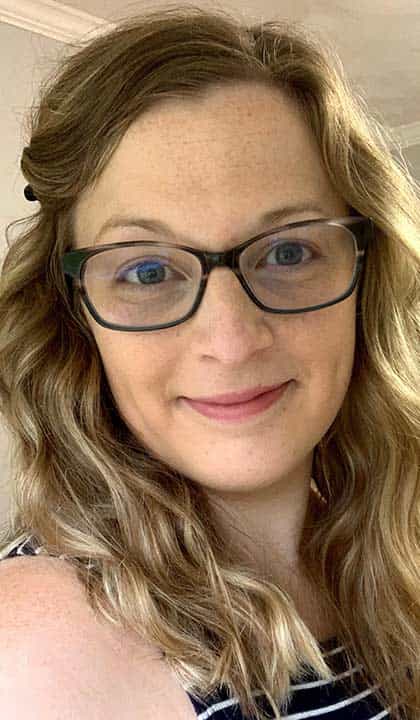
Courtney Vahle is the deputy director of the Policy Research in Missouri Education (PRiME Center) at Saint Louis University. She has her doctorate degree from the University of Missouri in learning, teaching and curriculum with an emphasis in math education. She also serves as an adjunct professor and field supervisor in Saint Louis University’s School of Education. Her favorite part of her job is creating research products that make complicated education topics easy to understand and helping future math teachers become more confident in their knowledge and instruction. In her free time, she loves walking her dog, playing board games, and spending time with her husband and young son.
Day 2: Afternoon Breakouts
This presentation explores how aligned systems of coaching, PLCs and data use can transform teacher practice and student engagement. Grounded in a four-year design-based model, this session highlights practical tools and strategies to ensure all students experience rigorous, inclusive instruction. Participants will leave with actionable approaches to create coherent, equitable learning environments that support meaningful outcomes for every learner.
Presentation takeaways:
- Identify gaps in instructional coherence and analyze their impact on equitable student outcomes
- Apply coaching tools and observation rubrics to strengthen high-impact teaching practices
- Use PLC structures and student data to drive collaborative, evidence-based instructional decisions
- Design actionable plans to improve student engagement and self-regulation across classrooms
About the Speakers
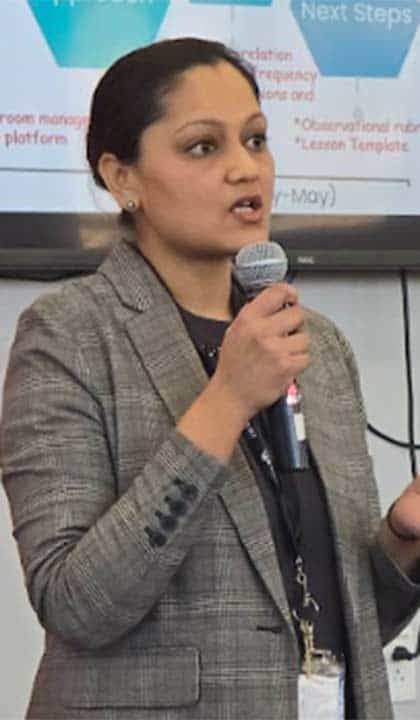
Pallavi Aggarwal is a post-doctoral fellow at the University of Missouri-Saint Louis.
The St. Louis Language Immersion School (SLLIS) drives continuous school improvement through a structured cycle of weekly fidelity data collection and action planning. This strategic process strengthens and aligns key school-wide systems, including instructional walkthroughs, PBIS, dual language and curriculum implementation, SEL, team data analysis, teacher feedback, PLCs and 1:1 coaching meetings.
By intentionally connecting these systems, we create coherence across the organization, monitor progress toward shared goals, and ensure that improvement efforts translate into meaningful outcomes for students and staff. This session will highlight how integrated systems and consistent implementation practices support the sustained growth and advancement of School Improvement Plan priorities.
Presentation takeaways:
- Implement a practical framework for fidelity monitoring and action planning to strengthen school-wide systems
- Align instructional, behavioral and organizational initiatives within a cohesive school improvement structure
- Use data collection and accountability practices to support equitable
About the Speaker
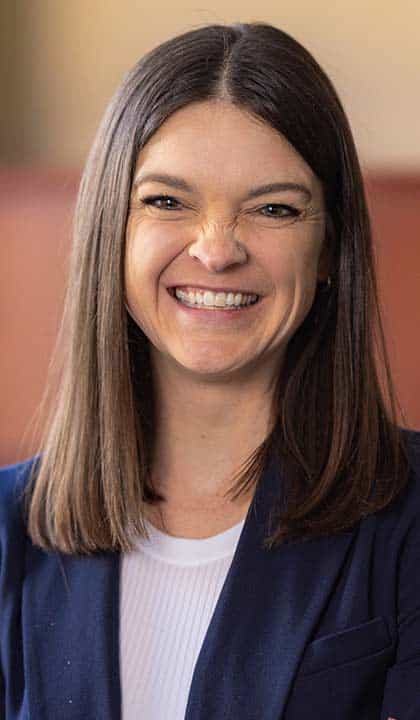
Meghan Hill has worked in public education in St. Louis City since 2011 and has been the Superintendent at SLLIS since 2018. A Teach For America alum, Hill holds a Doctorate and Master’s of Education in Educational Leadership from Saint Louis University and a master’s degree in French from Washington University in St. Louis. She is a certified teacher in elementary education, Spanish, and French, and she holds both principal and superintendent licensure in the state of Missouri.
As the United States faces a mental health crisis, 3.1% of Americans aged 3-17 are affected by anxiety. Through their vocation, Catholic school teachers are called to serve these students as children of God. This session reviews concepts of improvement science as they relate to better understanding current systems as well as using data to begin positive change.
Presentation takeaways:
- Better understand the United States Mental Health Crisis as it relates to anxiety and its effects on elementary school students
- Use improvement science to begin identifying obstacles in meeting the needs of students with anxiety in your space
- Collaborate with colleagues to create an improvement community focused on a mutual goal of student support
- Connect more deeply with your vocation in becoming an agent of change
About the Speaker
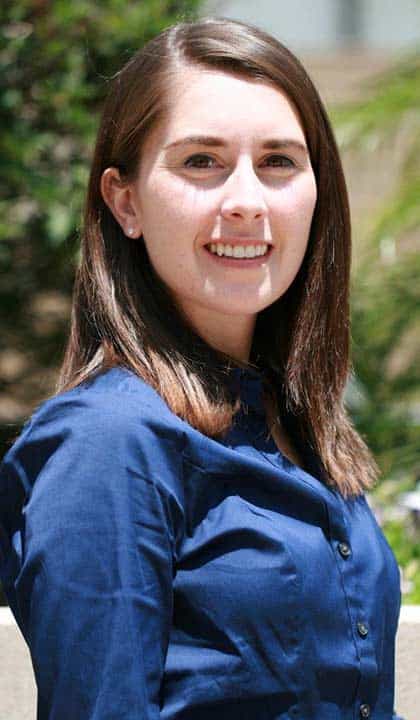
Kerry Smigielski is a paraprofessional for the St. Anthony School Programs in Pittsburgh, Pennsylvania. She is dedicated to inclusive education in Catholic schools. In her free time, Smigielski likes to relax with her husband and dogs, Sven and Olaf.
Change is hard. Scaling change is harder. Learn how University City Schools partnered with Updraft Education to align an entire district around a shared vision of great instruction and got 98% of teachers on board in a year. We'll walk through the systems, data, and change management moves that made it work, and how you can adapt them to your context.
Presentation takeaways:
- Identify the conditions that enable school-wide instructional change and assess where your own system stands relative to them.
- Apply the Rise Together framework to define shared instructional and cultural commitments and develop repeatable systems and data practices to drive change.
- Build a guiding coalition that can carry change forward across roles, building and the inevitable loss of initial momentum
About the Speakers
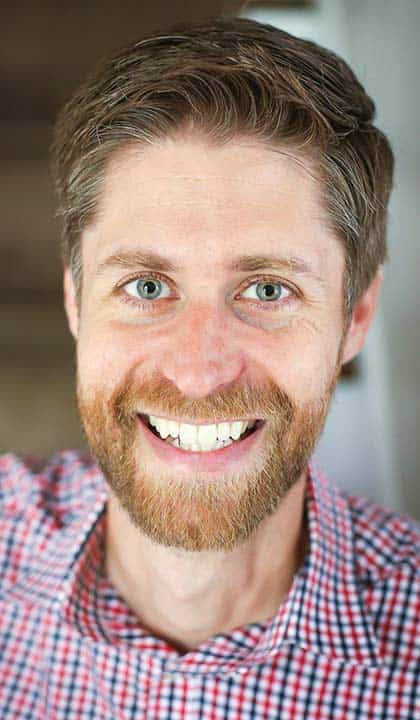
Brad White is the founder and CEO of Updraft Education, a national consulting firm that partners with school leaders and education organizations to build the systems, culture, and leadership capacity that drive breakthrough outcomes. Updraft serves more than 12,000 students across five states through executive coaching, annual planning, and its flagship cohort-based leadership development program, Rise Together.
A lifelong educator with 20 years as a classroom teacher and school leader, White is proudest of his founding leadership of DSST: Byers Middle and High School in Denver, a 2019 and 2024 National Blue Ribbon School, where he sustained 90%-plus teacher retention while driving top 1% national student achievement outcomes. He was also an early co-founder of what became MagicSchool.ai, one of the most widely adopted AI platforms in K-12 education.
White holds a B.A. from Luther College and an M.A. in Educational Leadership and Policy Studies from California State University Northridge and lives in Minnesota with three obnoxiously wonderful rescue pets, two teenagers in Minnesota public schools, and his creative and hilarious wife, Rachael, of Set the Table Photography.
Day 3: Morning Breakouts
Justice-centered education requires more than policy shifts; it requires a transformation of leadership culture. This interactive workshop introduces the "Kathairo" principle—the intentional pruning of systemic and relational obstacles to make space for equity. Drawing on the Intercultural Development Inventory (IDI) and Harvard-certified leadership strategies, participants will learn how to prioritize Emotional and Cultural Intelligence over technical skill to build high-trust, inclusive environments where every learner and educator can flourish.
Presentation takeaways:
- Conduct a Relational Audit: Participants will be able to identify "systemic dead wood," specific relational and cultural habits within their organizations that hinder justice and equity initiatives.
- Implement EQ-Driven Leadership: Leaders will gain three practical "Relational ROI" templates to facilitate high-trust cross-cultural conversations with staff and community stakeholders.
- Apply Intercultural Competence: Using the IDI framework, participants will be able to move their teams from "minimizing" cultural differences to "adapting" to them
About the Speaker
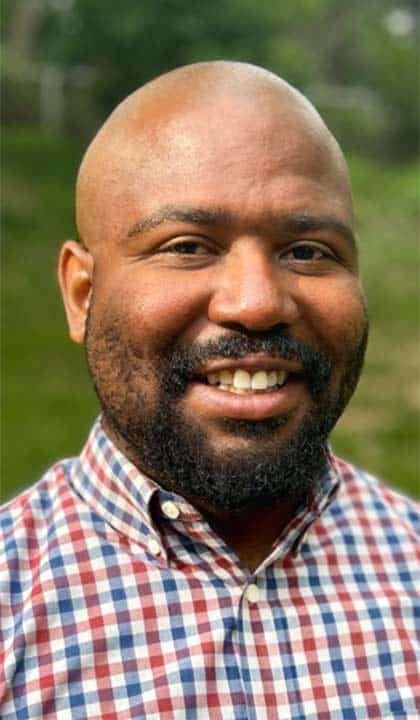
Herman Armstrong (@TheRevWrites) is an adaptive leadership coach specializing in cross-cultural communication and the Executive Director of a Christian nonprofit dedicated to racial reconciliation. He also leads the Kathairo Leadership Collective, where he equips leaders through adaptive coaching that fosters cultural clarity, effective communication, and organizational health. Currently pursuing a Doctor of Ministry in leadership, Herman also holds the Harvard Certificate in School Management and Leadership (CSML). He writes at Kathairo.com on the intersections of leadership, culture, and faith.
Participants will gain a foundational understanding of how to effectively support students with behavioral needs while ensuring compliance with IDEA and student discipline regulations.
Presentation takeaways:
- Understand IDEA requirements as it pertains to discipline for students with IEPs
- Apply differentiated accommodations to adequately support students with IEPs and behavioral needs
About the Speaker
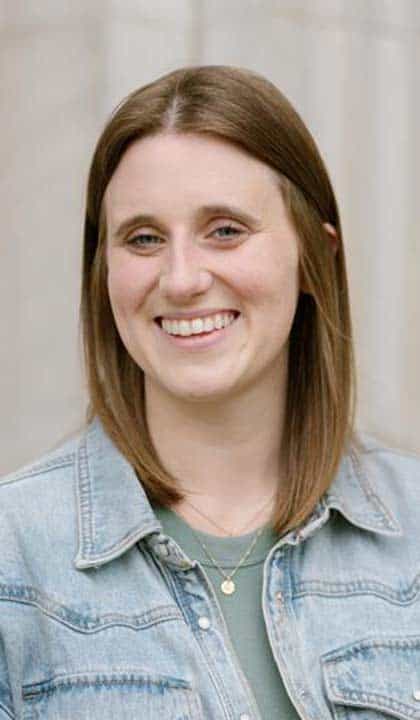
Hayley Chartier has over a decade of experience in supporting students with special education needs. Currently, Chartier serves as a Director for TNTP Inc., a national nonprofit focused on advancing opportunities and policies to end educational inequity. In her role, Chartier works on nation-wide initiatives to address the ever-growing need for high-quality educational options for students.
This interactive workshop engages participants in examining justice‑centered approaches to school discipline. Drawing on statewide insights from Missouri, attendees will engage in reflective dialogue and collaborative design activities to explore disproportionality, gaps in current interventions and the varied resource needs across districts. Participants will identify barriers, promising practices and co‑develop strategies for creating equitable, inclusive and safe learning environments for all students.
Presentation takeaways:
- Analyze disciplinary inequities through a justice‑centered lens using statewide insights and reflective dialogue
- Identify gaps in current interventions and understand barriers that limit equitable implementation
- Assess resource needs across contexts, including differences among rural and suburban
About the Speakers
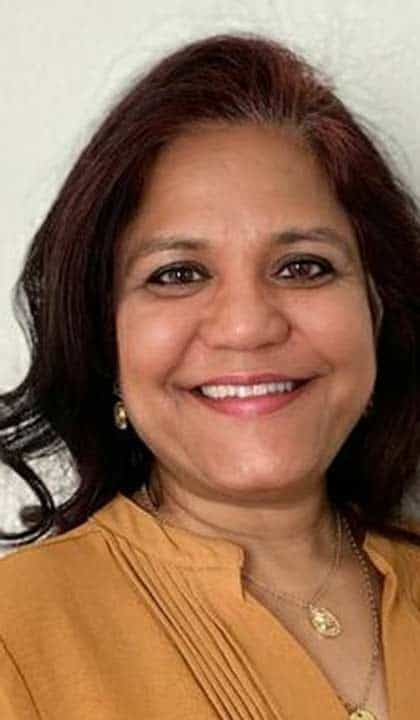
Pallavi Chhabra is a postdoctoral research associate at Washington University in St. Louis. Her work focuses on bridging the gap between research and practice to inform the design and implementation of equitable learning opportunities and policies in various educational contexts.

Kacy Shahid is a compassionate and motivational leader dedicated to fostering identity-affirming, inclusive environments.
Discover how Collective Teacher Efficacy (CTE) can serve as a powerful lever for equity in today’s schools. This session shares key findings from a district-level study, highlighting how leadership, trust, and collaboration shape collective beliefs and student outcomes. Participants will explore practical strategies to strengthen CTE, break down systemic barriers and create more equitable, inclusive learning environments where all students can thrive.
Presentation takeaways:
- Understand how Collective Teacher Efficacy (CTE) directly impacts equity and student outcomes
- Identify leadership practices that strengthen trust, collaboration and shared responsibility
- Recognize common barriers that prevent collective efficacy from developing in schools
About the Speakers
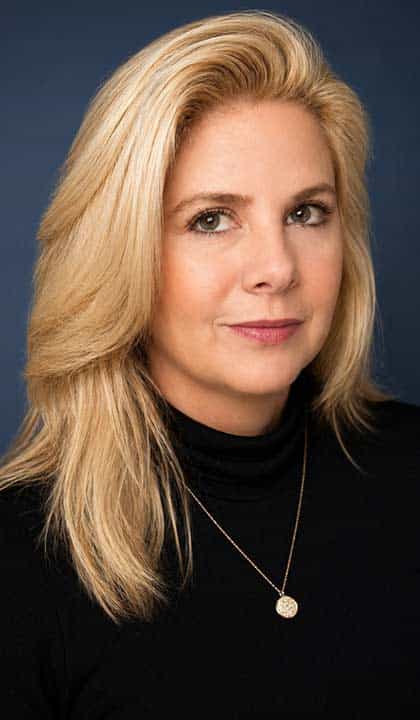
Jami Edwards, Ed.D., is a fifth-grade teacher and educational leader in Mascoutah, Illinois, with over a decade of experience in diverse school settings, including Saint Louis Public Schools. Her doctoral research at Saint Louis University focused on Collective Teacher Efficacy and its impact on equity, leadership, and student outcomes. Jami is passionate about building collaborative school cultures grounded in trust, high expectations, and shared responsibility for all students. She is committed to bridging research and practice to create meaningful, lasting change in schools.
Schools are navigating growing demands around compliance, student behavior, and equitable outcomes, yet many systems were built for accountability rather than belonging or development. This session introduces a Justice-Centered Systems Framework grounded in education reform, juvenile justice, restorative practices, and organizational leadership. It is a field-tested model that redefines how schools approach discipline, culture and leadership alignment. Participants will examine why reactive discipline systems fall short and how to build proactive environments where belonging is embedded into the structure. Through real-world examples, attendees will leave with practical strategies and a clear, actionable path forward.
Presentation takeaways:
- Assess current school or organizational systems to identify gaps in equity, discipline practices and student belonging
- Apply a Justice-Centered Systems Framework to redesign discipline and compliance
About the Speakers
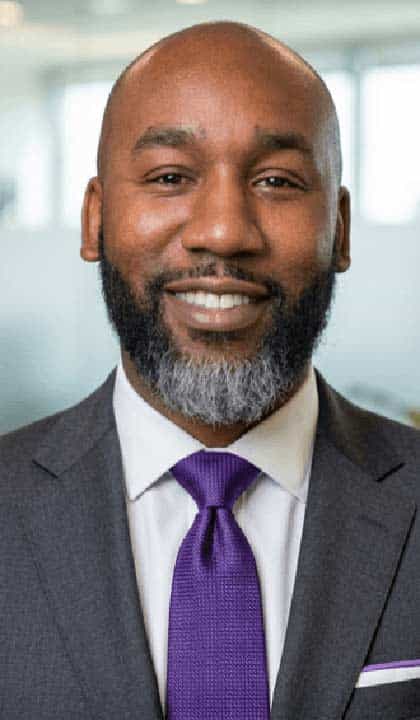
Urail S. Williams is the founder and CEO of C II C Consulting LLC, where he leads efforts to build stronger, more connected communities through strategic planning, leadership development, and systems improvement. With a background in education, law enforcement, and youth development, he brings a multidisciplinary approach to addressing school culture, discipline, and community safety. Urail has presented at state and national conferences, including the Missouri Charter Public School Association, the Missouri Charter Public School Commission, and the National Association of Charter School Authorizers. His work focuses on restorative practices, equitable systems design, and creating sustainable pathways for student success, particularly for youth impacted by discipline and the juvenile justice system. He is passionate about equipping leaders with practical tools to drive meaningful, justice-centered change in schools and communities.
Day 3: Afternoon Breakouts
In Culturally Responsive Teaching and the Brain, the role of “lizard brain” is to protect us from “threats” that might cause hurt, harm, danger, risk, embarrassment, “exposure,” etc. The danger or threat that the brain senses could be either physical, psychological, or socio-emotional. You may recognize impostor syndrome and stereotype threat as manifestations of the brain-body reaction to psychological/socio-emotional threats. There are at least nine other ways you react to stressors. These stressors, or saboteurs, if not addressed, can prevent you from reaching your full potential.
In this workshop, you will explore how you might unconsciously be your own “worst enemy," your self-saboteur. Walking away from this session, you will use a “saboteur assessment” to learn your top nine limiting behaviors and mindsets. You will also commit to three to five strategies to help you confront and neutralize the specific ways you self-sabotage.
Presentation takeaways:
- Identify and analyze the personal “saboteurs” and stress responses that influence leadership, communication, decision-making and relationships in educational spaces
- Apply neuroscience-informed and culturally responsive strategies to build psychologically safe
About the Speaker
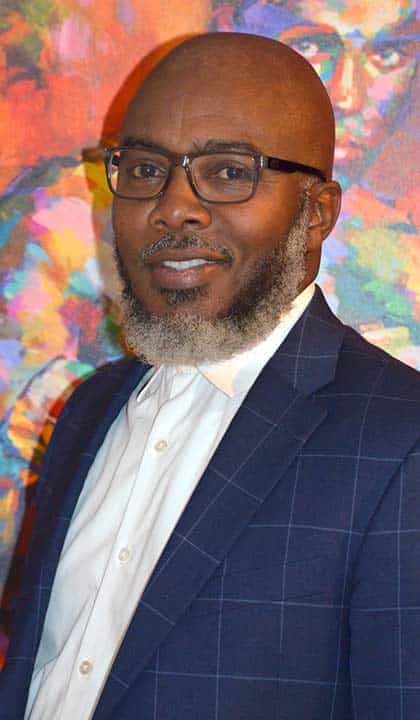
Ian Buchanan is the CEO of Nia Education Group, a coaching and consulting firm focused on helping leaders become their greatest leadership selves, and the author of "KING: A Four-Part Leadership Framework for Black Men." He currently serves as interim chief of schools at Confluence Academies and previously served as chief academic officer for the School District of University City and founding director of strategic partnerships for the Achievement School District in Memphis, Tennessee.
A veteran educator and leader, Buchanan has spent more than two decades serving in K–12, adult education, undergraduate, and graduate teaching and leadership roles, including as an elementary and secondary principal. He has earned numerous honors, including the Missouri Association of Secondary School Principals Consummate Professional of the Year Award, the St. Louis American Salute to Excellence in Education Award, and the Teach For America Principal of the Year Award. Above all, Buchanan is deeply committed to empowering communities and is proud to be the husband of Carmen, father of Nia and “Pop Pop” to Kingston Jax.
Equity requires more than awareness. It requires action, especially in uncomfortable moments. This session uses the Check Your BS® (Belief System) transformational coaching framework and Energy Leadership™ to examine how comfort, avoidance, and unchallenged beliefs show up in education. Participants will learn how to recognize internal barriers and make more intentional choices that support equitable, inclusive learning environments.
Presentation takeaways:
- Recognize how your belief systems influence how you show up in moments that impact equity and student success
- Identify when “comfort” is showing up as avoidance, silence or hesitation in your interactions
About the Speaker
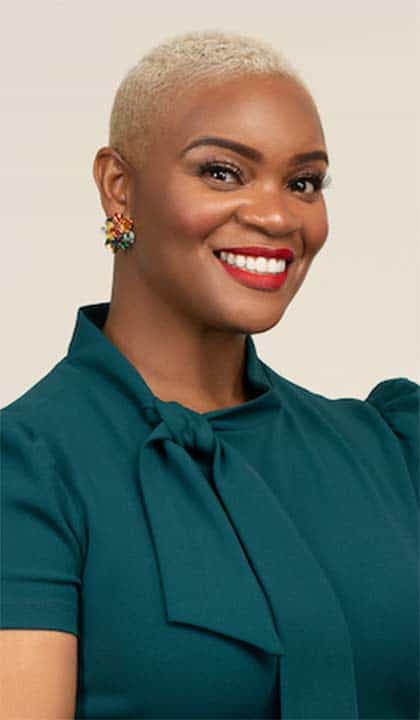
Coach Shaquan is a certified life and relationship coach, speaker, and teacher who helps leaders at all levels challenge what they think, check what they believe, and choose how they show up in the classroom, workplace, and everyday life. She is the creator of the Check Your BS® (Belief System) transformational coaching framework, designed to uncover how habitual thoughts shape communication, relationships, and choice-making. Integrating Energy Leadership™, her work helps people recognize how their energy and belief systems influence behavior under both normal and high-pressure situations. She creates spaces where people feel seen, heard, and willing to tell the truth about what’s really driving their actions. Her work extends throughout the St. Louis community and across the U.S., delivering experiences that move beyond inspiration into measurable, transformative change.
Many schools attempt to improve outcomes for diverse learners while operating within fragmented systems where interventions, classroom instruction, support services, and educator development are disconnected. This session explores how schools can move from isolated supports to integrated, inclusive systems strengthening instruction, student belonging and long-term sustainability. Participants will examine how school systems shape adult practice, what new educators learn from the environments they enter, and how intentional collaboration and coaching structures can sustain inclusive practices.
Presentation takeaways:
- Examine how belonging, identity and instructional access are shaped through school systems and adult practices using system inquiry
- Analyze how instructional culture and adult modeling influence the practices new educators sustain over time
About the Speakers
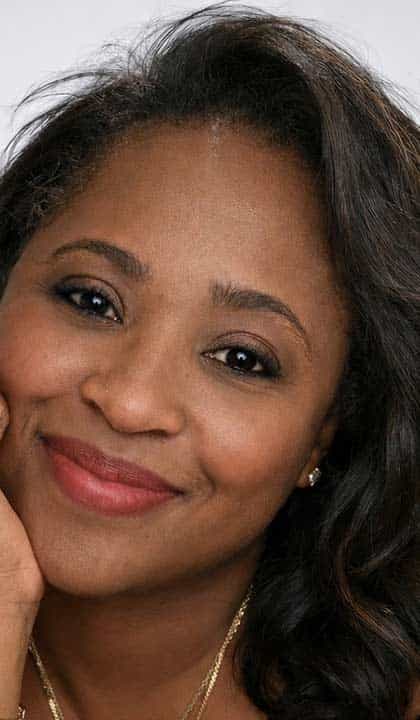
Makeesha Coleman is a nonprofit and education leader committed to building inclusive systems that support student success and strengthen communities. As the founder and executive director of Envision Learning Hub, she leads initiatives that expand access to school-based special education supports through data-driven practices and cross-sector university partnerships. Her work focuses on strengthening educator capacity, amplifying family voice and ensuring students with diverse learning needs receive high-quality, responsive support.
Previously, she directed multi-million-dollar service portfolios in South Florida, developing professional learning pipelines and collaborative partnerships that advance equitable outcomes. Makeesha’s leadership is grounded in the belief that lasting change is built through trust, transparency, and collective action.
Burnout isn't just overworking. It's self-abandonment in every area of your life. You freeze in meetings. You have 17 brilliant ideas and start none of them. You get asked a direct question and your brain goes blank. This workshop delivers specific tools for specific freeze moments, so you can keep overwhelm from turning into full-blown burnout. Plus, one question that changes everything. Walk away grounded, clear, and able to start when you're stopped.
Presentation takeaways:
- Use a 60-second somatic reset before any high-stakes conversation
- Apply the 5-step Unfreeze Formula to start any task they've been avoiding
- Advocate for themselves in the moment.
About the Speaker
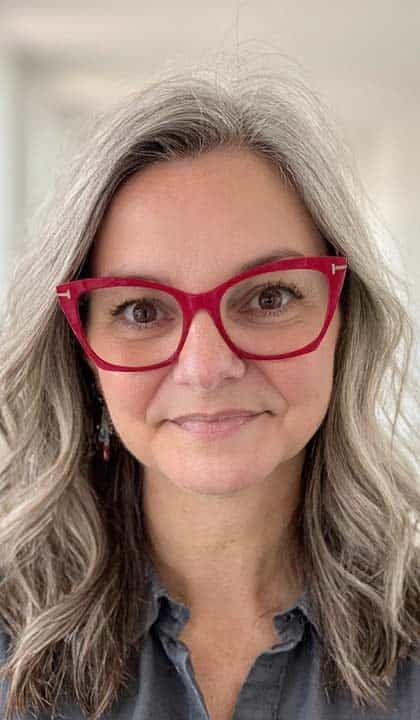
Amy Latta helps ADHD leaders stop burning out, by asking for what they need. A master-certified feminist coach of 13 years and former corporate marketer, Amy knows firsthand what it means to white-knuckle your way to success on a system that was never built for your brain. She teaches practical, embodied frameworks including the L.E.A.D. Method and the Unfreeze Formula. Her work sits at the intersection of neurodiversity, nervous system regulation and sustainable leadership.
Hear from one technical expert, one practicing educator and Missouri's state-wide green schools coordinator about how school sustainability projects can have a positive impact on student and staff wellness, environmental health, and school operations and finance.
Presentation takeaways:
- Green schools are healthier for both people and planet
- School sustainability initiatives are just as effective when they are low- or no-cost
- Students can lead school sustainability projects and can inspire school districts/boards to do even more
About the Speaker
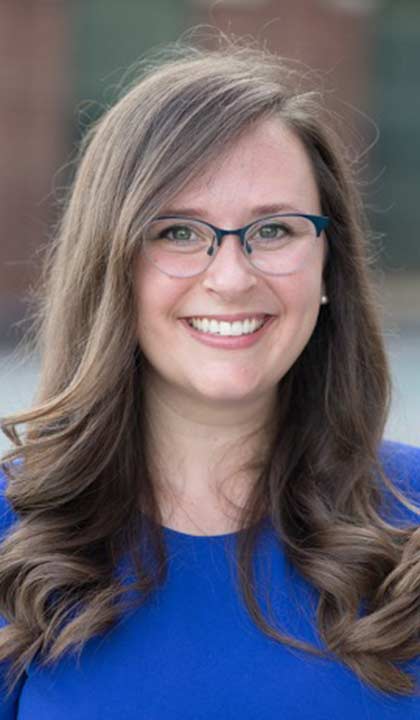
Deborah Rogers Curtis currently runs three state-wide school sustainability programs for pre-K through 12th-grade public, private and charter schools. She is a former principal and teacher, and her time as an educator included student-led sustainability initiatives that improved the school's physical environment for both people and planet. Deborah now supports schools across Missouri that want to take on a sustainability initiative.
The UMSL Charter School Office will present on how leaders can build capacity for school-level translational research. While balancing support for continuous improvement with oversight boundaries, this partnership helped schools clarify and track social-emotional learning goals. Through cycles of inquiry, the sponsor and schools co-built systems to assess progress, determine initiative effectiveness, and adjust practices. This collaborative capacity-building empowers charter schools to drive authentic growth and communicate success beyond traditional academic measures.
Presentation takeaways:
- Be able to identify areas they could leverage outside support
- Reflect on how to restructure past partnership opportunities
- Understand the tools and systems that might be created as a result of such partnerships