Professor Marsha Griggs: Championing Students, Reforming the Bar, and Staying Accountable
For Saint Louis University School of Law Professor Marsha Griggs, the classroom is more than a place to lecture about case law. It is a testing ground for accessibility, accountability, and advocacy — the same values that have shaped her own journey from law student to practicing attorney to nationally recognized leader in bar reform.
Griggs joined the SLU Law faculty with a mission: to make the profession more transparent and equitable, particularly regarding its most daunting gatekeeper: the bar exam. Her scholarship and advocacy have earned her a reputation as one of the nation’s foremost experts on bar readiness, reform, and licensure. But her work always comes back to one thing: her students. “I try to be everything I didn’t get in law school,” she said. “I want students to know they can ask questions without fear.”
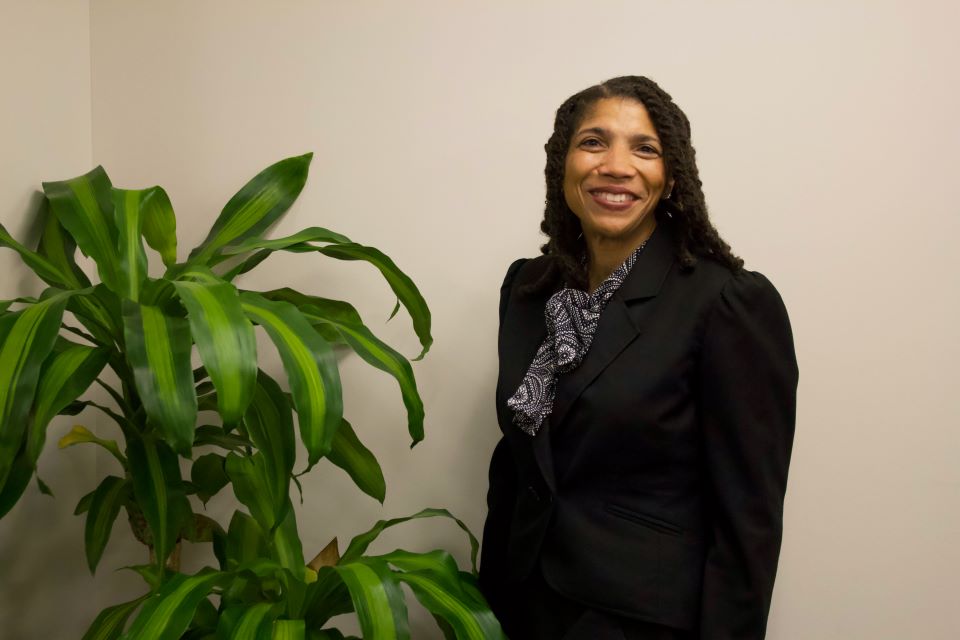
Griggs’s route into law was almost accidental.
“I was peer-pressured into taking the LSAT,” she laughed. “My friends were all studying, and I’ve always liked standardized tests, so I joined in.”
Once enrolled at the University of Notre Dame Law School, she thrived academically but felt unsupported in preparing for the bar.
“There were no bar prep programs at my law school,” she explained. As one of just four graduates from her law school to take the Texas bar exam that year, she remembers thinking, “We all have to pass, because if one of us fails, I don’t want anyone thinking it was me,” since the school published anonymized results by state. That determination pushed her to share study charts, break down complex material, and support her peers.
“What started as selfish motives became a labor of love,” she said. “I realized I was good at making the material stick. And I loved seeing other people succeed.”
At SLU LAW, Griggs teaches courses including Property, Legal Profession, and Evidence. She is known for weaving into her lectures bar-tested material and real-world context, turning even the most dreaded courses into approachable — and sometimes even enjoyable — experiences.
“Property is the class that makes lawyers grimace,” she admitted. “So I focus on rules, cement them into students’ minds, and then put them into client scenarios. Instead of just memorizing doctrine, students imagine representing a tenant facing eviction or a landlord navigating repairs.”
Griggs uses humor and accessibility to break down barriers. Even in class sizes of 80 or more, she learns students' names and stays after class to answer questions. Sometimes she opens discussions with “wrong answers only,” encouraging students to participate without fear.
“I want students to feel safe speaking up,” she said. “Because when you’re someone’s attorney, you can’t stay silent just because you’re unsure.”
Her students, many of whom are first-generation law students like herself, often find her approach refreshing.
“I think back to my own experience,” she said. “If my professors had just explained things differently, or drawn a picture on the board, I would have understood so much faster. That’s what I try to give my students.”
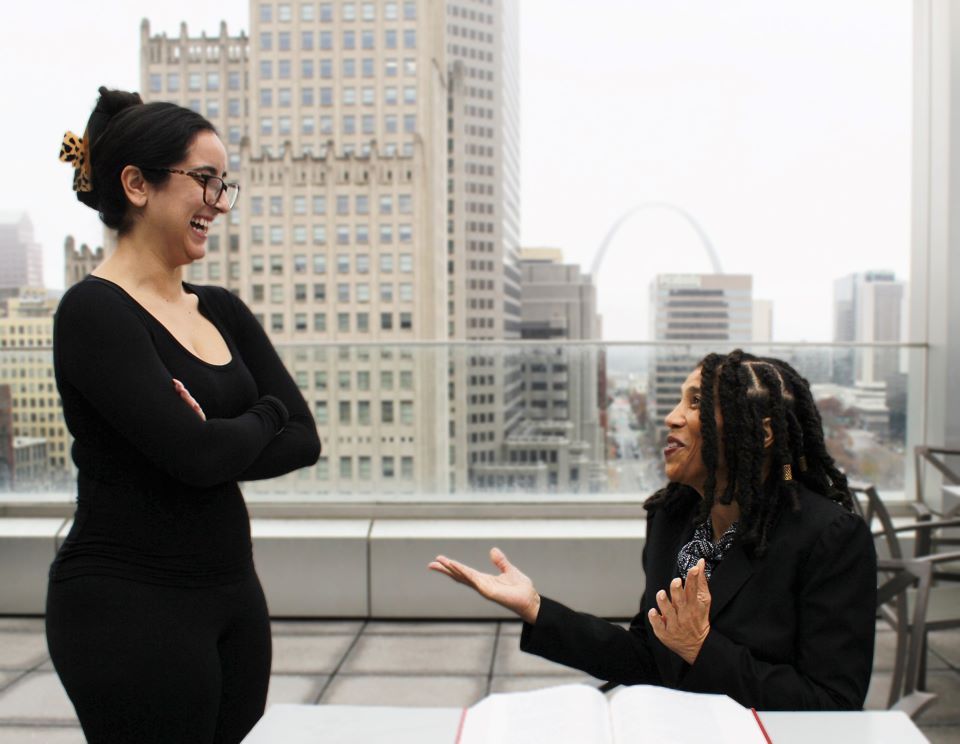
Beyond her classroom, Griggs is a scholar and advocate whose work has reached courts, policymakers and bar examiners across the country. Her research highlights inequities in bar admission, from access for students with disabilities to the impact of COVID-19 on test administration.
“The bar exam is changing in 2026, but even now, students haven’t seen a full-length prototype,” she said. “How can they prepare? Licensure decisions keep adding padlocks to the gate[s] of our profession. Students are too busy studying — or too intimidated — to challenge it. That’s where I come in.”
Her voice has been instrumental in pushing jurisdictions to reconsider long-standing practices. In recent years, states like Oregon and Washington have created supervised practice pathways to licensure, recognizing that a single high-stakes test is not the only measure of competency.
“My goal has never been to abolish the bar exam,” Griggs said. “It’s to make it fair, to make it equitable, and to make sure it actually tests the skills lawyers need.”
Professor Griggs’ influence is already evident at SLU LAW. She is shaping not just future attorneys but future advocates who will carry her message forward, into classrooms, courtrooms, and policy debates. For her, success is not only measured by students passing the bar but by the changes they will make once they enter the profession.
“Every student I teach is going to be somebody’s advocate,” she said. “My job is to make sure they have the tools, the voice, and the accountability to succeed, not just on the exam but in life.”
This piece was written by law student Josh Schmidt. It was originally published in the SLU LAW Brief alumni magazine volume 2026.