Doerr Center for Social Justice
Saint Louis University's Emmett J. and Mary Martha Doerr Center for Social Justice Education and Research is an independently funded center within SLU’s School of Social Work that promotes long-range solutions to social problems through education and research.

Established in 1996 thanks to an endowment by the Doerrs, descendants of a 1937 graduate, the center sponsors an annual Social Justice Lecture event, featuring important keynote speakers on social justice issues, as well as faculty research and awards to students for international travel and dissertations.
Upcoming Events
SLU School of Social Work RESEARCH AND TEACHING EXCELLENCE
Friday, April 17, 2026 9:00am - 5:00pm Virtutally and in the School of Social Work, Tegeler Hall, 3550 Lindell Blvd, Saint Louis, Mo 63109
Social Work faculty teaching Countinuting Education & Lunch and Learn: Social Work Faculty Presenting Innovative Research
Past Events
From Katrina to St. Louis: Lessons in Community-Led Disaster Recovery'
Thursday, Nov. 20, 2025
The 2025 Doerr Center for Social Justice Lecture event this year featured Robert Hawkin, vice dean and associate professor at the University of North Carolina at Chapel Hill School of Social Work, and representatives from three St. Louis organizations working directly with those affected by the tornado. Drawing on ethnographic research with Hurricane Katrina survivors, the keynote address and panel discussion will explore how communities respond to disaster and what effective relief looks like on the ground
Decolonizing Therapy ™: Intro to Decolonizing Mental Health Workshop with Jennifer Mullan, Psy.D.
Friday, Nov. 1, 2024
Jennifer Mullan, Psy. D., will guide participants through a presentation that will connect colonization to the mental health industry, and begin to slowly unpack the oppressive legacy of modern mental health practices- and their importance. We will look at the roots of many people’s emotional wounding and focus on the importance of healing within a sociopolitical lens, particularly for Queer, Indigenous, Black, Brown, and People of Color (QIBPOC).
Decolonizing Therapy ™: Healing The Colonial Soul Wound in Psychology Keynote Lecture: with Jennifer Mullan, Psy.D.
Tuesday, Oct. 29, 2024
Jennifer Mullan, Psy. D., will invite participants on a journey towards acknowledging, unlearning, and revitalizing their emotional-decolonial process of ancestral self-discovery. This interactive workshop will discuss why it is important for mental health professionals to take an emotional-decolonial approach and “shift our perspective” in how we provide services. This workshop will cover the core wound trauma of colonization resulting from cultural, historical, and ancestral trauma. As well as the impact of structural and systemic oppression on clients and practitioners.
Decolonizing Therapy’s ® framework will invite practitioners to consider how rage, grief, and shame are often pathologized- and how the personal is indeed political. This workshop seeks to expand our story and reframe how therapy is conducted; instead offering the creation of community support for therapists to create new pathways to healing, not just “treating.” The aim of this workshop is for attendees to have instilled confidence in unlearning and reclaiming; while walking away with actionable steps to politicize their practices!
RaceTalk Workshop Series: Systemic Racism and Anti-Blackness Lecture and Facilitated Discussion with Bedelia Richards, Ph.D.
Wednesday, Sept. 27, 2023 (Part One) and Feb. 9, 2024 (Part Two)
Join Bedelia Richards, Ph.D., a renowned race scholar, for a two-part workshop series for undergraduate and graduate SLU faculty. Part one of this free series will focus on enhancing faculty skills related to conducting cross-racial dialogues in the classroom and beyond. Part two of the workshop will assist faculty in incorporating these skills into their teaching. Faculty will have the opportunity to develop lesson plans and classroom activities designed to teach cross-racial dialogue skills to students.
Kenya Brumfield-Young
Moral Engagement and Compulsive Misbehavior among Youth in Missouri Residential Treatment Settings: Toward a Community-Based Prevention Framework
Project Description: Missouri Division of Youth Services (DYS) is a state-run organization responsible for the care and treatment of juveniles referred by the juvenile courts due to law violations or status offenses. This division is recognized for its innovative approach to juvenile justice, focusing on rehabilitation rather than punishment, with the aim of reintegrating youth into their communities as productive and responsible citizens.
The Missouri DYS operates a comprehensive system encompassing detention centers, residential treatment facilities, group homes, and community-based programs. These facilities are designed to provide a continuum of care, addressing the diverse needs of the youth they serve through individualized treatment plans, education, vocational training, and therapy.
Demographic information about the juveniles within the DYS system varies, reflecting the broader demographic trends of the state's youth population. The system serves both male and female juveniles, with a larger proportion of males reflecting nationwide trends in juvenile justice systems. The age range typically spans from 10 to 21 years old, with the majority being teenagers.
The racial and ethnic composition within the Missouri DYS has historically mirrored the racial disparities present in the national juvenile justice system, with African American youth and other minorities often being overrepresented compared to their proportions in the general population. This overrepresentation is a concern across the United States and is subject to ongoing analysis and policy reform efforts aimed at achieving a more equitable justice system.
Educational programming within DYS facilities is tailored to meet the individual needs of the youth, including special education services, high school diploma attainment, and GED preparation. Vocational training and employment preparation services are also critical components of the rehabilitation process, aiming to equip youth with the skills necessary for successful reintegration.
The Missouri Division of Youth Services has been the recipient of national acclaim for its treatment-based approach to juvenile justice. By focusing on rehabilitation and employing a model that emphasizes individualized care, community involvement, and restorative justice principles, DYS strives to reduce recidivism and promote positive outcomes for the youth in its care.
Jin Huang, Ph.D.
Examine Racial Disparity in Children Vaccination: Roles of Families Resources
Project Description: One of the primary challenges confronting public health is the evident racial disparity in vaccination rates, particularly among children. Vaccination emerges as a pivotal safeguard for societal health at large. However, structural obstacles within the United States healthcare system, perpetuated by systemic racism, stand as formidable barriers to achieving equitable vaccination distribution. These impediments contribute significantly to the pronounced racial disparities observed in vaccination rates. For highly contagious ailments like pertussis and measles, maintaining immunization rates exceeding 95% within communities is imperative to stave off uncontrolled disease dissemination. Missouri, in particular, exhibits immunization rates dipping below 93%.
The proposed study will collaborate with the Danis Pediatric Center at SSM Health Cardinal Glennon Children's Hospital, leveraging clinical data from approximately 10,000 pediatric patients. Focused on a Midwestern, economically disadvantaged demographic, this study aims to scrutinize racial disparities in vaccination and their correlation with familial socioeconomic and demographic profiles. Situated within the City of St. Louis, Missouri, the Danis Pediatric Center serves predominantly low-income patients, with 78.4% identifying as Black and 78.7% enrolled in Medicaid.
The research results will offer localized empirical evidence on the significance of connecting racial minority families in the St. Louis area with necessary community resources, providing insights into designing specific interventions. The findings will also have practical implications for addressing racial disparities in healthcare in other geographical areas across the United States.
Maria Morrison, Ph.D.
Mass Incarceration Trauma Screening Instrument: A Pilot Study
Project Description: The U.S. incarcerates more people than any other country, with 2 million people currently behind bars. The high rate of mental illness in this population is a major challenge of decarceration. This is a highly traumatized population and effective mental health intervention requires trauma-responsive service systems. Among the challenges faced by researchers and practitioners in this area is the absence of survey instruments that can accurately capture trauma exposures unique to this population. This project proposes creating a trauma-screening instrument specifically for individuals who experience incarceration in the 21st century.
These issues are particularly meaningful in the current moment, as we search for the tools to implement criminal justice reforms which could truly advance equity and racial justice. This project aims to contribute to the knowledge base about the lives of individuals who experience incarceration in the U.S. Research has shown clearly that the millions of Americans who cycle through prisons and jails each year are among the most marginalized in society – most are poor, in poor health, living in contexts of chronic violence, often with mental illness, and most are people of color.
Meet our Doerr Fellows
The Doerr Fellowship for Equity and Inclusion is a two-year, full-tuition fellowship funded by the School of Social Work for new students. Fellows serve as active members of the School’s Committee on Culture and Social Justice and are expected to participate in diversity, equity, and inclusion (DEI) initiatives sponsored by the Doerr Center for Social Justice Education and Research throughout the year. Doerr Fellows are also expected to attend and participate in at least four recruitment events (virtual or in-person), assist with Doerr Center-related projects as needed and help plan Doerr Center events under the direction of the Center’s Directors.
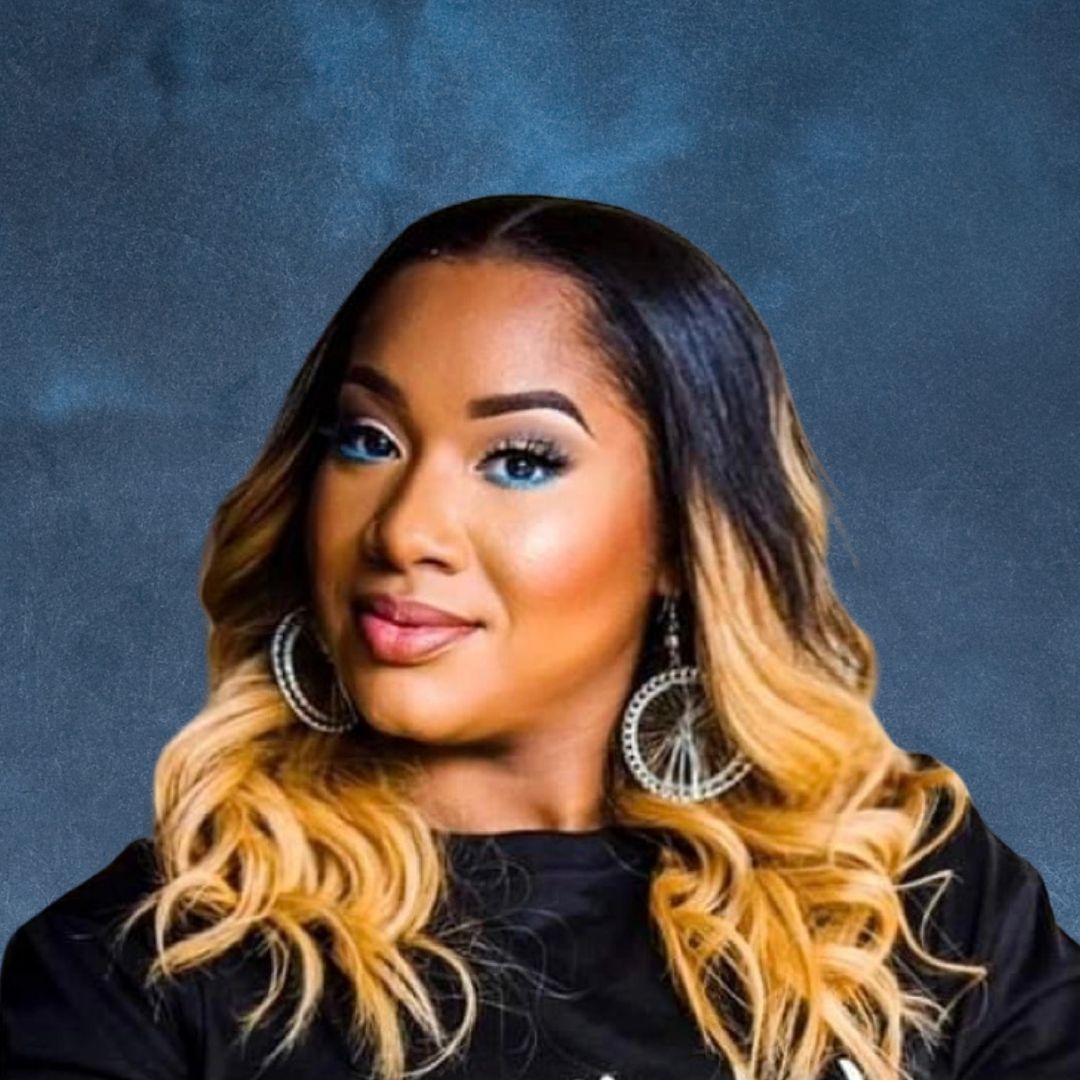
Therese Johson
Therese Johnson is passionate about breaking systemic barriers and dismantling limitations that prevent underserved communities from reaching their fullest potential. Her work centers on helping individuals overcome challenges that have kept them out of spaces where they belong. She believes that true empowerment begins with believing in your own worth. If you believe you can, you will.
Doerr Center Spotlight: Jesse Helton, Ph.D. and the Feeding Families Meal Delivery Service
Families served by child welfare agencies face a high risk of hunger, with about 70% of families in Missouri reporting very low food security. In response, Jesse Helton, Ph.D., a faculty member in the School of Social Work, launched the Feeding Families initiative with funding from the Doerr Center for Social Justice. Partnering with St. Louis Crisis Nursery, Lutheran Family and Children’s Services of Missouri, and Propel Kitchens, the program delivers nutritious, made-from-scratch meals directly to families' homes five days a week. This project reflects Saint Louis University’s Jesuit mission to promote equity, well-being, and community support.