Nephrology Fellowship
The SSM Health/Saint Louis University School of Medicine Nephrology Fellowship Program provides comprehensive training for diagnosing and treating all aspects of kidney function and disease, from general conditions to dialysis, transplantation and interventional access procedures.
A Message From the Program Director
Welcome, and thank you for your interest in the Nephrology Fellowship Program.
I still remember the day I chose nephrology — that patient encounter that inspired me and the mentor who guided me toward this field. Now, as a clinical educator and scientist, I remain deeply grateful for my decision. Nephrology is an intellectually challenging, physiologically rich, profoundly meaningful specialty. I look forward to working with the next generation of nephrologists and helping you discover your own path within this remarkable field.
Established more than 30 years ago, our program has trained more than 100 successful graduates. We recruit three to four fellows each year and have a total of seven fellows in our program. Our strengths include dedicated and accomplished faculty, a diverse patient population and broad clinical exposure ranging from critical care and interventional nephrology to in-center and home dialysis. Fellows gain experience across multiple health care systems, including SSM Health Saint Louis University Hospital and the John J. Cochran Veterans Hospital, which provide a well-rounded clinical perspective.
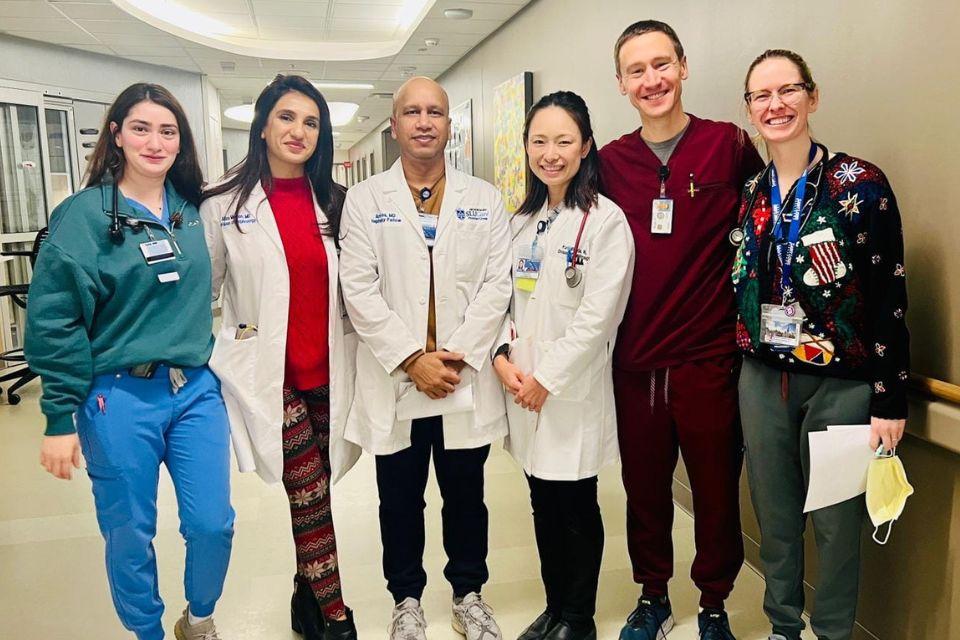
Our two-year fellowship is led by engaged, passionate and highly supportive faculty. One of the defining features of our program is the close one-on-one mentorship between attendings and fellows. Under division leadership, we've cultivated a warm, collegial and family-like atmosphere. That support and collaboration continue to shape our faculty and fellows, creating a community where trainees thrive both professionally and personally.
Our goal is to tailor your fellowship experience to your individual career aspirations. Approximately half of our graduates pursue academic careers, while the other half enter private practice. Some continue to additional subspecialty training in transplant nephrology, critical care or interventional nephrology. Many alumni report that, upon graduation, they felt exceptionally well-prepared for independent practice. It is especially rewarding to see some of our graduates remain with us as faculty, continuing the tradition of excellence and mentorship.
We are proud of our program, our people and the supportive environment we have built. We invite you to learn more about us and consider joining our "SLU Nephron" family.
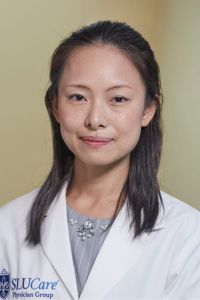
Kana Miyata, M.D.
Program director
Program Overview
The two-year, ACGME-accredited nephrology fellowship prepares physicians for careers in academic nephrology and high-level clinical practice. Fellows gain comprehensive experience across inpatient, outpatient, interventional and research settings, and they are supported by dedicated faculty and a robust educational curriculum.
Fellows rotate through diverse clinical environments, including:
- SSM Health Saint Louis University Hospital
- John J. Cochran Veterans Hospital
- Fresenius Kidney Care dialysis center
Monthly Block Schedule
- July: Consultations (SSM Health Saint Louis University Hospital)
- August: Interventional nephrology
- September: Transplant
- October: Consultations (John J. Cochran Veterans Hospital)
- November: Elective
- December: Consultations (SSM Health Saint Louis University Hospital)
- January: Dialysis
- February: Transplant
- March: Consultations (SSM Health Saint Louis University Hospital)
- April: Consultations (John J. Cochran Veterans Hospital)
- May: Dialysis
- June: Consultations (SSM Health Saint Louis University Hospital
Core Experiences
- Nephrology Boot Camp: Intensive July onboarding focused on foundational skills
- Continuity Clinic: Longitudinal exposure to CKD, glomerular disease and genetic nephrology
- Didactics and Conferences: Weekly nephrology Grand Rounds, Journal Club, case conferences and pathology sessions
- Conference Participation: Opportunities to attend and present at ASN Kidney Week, the NKF Fellows Renal Roundtable and NKF spring clinical meetings
- Spring Scholarship: QI project and research presentations in May
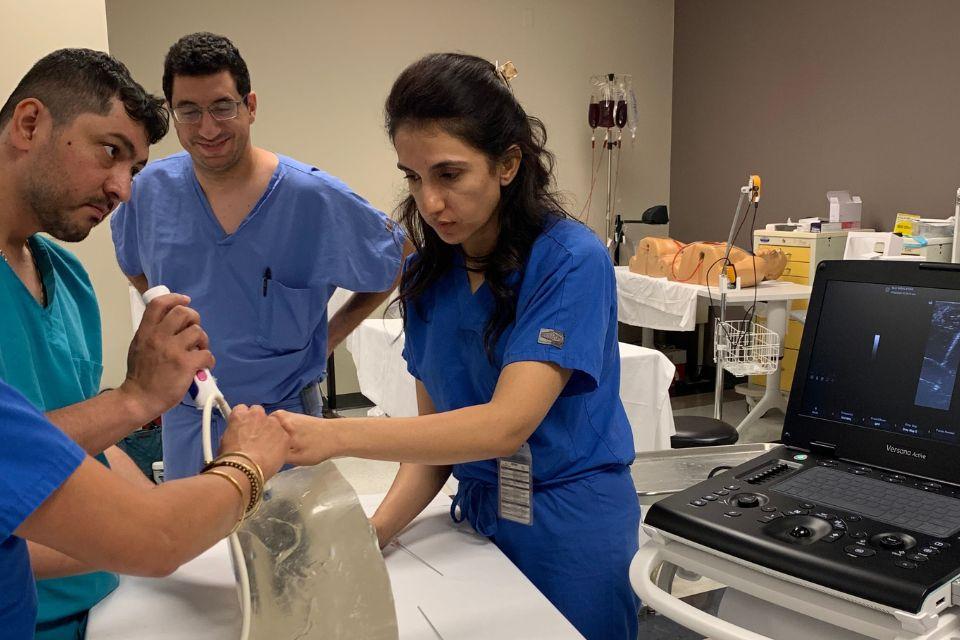
- Point-of-Care Ultrasound (POCUS) Training: Training in volume assessment using Butterfly iQ ultrasound technology
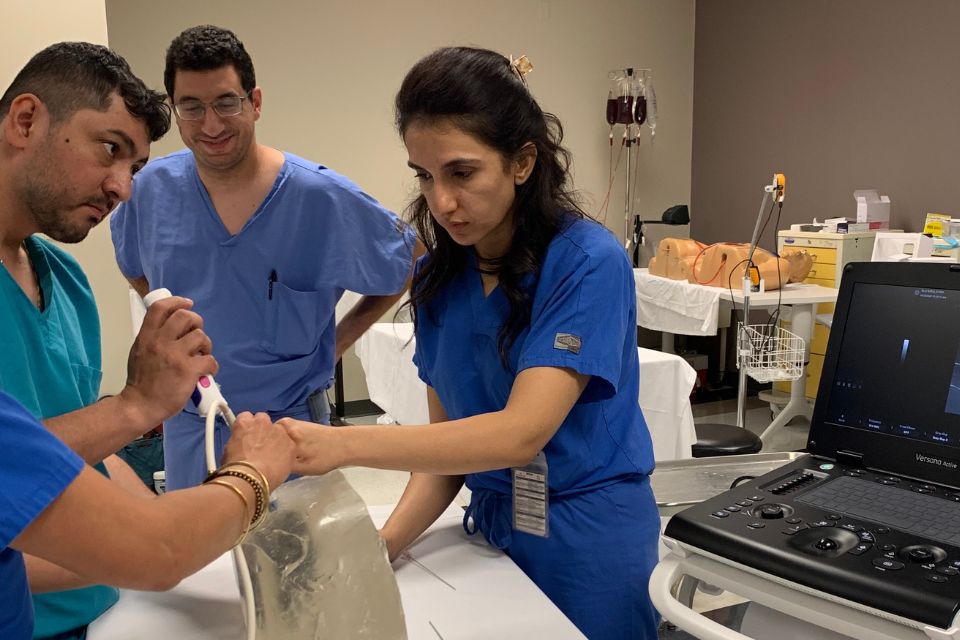
- Simulation Sessions: Practice central venous catheter placement, tunneled catheter removal and kidney biopsy techniques in a controlled environment
- Interventional Nephrology Procedures: Experience in AV fistula evaluation, angiography, endovascular interventions, tunneled catheter insertion/removal and kidney biopsy
- Regular Conferences:
- Journal Club
- Grand Rounds
- Interesting case conferences (M&M)
- Research conferences
- Quality improvement
- Renal pathology
- Joint Conferences:
- Endocrinology
- Gastroenterology
- Palliative care
- Core Curriculum Topics:
- AKI, CKD and fluid/electrolyte disorders
- Glomerular diseases, diabetic nephropathy and vascular kidney diseases
- Hypertension and pregnancy-related renal disorders
- Genetic and inherited kidney diseases
- Geriatric nephrology and physiology of the aging kidney
- Tubulointerstitial disease and urinary tract infections
- Transplant nephrology: donor evaluation, immunology, organ allocation and allograft dysfunction
- Nutritional and psychosocial aspects of kidney disease
- Dialysis: in-center hemodialysis, peritoneal dialysis, home hemodialysis, access management, complications and dialysis technology
- Pharmacology in kidney disease, including drug dosing and nephrotoxicity
- Radiologic interpretation of kidney and urinary tract disorders
- Peer-Reviewed Publications:
- Das A, Silva J, Miyata K, Edwards J, Bellorin-Font E. Rhabdomyolysis-Induced Resistant Hypercalcemia During the Recovery Phase of Acute Kidney Injury. Cureus. 2026;18(5):e108932.
- Khalid K, Miyata KN, Said M. Black Urine. Am J Med. 2026:S0002-9343(26)00176-2.
- Afsar B, Afsar RE, Maddukuri G, Lentine KL. Acute kidney injury: Is it a risk factor for long-term cognitive decline. Am J Med Sci. 2026 Jun;371(6):497-503.
- Afsar B, Afsar RE, Bastani B, Rub FAA, Caliskan Y, Lentine KL. Sodium Intake Estimation in Chronic Kidney Disease: From Measurement Methods to Clinical Outcomes. Turkish J Nephrol. 2025;34(3):160-168.
- National Presentations:
- Afsar RE, et al. Patient-Reported Concerns and Worrying About Kidney Conditions and APOL1 High-Risk Genotypes: A Midwestern US Cohort Study of Black Americans. Presented at ASN Kidney Week 2025.
- Khalid K, et al. An Intriguing Case of Arteriovenous Fistula Mass. Presented at ASN Kidney Week 2025.
- Das A, et al. An Unusual Case of AKI in a Kidney Allograft. Presented at ASN Kidney Week 2025.
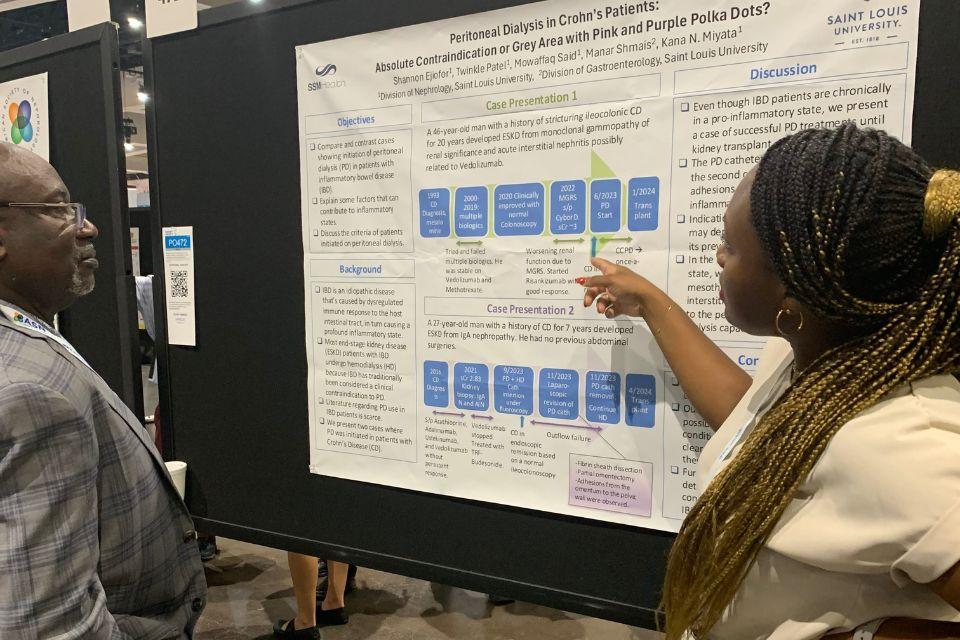
- Ejiofor S, et al. Peritoneal Dialysis in Crohn’s Patients: Absolute Contraindication or Grey Area with Pink and Purple Polka Dots? Presented at ASN Kidney Week 2024.
Program Highlights
- Supportive Environment: Close-knit training culture with strong faculty engagement
- Patient Diversity: Broad clinical exposure across academic, VA and community settings
- Exceptional Clinical Exposure
- Active liver and kidney transplant programs
- Interventional nephrology and POCUS training
- Comprehensive experience in hemodialysis and peritoneal dialysis
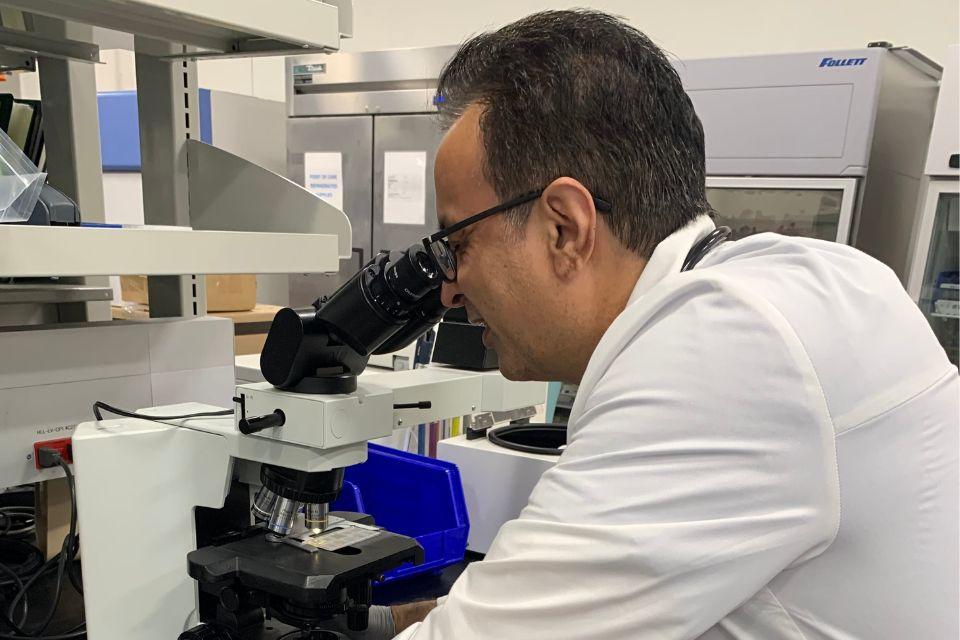
- Dedicated renal pathology teaching
- Flexible Learning and Electives
- Elective rotations in palliative care, critical care, ultrasound, renal pathology and research
- Opportunities for teaching, mentorship and leadership development
- Scholarly and Career Development
- Strong support for case reports, QI projects and presentations at national meetings
- Guidance for career planning in academic, transplant, private or interventional practice
- Wellness and Work-Life Balance: A culture that values wellness, collegiality and sustainable training
Life as a Nephrology Fellow
Apply
The program has three available positions each year. Virtual interviews take place from mid-August through late October.
The program participates in the Electronic Residency Application Service (ERAS) and the National Residency Matching Program (NRMP).
For an overview of the broader application timeline, review the School of Medicine's GME ERAS and Match Roadmap.
About the SSM Health/Saint Louis University School of Medicine Graduate Medical Education Program
SSM Health proudly sponsors the Graduate Medical Education Program at Saint Louis University School of Medicine. This university-based training program offers a world-class academic environment that fosters clinical excellence, research innovation and compassionate care. All program participants are employed by SSM Health, ensuring a cohesive and supportive experience within a nationally recognized health system.