Vascular Surgery Fellowship
The SSM Health/Saint Louis University School of Medicine Vascular Surgery Fellowship Program offers comprehensive training and high-volume clinical experience in both open and endovascular procedures.
A Message From the Program Director
As one of the oldest vascular training programs in the Midwest, we have trained vascular surgery fellows since the 1980s and began training integrated vascular surgery residents in 2015. It is impossible to discuss the fellowship without discussing the integrated residency, given the shared facilities and didactic schedule.
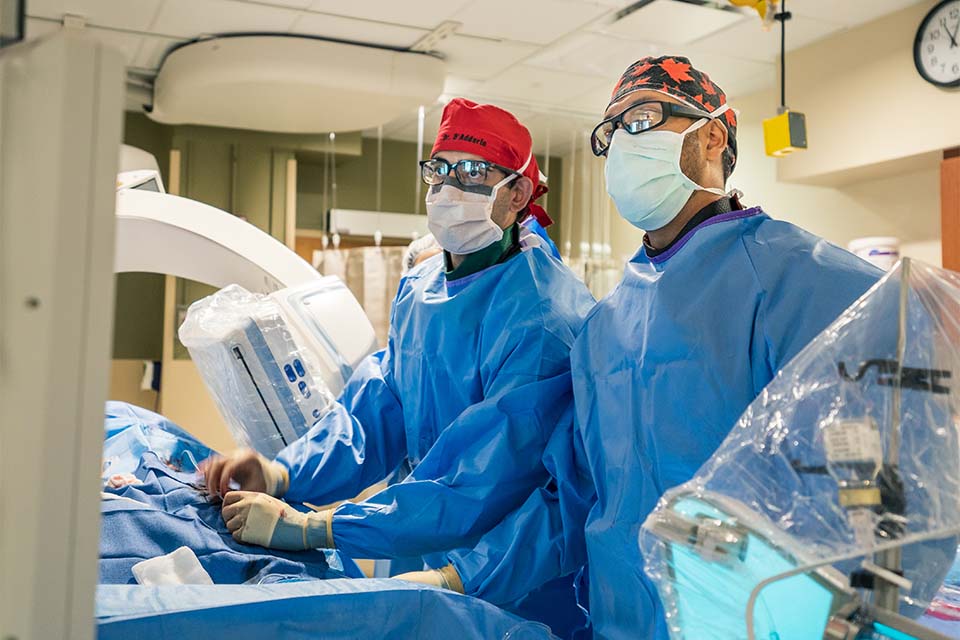
Both vascular surgery fellows and residents rotate between a busy tertiary referral hospital with both adult and pediatric campuses, and a busy private hospital. They work with eight vascular surgeons and manage the breadth of vascular disease and pathology. Both facilities are Level I trauma centers with complex cardiac capabilities and hybrid operating rooms. In addition, through our SSM Health network, there are rotations through two additional community hospitals. Integrated residents also rotate through core general surgery rotations, including experiences with solid organ transplantation and critical care. Rotations at the St. Louis Veterans Affairs Hospital provide an additional opportunity to manage complex patients. These exposures give our trainees opportunities to experience all types of vascular practices and allow them to identify areas of interest and the type of career they wish to pursue. Our graduates have been successful in both private and academic practices.
I’m frequently asked what I’m most proud of in these remarkable programs, and my answer is always the same: the people and their relationships with one another. These relationships and this division’s dedication to serve our patients inspire me daily. I’m also asked what I think the major advantage is for training at SSM Health/Saint Louis University School of Medicine. I call this advantage being “just right.” We are a right-sized program where every trainee gains a tremendous open and operative experience. This right size also makes us more agile and able to incorporate trainees’ new ideas into our curriculum and daily operations in real time. We are also just the right age. As someone contemplating applying to our program, you can feel confident in our commitment as shown by our history of success in training physicians in the field of vascular surgery. And, at the same time, you can see that we are still young enough to incorporate innovative technologies into daily practice
We also have a secret weapon in our training: our program coordinator! With a master’s education, Ashley Ayash brings a level of organization and knowledge of teaching methods that has changed our approach to didactic education at the highest level. Every trainee’s learning experience has been improved — AND she’s a great resource for all things St Louis. Please look at our website for more information on our program, our faculty, midlevel providers, staff and the types of vascular disease we treat.
I look forward to meeting you!
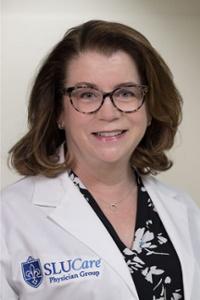
Catherine M. Wittgen, M.D.
Program director
Program Overview
The two year, ACGME-accredited vascular surgery fellowship provides extensive clinical experiences in both high volume academic and private practice environments. Open as well as endovascular procedures are performed daily with ample opportunities for office-based procedures.
Fellows train at the following sites:
- SSM Health Saint Louis University Hospital
- SSM Health St. Mary’s Hospital–St. Louis
- SSM Health St. Clare Hospital–Fenton
- Mercy Hospital St. Louis
Assessment of knowledge base and surgical skill begins on the first day with a goal of developing autonomy as soon as the trainee demonstrates competence. Fellows are trained in long-term follow-up and management of chronic vascular disease through scheduled clinics. They develop assessment skills for urgent and emergent interventional needs through consultations and participate in pre-operative procedure planning and post-procedure management for both open and endovascular procedures. Weekly vascular conferences provide ample opportunity to review and teach core vascular topics and master the ability to interpret vascular imaging including CTA, MRI, angiography and non-invasive vascular laboratory examinations. Real-time evaluation with procedural debriefing and completion of FIREFLY™ evaluations provides easy-to-access data for both faculty and trainee review. Morbidity and mortality conferences as well as combined conferences with general surgery to discuss core common program requirements complete the didactic schedule. Opportunities to engage in ongoing research are available from the first day as the division has a well-established research group.
- Open vascular surgery
- Endovascular surgery
- Office-based vascular procedures
- Acute care surgery
- Trauma surgery
- Transplantation
- Critical care surgery
- Vascular laboratory
- General surgery
- Cardiac surgery/cardiology
- Interventional nephrology
- August: SSM Health Saint Louis University Hospital
- September-October: Mercy Hospital St. Louis
- November: Vascular laboratory
- December: SSM Health Saint Louis University Hospital
- January: Mercy Hospital St. Louis
- February: SSM Health Saint Louis University Hospital
- March-April: Mercy Hospital St. Louis
- May: SSM Health Saint Louis University Hospital
- June: Mercy Hospital St. Louis
- July: SSM Health Saint Louis University Hospital
- August: SSM Health Saint Louis University Hospital
- September-October: Mercy Hospital St. Louis
- November-December: SSM Health Saint Louis University Hospital
- January-February: Mercy Hospital St. Louis
- March-April: SSM Health Saint Louis University Hospital
- May: Mercy Hospital St. Louis
- June: SSM Health Saint Louis University Hospital
- July: Mercy Hospital St. Louis
- Daily (7 a.m. via Zoom):
- Patient care updates
- Procedure discussions of daily plans
- Weekly (7-9 a.m. Wednesdays):
- "How I do it" discussions
- Rutherford chapter review
- Root cause analysis
- Quality improvement
- Novel technology demonstrations from industry
- Weekly (4-5 p.m. Wednesdays):
- Case conferences
- M&M
- Indications
- Vascular lab review
- Visiting professor lectures
- Monthly dinners
- Board review questions
- Journal article review
- Scientific American Vascular and Endovascular Surgery (SAVESS)
- VESAP
- VSCORE
- Simulation laboratory
- Industry-sponsored simulation events
- Advanced Vascular Surgery Surgical Skills and SImulation Program (APVSSS)
- Advanced Practice Exposure in Vascular Surgery (APEX)
- Faculty Leadership: involved in clinical trials, educational research and clinical research
- Submission Expectations: required minimum of one annual submission of research/case report to regional or national meetings, or journal
- Funded Travel: division-funded travel to any meeting where research has been accepted for presentation
- Recent Presentations:
- Vascular and endovascular surgery meeting
- American College of Surgeons annual meeting
- Midwestern Vascular Surgery Society annual meeting
- Society for Vascular Surgery annual meeting
- Strandness Symposium
- St. Louis Vascular Symposium
Program Highlights
- Surgical and endovascular volumes well above national mean
- Higher than national average open aortic cases
- Required number vascular laboratory examinations completed for RPVI certification completed by end of first year
- Comprehensive training at both academic and private hospitals
- 24/7 OR and IR availability
- 24/7 midlevel provider, critical care, hospitalist and specialist support at both institutions
Current Fellows
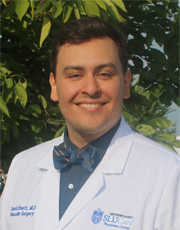
David Ebertz, M.D.
Chief fellow
Hometown: Phoenix, Arizona
Medical school: Washington University School of Medicine
Undergraduate school: University of Arizona
David Ebertz completed his general surgery training at Case Western University in Cleveland, Ohio. Throughout his time there, his interests in research, medical education and things such as theater and board games flourished. He and his wife, Natalie, are proud cat parents. Both of them have a strong love for animals, the outdoors and music. If you can't find Ebertz at the hospital, there's a good chance he's at Muny in Forest Park or another local theater production.
Ebertz loves the creativity and planning that vascular surgery has to offer. He often finds himself applying similar creative skills and strategies that he has honed during his dynamic experience with musical productions.
And yes, he loves bowties and has claimed the online title, @TheBowTieSurgeon.
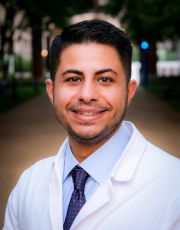
Fawwaz Almajali, M.D.
Hometown: Amman, Jordan
Medical school: Hashemite University
Fawwaz Almajali is originally from Jordan. He earned his medical degree there before completing his general surgery residency at Saint Louis University School of Medicine. He then chose to stay at SLU SOM and continue his training in vascular surgery.
Over the years, Almajali has built strong relationships with his colleagues and patients, and he's found a supportive, collaborative environment that made staying a natural decision. In addition to his clinical training, he has a deep passion for teaching and enjoys mentoring medical students.
Apply
The program has one available fellowship position per year and is available to trainees who have successfully completed a general surgery residency.
Requirements
- Three letters of recommendations from American Board of Surgery-certified surgeons who are familiar with your work
- Dean’s letter (submitted by medical schools)
- Official medical or osteopathic school diploma and transcripts
- USMLE
- ABSITE
The program participates in the Electronic Residency Application Service (ERAS) and the National Residency Matching Program (NRMP), utilizing Thalamus to assist with data management.
Review the Application Process
All applicants are reviewed holistically. Candidates will be contacted by email to select an interview date.
About the SSM Health/Saint Louis University School of Medicine Graduate Medical Education Program
SSM Health proudly sponsors the Graduate Medical Education Program at Saint Louis University School of Medicine. This university-based training program offers a world-class academic environment that fosters clinical excellence, research innovation and compassionate care. All program participants are employed by SSM Health, ensuring a cohesive and supportive experience within a nationally recognized health system.