Department of Surgery
Saint Louis University School of Medicine's Department of Surgery is renowned for its innovative research, robust surgical programs and pioneering history in cardiac surgery, including performing the first heart transplant west of the Mississippi.
A Message From the Chair
Ad majorem dei gloriam. This is the Latin motto for the Society of Jesus, the Catholic order of priests (commonly identified as Jesuits) that founded SLU in 1818. It translates to “for the greater glory of God” and it is the guiding principle behind all the activities in the University, including the Department of Surgery. We uphold it by focusing on our primary goal to serve the medical needs of our patients, including and especially those who are socially and economically disadvantaged.
Founded in 1837, our department has a rich and storied history; it’s large enough to provide comprehensive care yet small enough to maintain a sense of family and community. We have 11 divisions, a departmental lab and a Surgical Research Institute. We also work closely with the Center for Anatomical Science and Education.
Additionally, we offer 10 accredited graduate medical education programs with in-depth clinical experiences that optimize surgical training. Faculty deliver high-quality clinical care, ensure outstanding education and work to expand our scientific understanding of surgical care, all of which prepare trainees for independent practice, top fellowship programs and positions in academic and community settings.
Welcome, and thank you for your interest in our work!
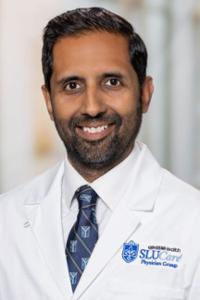
Sameer A. Siddiqui, M.D.
Chair, Department of Surgery
C. Rollins Hanlon Endowed Chair of Surgery
Surgical Graduate Medical Education
The Department of Surgery offers six residency programs and four fellowship programs within its 11 subspecialty divisions.
Residencies
- Emergency medicine
- General surgery
- Neurological surgery
- Plastic and reconstructive surgery
- Urologic surgery
- Vascular surgery integrated
Fellowships
Affiliated Centers
The Center for Anatomical Science and Education (CASE) prepares students for careers in medical teaching, research and professional health care.
Practical Anatomy and Surgical Education (PACE) is a division within CASE that offers hands-on surgical training and resources.
The Theodore S. Cooper Surgical Research Institute is equipped with specialized labs and operating rooms to support a wide range of research.