Past Exhibitions
Browse the chronological list of past exhibitions at the Saint Louis University Museum of Contemporary Art (MOCRA), or search for a specific exhibition. Click “View” for more information about an exhibition. If you need further information about an exhibition, please contact us.
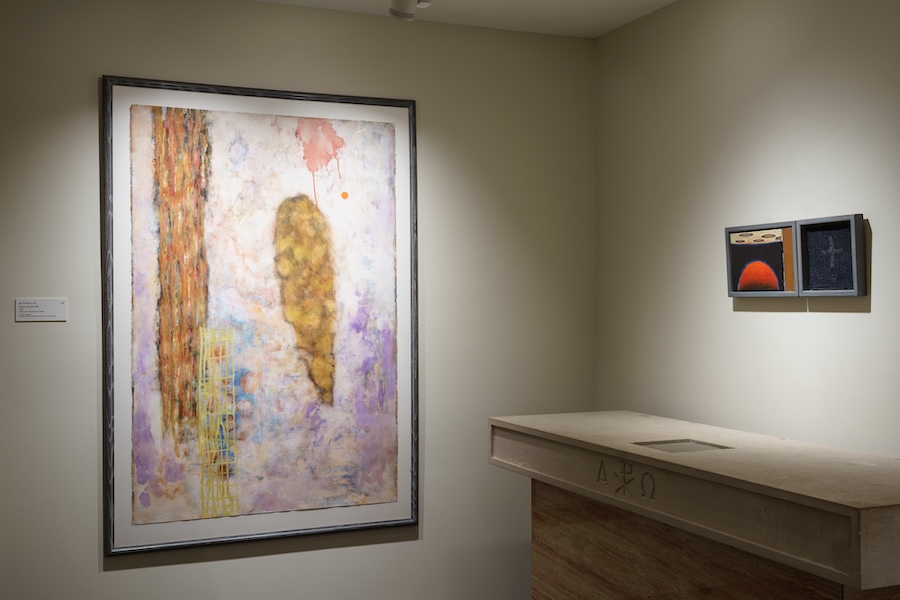
Legacy: Selections from the Gerald R. and Mary Reid Brunstrom Gift of Art from Australia
September 05, 2025 to December 14, 2025
From 1988 to 2000, St. Louis art lovers frequented Austral Gallery in the Lafayette Square neighborhood. Guided by the vision of founder Mary Reid Brunstrom with the unwavering support of her late husband Jerry, Austral Gallery brought some of the most significant Australian voices in contemporary art to St. Louis. The gallery contributed to a growing awareness in North America of contemporary Australian art, especially Aboriginal art. The combination of gracious hospitality and Mary's deeply informed conviction resulted in artworks from the gallery finding a home in many St. Louis collections.
MOCRA Founding Director Terrence Dempsey, S.J., was a frequent visitor to the gallery. The friendship that grew between Dempsey and the Brunstroms led to Mary's significant role in realizing two early MOCRA exhibitions. The first, Ian Friend: The Edge of Belief – Paintings, Sculpture, and Works on Paper, 1980–1994 was presented in 1995. Its centerpiece was the five-painting The Protestant Affliction, a meditation on Hans Holbein's noted painting The Dead Christ in the Tomb. This series was donated to MOCRA in 2007 as a joint gift of the artist and the Brunstroms.
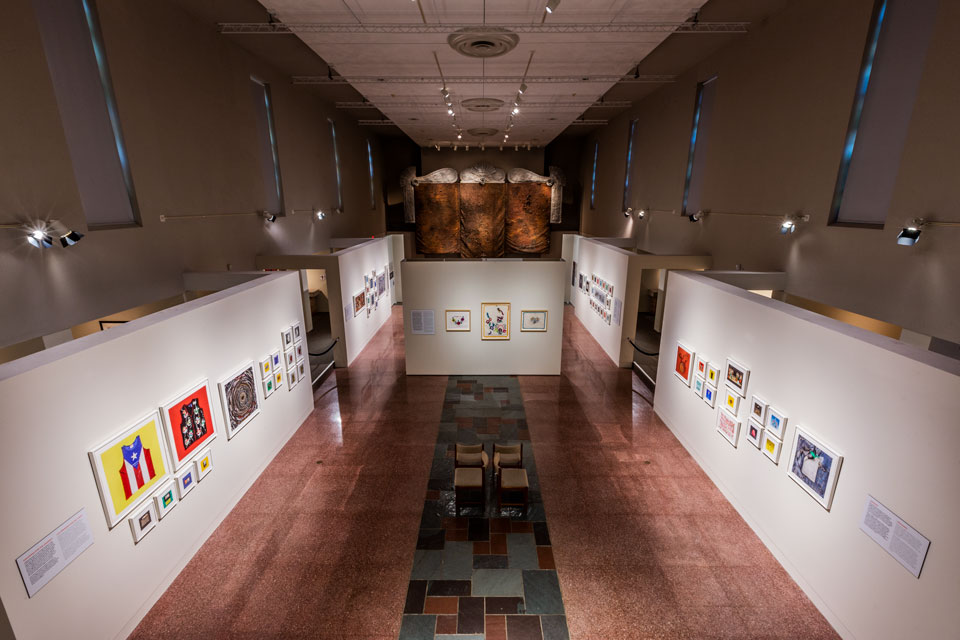
Utopia Body Paint Collection and Australian Aboriginal Art from St. Louis Collections followed in 1997. This dazzling exhibition featured over 70 shield-shaped paintings by artists from the Utopia community in the central Australian desert, along with additional Aboriginal works borrowed from local collectors. Australian Ambassador Andrew Peacock offered remarks at the opening reception.
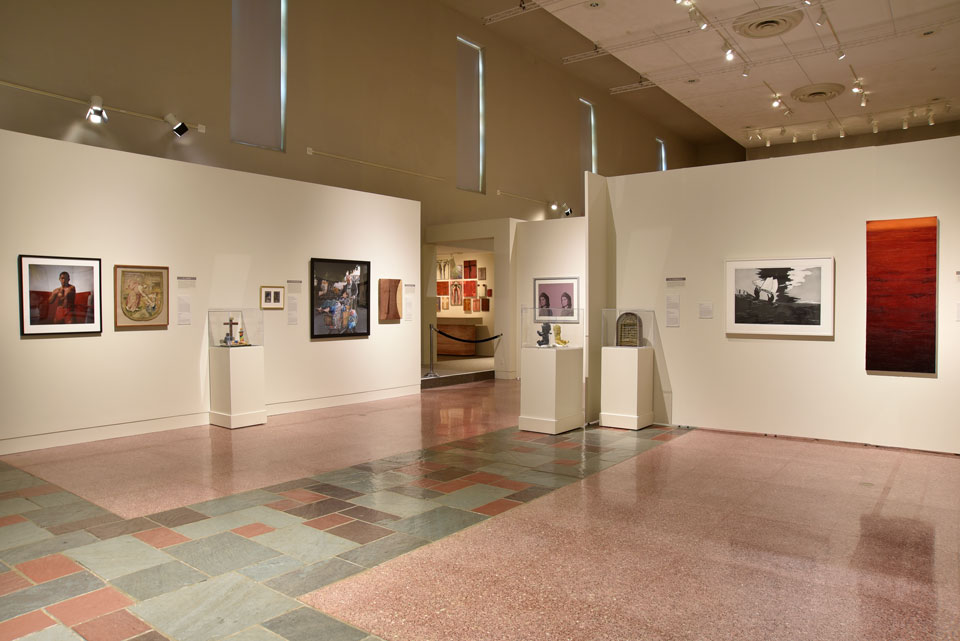
Mary and Jerry Brunstrom continued to offer encouragement and counsel to MOCRA in subsequent years. In 2024, Mary donated a major body of works by both Aboriginal and non-Indigenous Australian artists to MOCRA and the Saint Louis University Museum of Art, greatly enhancing both museums’ collections. With Legacy, MOCRA is pleased to present a selection of works from this gift. In doing so, we honor over three decades of collegiality and friendship and celebrate the essential contributions of Jerry and Mary Brunstrom to the development of MOCRA and to the cultural fabric of St. Louis.
About the Artists
Robyn Daw
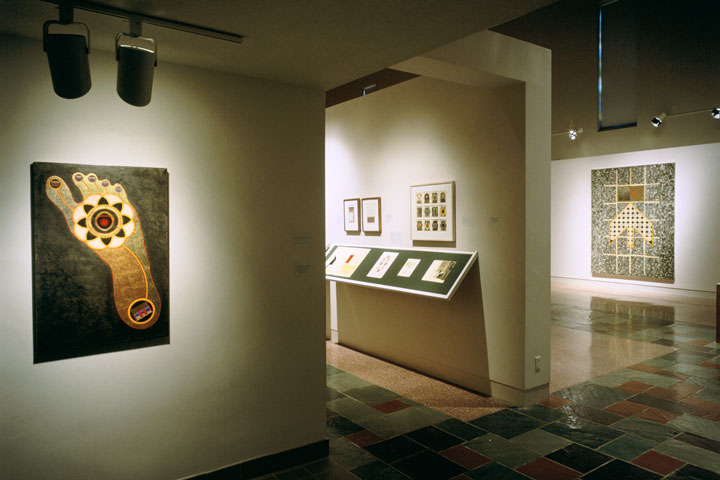
Connecting people and art was the through line of Robyn Daw’s (1958–2022) multifaceted career as artist, curator, writer, educator and arts administrator. Though she was adept in various media, including drawing, painting, printmaking and sculpture, textiles were the heart of Daw’s artistic practice. In the late 1980s she worked as a weaver at the Australian Tapestry Workshop in Melbourne, an international center of contemporary tapestry, where Daw and her colleagues collaborated with international and Australian artists to realize exceptional handwoven works of art. Fellow artist Pat Hoffie notes that Daw’s tapestry works are “evidence of the artist’s love of process, of repetition, of quietness, of reduction, of elegant understatement.”
With sharp wit, Daw questioned the positioning of textile art as a “craft” secondary to “fine art” media such as painting. To that end, she helped organize exhibitions such as Tapestry with Attitude, presented at Austral Gallery in 1994. The present work, Mars/Target, is itself a gentle provocation that juxtaposes tapestry with painting and an allusion to sculpture.
Daw had a lifelong interest in science and the natural world. Following the launch of the Hubble Space Telescope in 1990, she produced a number of works featuring heavenly bodies and the search for distant galaxies. Mars/Target dates from this period.
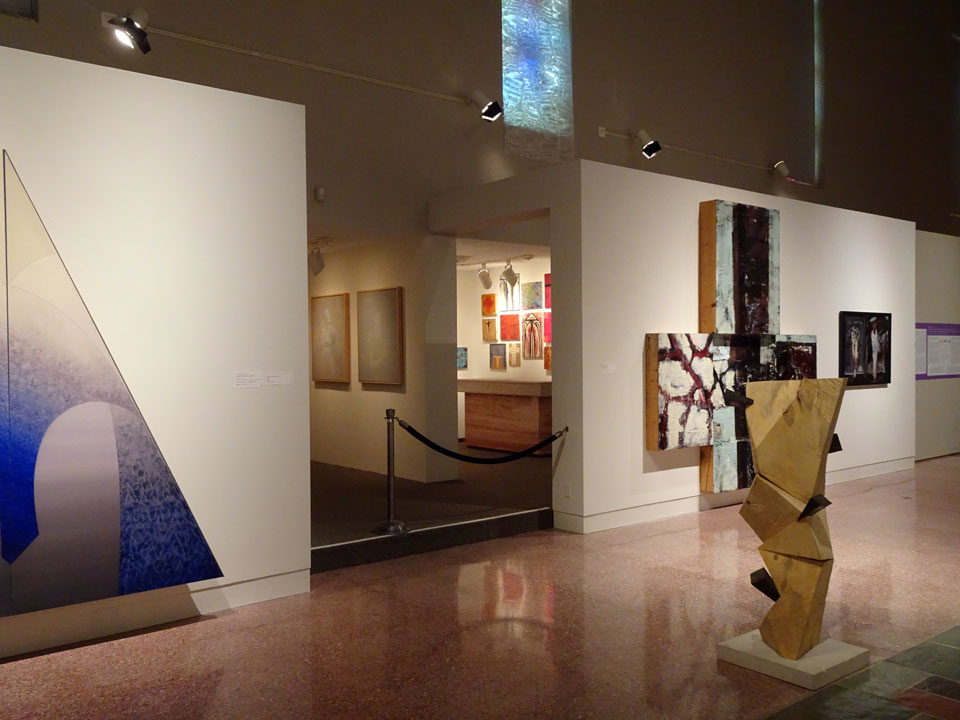
The work is structured in multilayered, playful juxtapositions, beginning with the materials: the “fine arts” of oil on canvas and (sculptural) copper, are both segregated from and united to the “craft” of tapestry by the grey wooden frame. The Red Planet rises in the lower half of the painting as one of its moons descends into view from the upper portion. Intense reds and blues in the painting contrast with the subtly varied greys and charcoals of the tapestry. Flowing circles and ellipses in the painting dialogue with the lines of the cross that emerges from the gridded warp and weft of the tapestry. The deep black of space in the painting is echoed in the textured, organic ground of the textile. The copper band serves as both divider and connector, a relatively impersonal metal taken from the earth juxtaposed with the labor-intensive work of painting and weaving.
Daw’s untimely death in 2022 was a source of loss and grief to her loved ones and friends as well as to the wider artistic community. Lux Aeterna, a 2023 exhibition at Jan Manton Gallery in Brisbane, brought Daw’s work together for the first time with that of her longtime partner, Ian Friend. We are honored to present their work side-by-side here at MOCRA.
Ian Friend
Raised in England in rural East Sussex, Ian Friend (b. 1951) left his role as assistant curator of prints at London’s Tate Gallery in 1985 to relocate to Melbourne, Australia, to teach at the Victorian College of the Arts. The striking transition to the wide expanses of Australia became a key driver in the development of his work as he explored his new surroundings.
Spanning sculpture, painting, printmaking and drawing, Friend’s work is marked by a deep understanding of his materials and often exacting, time-intensive methods. He is rigorously committed to process yet open to the unexpected, frequently working in sequences or series that evolve over the course of years. At times, his work responds to the written word in poetry or philosophy, but at others, it arises from immediate sensations and lasting memories of his encounters with specific places.
For instance, Friend notes that the Heart of Exile series originated in “specific perceptions” and “emphatic responses” in an area called Koongarra, now part of Kakadu National Park in the Northern Territory of Australia, which is home to many examples of Aboriginal rock art spanning at least 25,000 years.
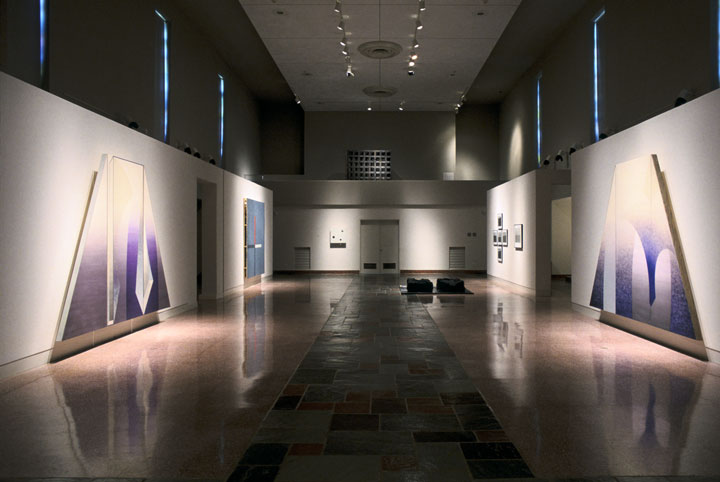
Friend employs watercolor’s “possibilities of translucent layering and staining to achieve some degree of correspondence to the original impetus for the works — a specific rock face.” The multiple layers of paint evoke the erosion and abrasion of the rock surface by both the harsh climate and human mark-making. Scale and depth in this painting are ambiguous; the eye may zoom back and forth from a vertiginous overview to focus on a small detail. Poet Laurie Duggan notes, “In Ian Friend’s work we are aware of ambiguous space and many levels of focus.”
Friend has disclosed that the title, Heart of Exile, relates to his “voluntary exile” from the United Kingdom. The tapered form in this work, which recurs throughout the series, “stands for a metaphorical heart/self-portrait, placed in a series of different situations, sometimes, but not always, relating to specific experiences.”
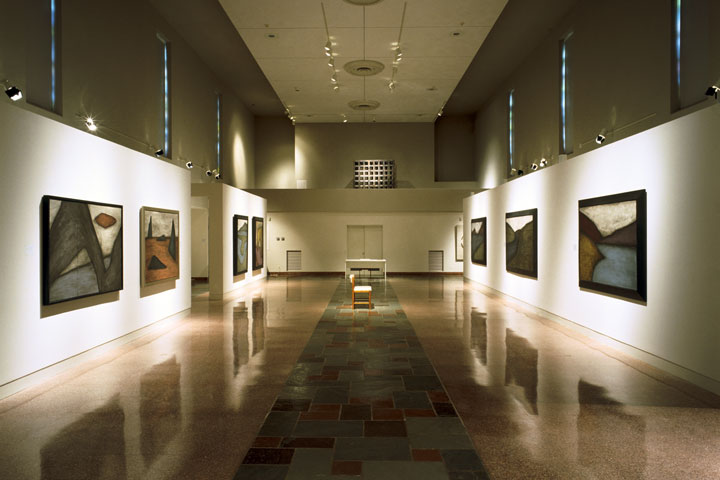
Friend has a long association with MOCRA, dating to his 1995 solo exhibition, Ian Friend: The Edge of Belief – Paintings, Sculpture, and Works on Paper, 1980–1994. That exhibition, curated by MOCRA’s founding director, Terrence Dempsey, S.J., was organized and facilitated by Mary Brunstrom, who represented Friend’s work at Austral Gallery. One of the paintings from the exhibition centerpiece, The Protestant Affliction, is on display in a side chapel on the opposite side of the museum.
Karen Papacek
Originally from Brisbane, Australia, Karen Papacek (b. 1957) moved to Europe in 1990, first to Barcelona, then later to Paris and ultimately Normandy, France, where she now resides. She has exhibited internationally in Australia, Europe, and the United States, with notable ties to St. Louis via Mary Reid Brunstrom and Austral Gallery.
Beginning with Papacek’s 1993 installation Safe House, which covered the Austral Gallery walls from floor to ceiling with 941 individual works encompassing drawing and text, she has continued to explore the activation of space with large-scale installations and public sculptures. In 1997, in collaboration with Roseann Weiss and the New Art in the Neighborhood Program of the Contemporary Art Museum St. Louis (then Forum for Contemporary Art), Papacek led the participating youth in executing a design for a Bi-State bus shelter near the Saint Louis University campus at Lindell and Grand boulevards. The “Drawing Installation Project,” a 2005 collaboration with Janice Brunstrom-Hernandez, M.D., of the Cerebral Palsy Center at St. Louis Children’s Hospital and numerous volunteers, became a model for the creation of a collective narrative while maintaining the integrity of the voices of individual participants.
Papacek’s creative process concentrates on drawing, painting, sculpture and artist books, often in series or installation form. Describing herself as “fundamentally a figurative symbolist,” since the late 1980s, Papacek’s focus has been on environmental issues.
This focus is apparent in the Primal Landscapes on display. Executed in subtle ink washes on parallel bands of paper, the figure-free expanses draw attention to the silhouette and contours of the land, pristine vistas untouched by human contact. The separation of the papers lends a jolt of unreality or dissonance. At a cursory glance, the lower band reads like a reflection seen in a placid mountain lake, but upon closer examination, we realize it is an imperfect reflection, or perhaps another reality altogether.
Papacek made a series of small sculptures from materials gathered during an artist residency in Cadaqués, a historic fishing village on northeast Spain’s Costa Brava that has been frequented by artists including Salvador Dalí, Pablo Picasso, Joan Miró and Marcel Duchamp. Mary Reid Brunstrom describes these delicate works with their carefully balanced and delightful juxtapositions as “almost balletic.” Brunstrom suggests that through them Papacek is in dialogue with the history of sculpture — the Winged Victory of Samothrace, Picasso’s bulls, or Jean Arp’s rearrangeable assemblages. “So much meaning can be carried in a small, fragile object,” says Brunstrom, “a refinement that can be difficult to reconcile with the roughness of the materials.”
Jörg Schmeisser
Jörg Schmeisser (1942–2012) is considered one of the foremost printmakers of his generation. Incredible technical proficiency — demonstrated by the work’s level of detail, variety of tonality, and subtlety of color — combines a dreamlike layering and interweaving of imagery to produce what Mary Reid Brunstrom describes as a culmination of “technique, artistry, and vision.”
The German-born Schmeisser’s extensive travels through Europe, Asia and Australia were persistent influences in his work. In 1965, he joined an excavation team from the University of Missouri to record artifacts at a dig site in Israel. The technical skills he developed in documenting artifacts, sites, and architecture in detailed drawings are evident throughout his artistic output, but as curator Eric Denker notes, “Schmeisser’s respect for the achievements of the past is an essential component of his art.”
Alongside his appreciation for cultural artifacts, Schmeisser was a keen observer of the natural world. Expansive new vistas opened for him when he moved to Australia in 1978 to become head of the Printmaking Workshop at Canberra School of Art. Peter Haynes writes that for Schmeisser, “landscape is as much about place as it is about memory, is as much about the geographic as it is about the cultural, and is ultimately mostly about the complex overlaying of all of these things, and the consequent impact of this on the individual.”
The artwork title, Here and Now, Echoes of the Distant Past, aptly summarizes the major trajectories in Schmeisser’s art. The densely layered imagery includes fragments of ancient sculptures of deities and mythological creatures, geometric patterns from Asia and the Middle East and elsewhere, reflecting his interest in archeology and appreciation for human material culture. At the same time, the presence of flora and fauna and natural landscape suggest his commitment to recording fully and objectively not just the surface but the essence of place and object.
Lord Howe Island is part of an island group located about 300 miles off the southeastern coast of Australia. Schmeisser’s print, like the island itself, is dominated by two volcanic mountains. The abundance of flora and fauna depicted signals that Lord Howe Island is primarily untouched forest and home to an abundance of plants and animals, many of them found nowhere else in the world. We might imagine Schmeisser recording from some vantage point both the broad vistas and the minutiae of life and detritus on the storm-tossed shore.
Art critic Alice Thorson compares Schmeisser’s art to the Renaissance-era Kunstkabinett or Wunderkammer — a “cabinet of curiosities” that brings together multifarious objects from the natural world with human-made artifacts. While some collectors sought to decipher the order of the universe through these objects, others displayed their collections in an intuitive fashion that was, in Thorson’s words, “a tribute to the wonder and mystery of all facets of existence.” Schmeisser’s prints represent an alchemy of both impulses, faithfully documenting his observations while allowing himself the joy of surprise and discovery in each juxtaposition.
above:
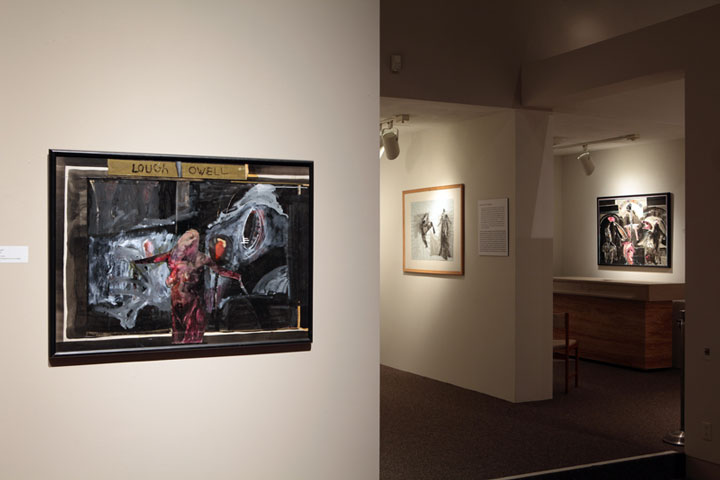
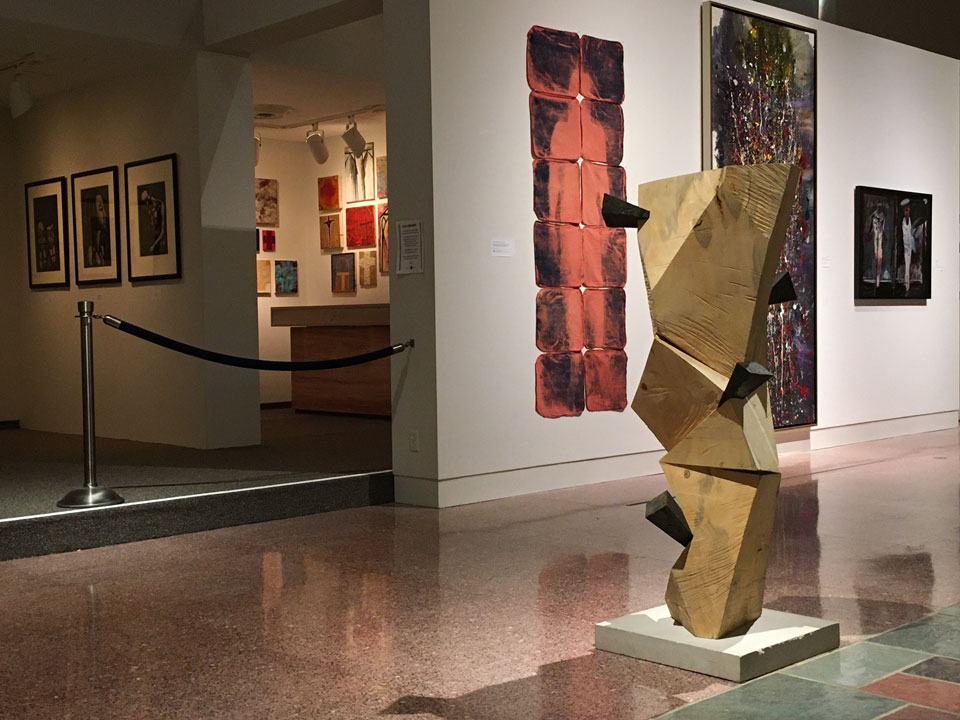
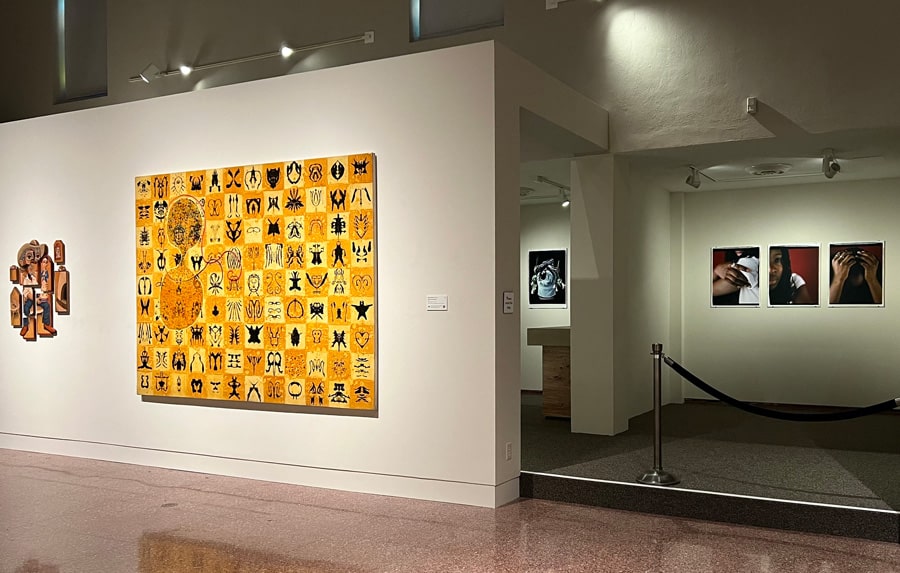
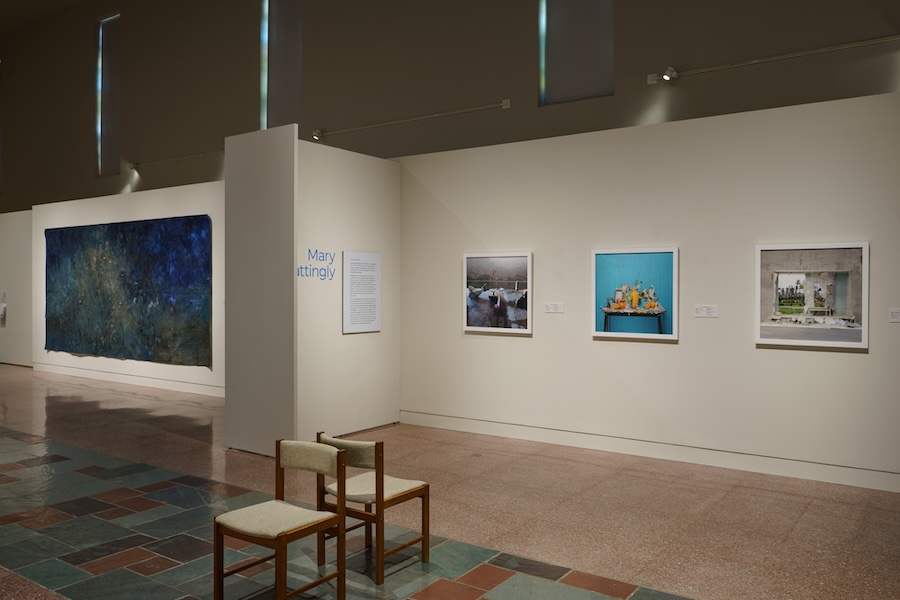
Installation view, Legacy: Selections from the Gerald R. and Mary Reid Brunstrom Gift of Art from Australia, 2025. Featured are works by, from left, Ian Friend and Robyn Daw. Photo: Kevin Lowder.
Related programming
| Exhibition |
|---|
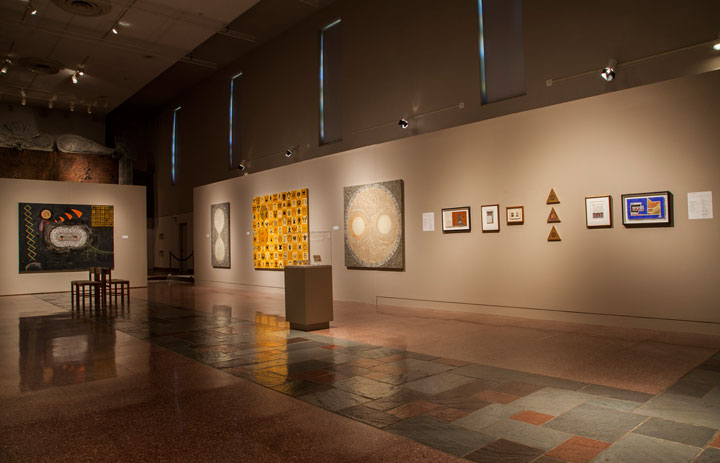
Bernard Maisner: The Hourglass and the Spiral |
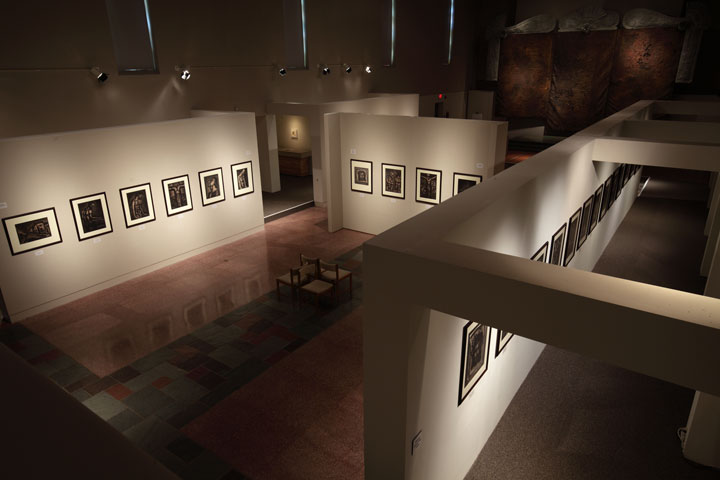
Georges Rouault: Miserere et Guerre |
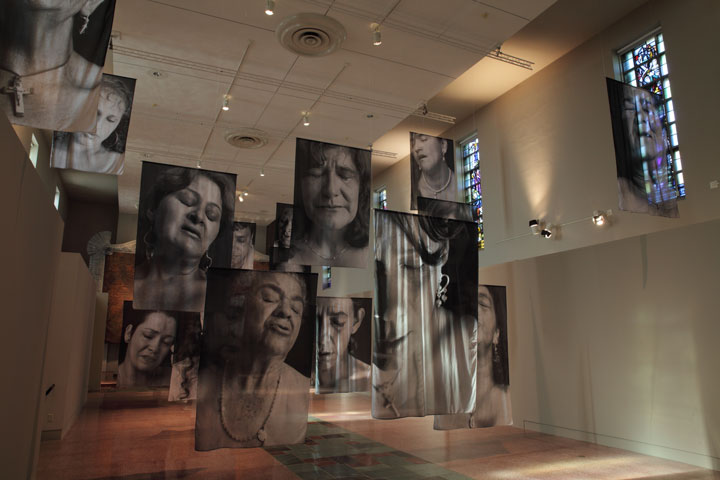
Erika Diettes: Sudarios |
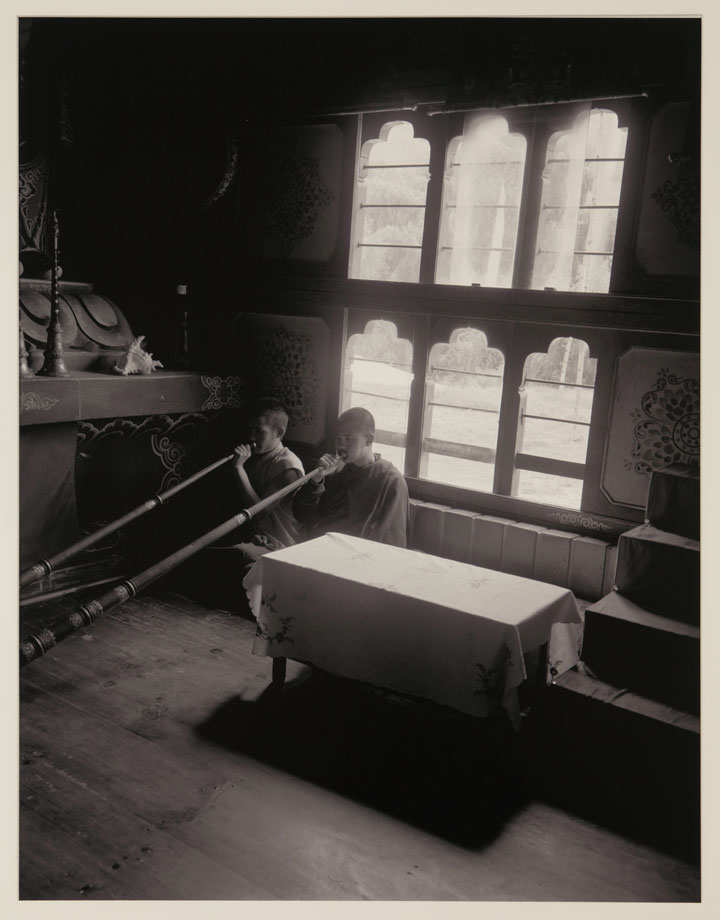
Regina DeLuise: Vast Bhutan – Images from the Phenomenal World |
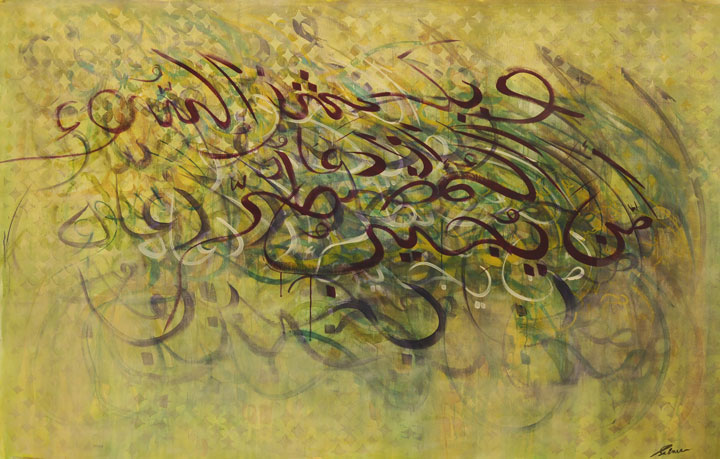
Painting Prayers: The Calligraphic Art of Salma Arastu |
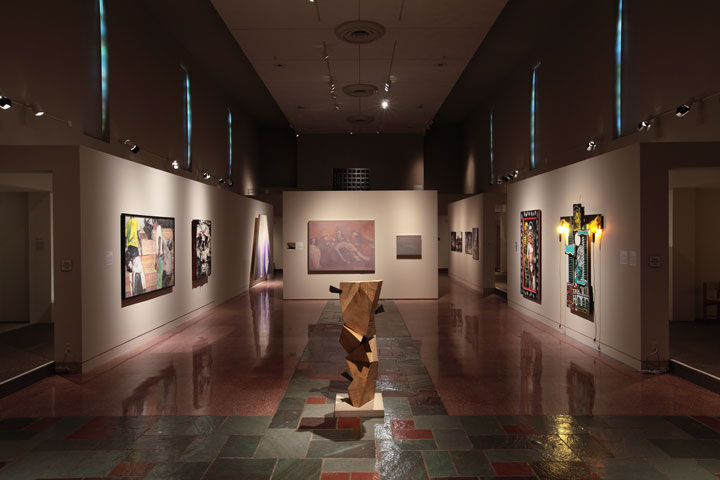
Thresholds: MOCRA at 20 – Part Two, The Second Decade |
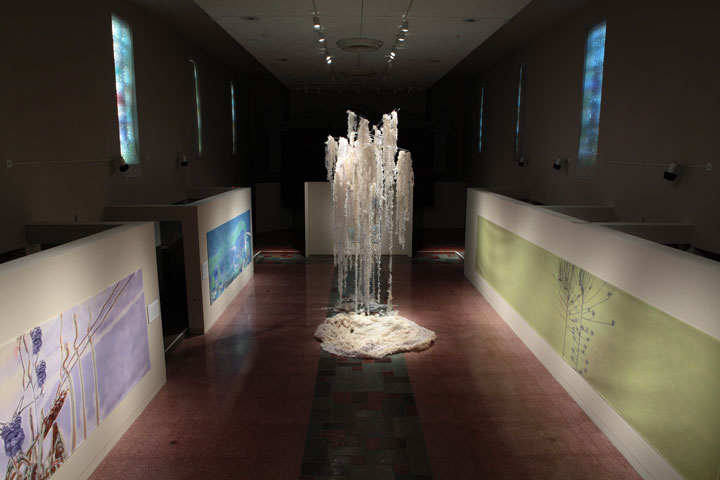
Rebecca Niederlander: Axis Mundi |
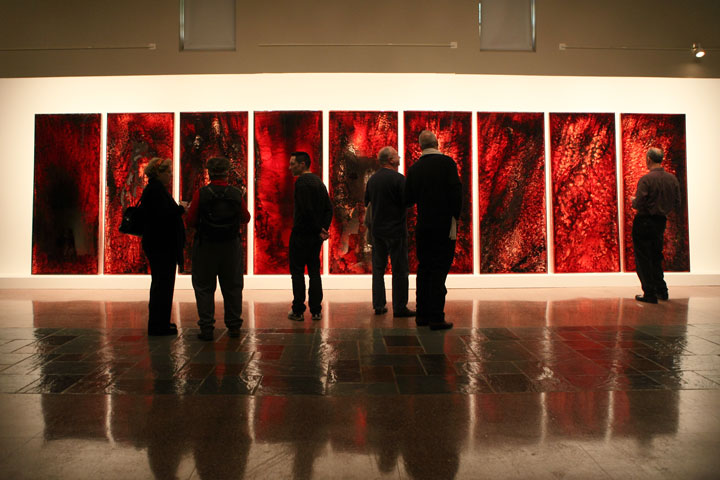
Jordan Eagles: BLOOD / SPIRIT |
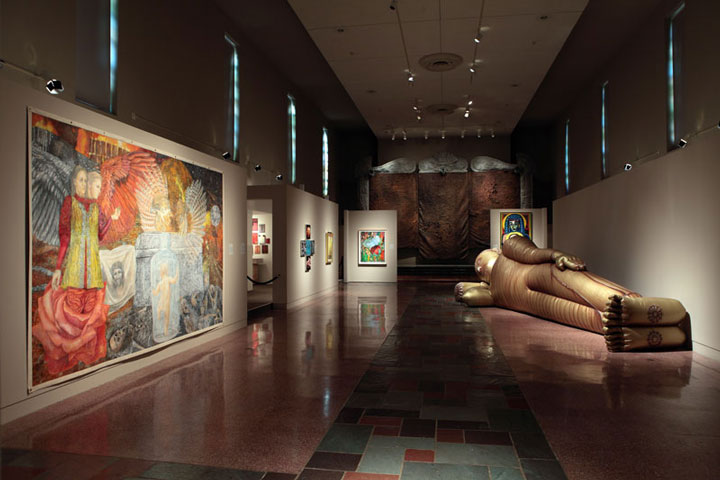
Thresholds: MOCRA at 20 – Part One, The First Decade |
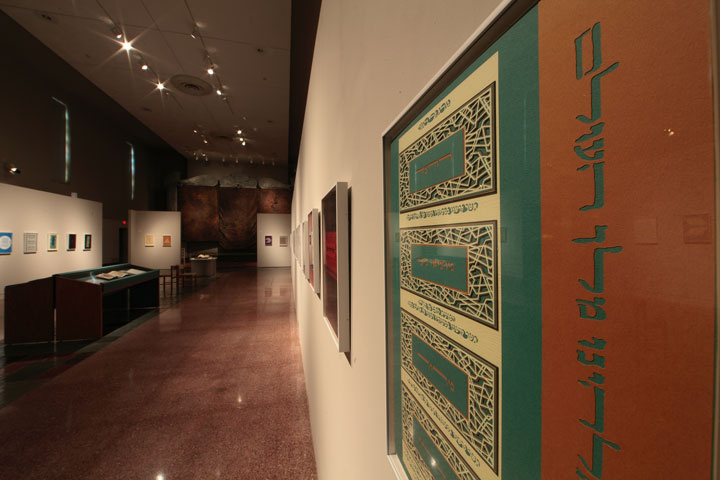
Archie Granot: The Papercut Haggadah |
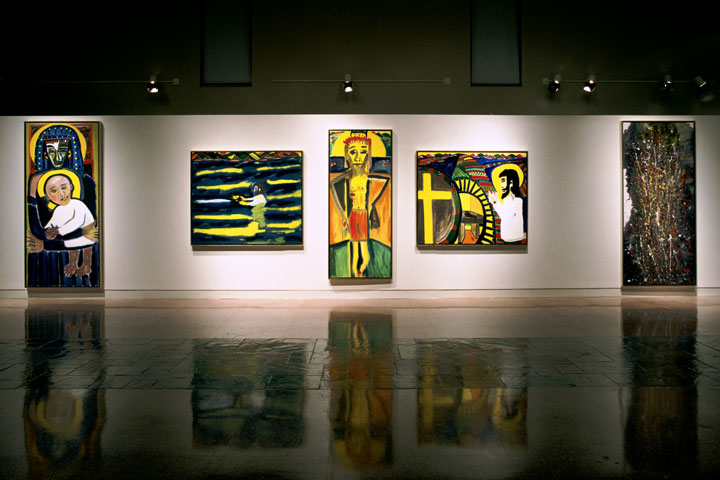
A Tribute to Frederick J. Brown |
Patrick Graham: Thirty Years – The Silence Becomes the Painting |
Adrian Kellard: The Learned Art of Compassion |
Good Friday: The Suffering Christ in Contemporary Art |
James Rosen: The Artist and the Capable Observer |
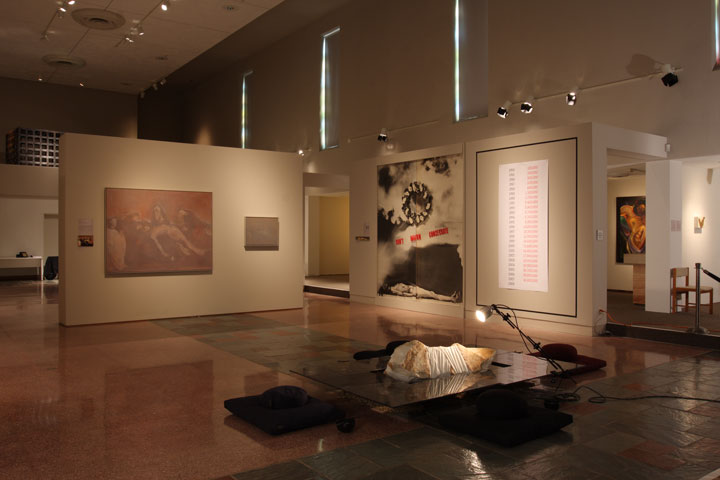
MOCRA at Fifteen: Good Friday |
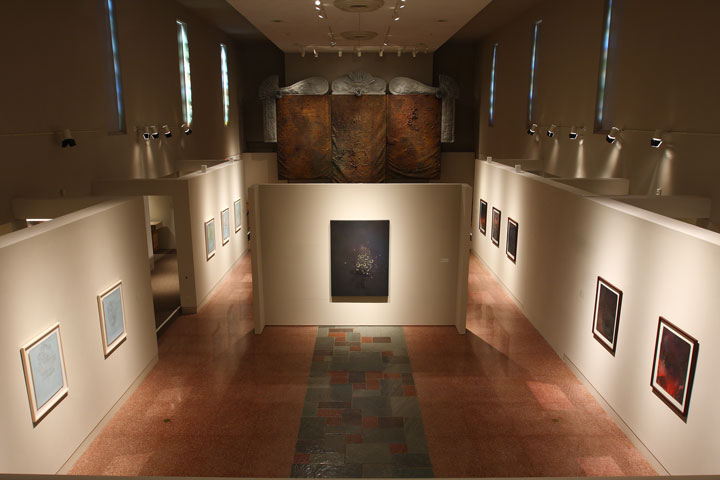
Michael Byron: Cosmic Tears |
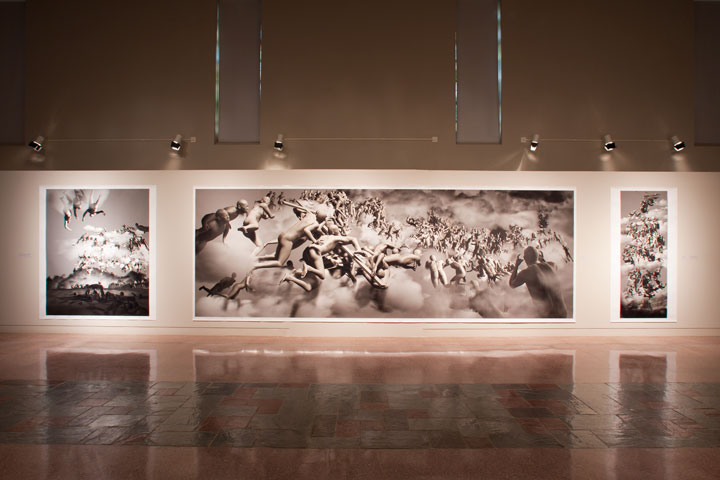
Miao Xiaochun: The Last Judgment in Cyberspace |
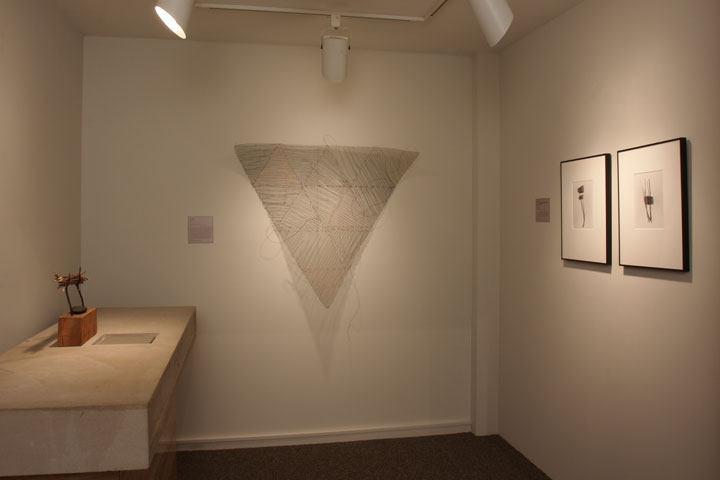
MOCRA at Fifteen: Pursuit of the Spirit |
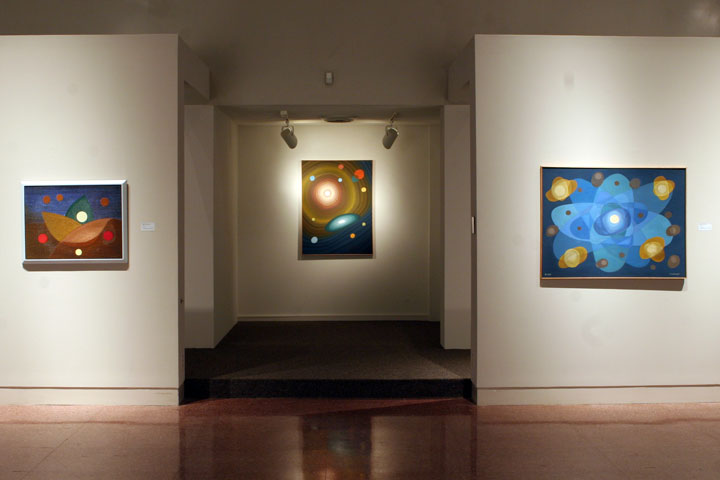
Oskar Fischinger: Movement and Spirit |
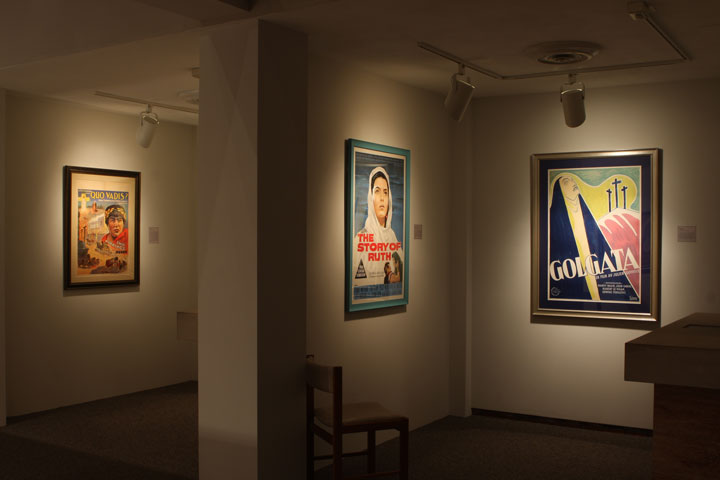
The Celluloid Bible: Marketing Films Inspired by Scripture |
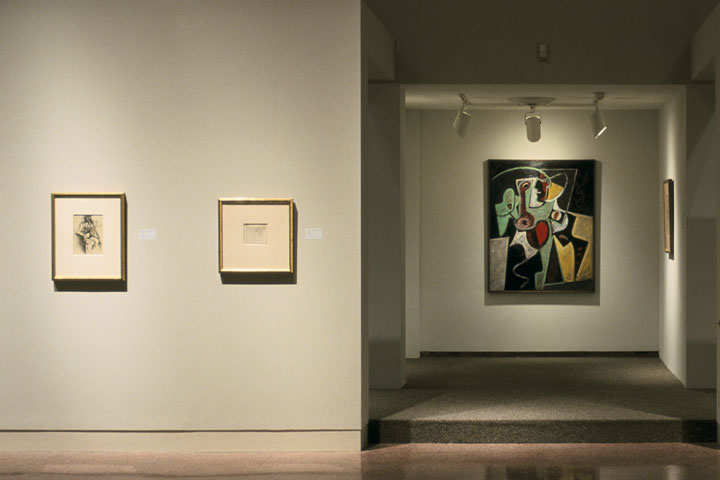
Gorky: The Early Years – Drawings and Paintings, 1927–1937 |

Andy Warhol: Silver Clouds |
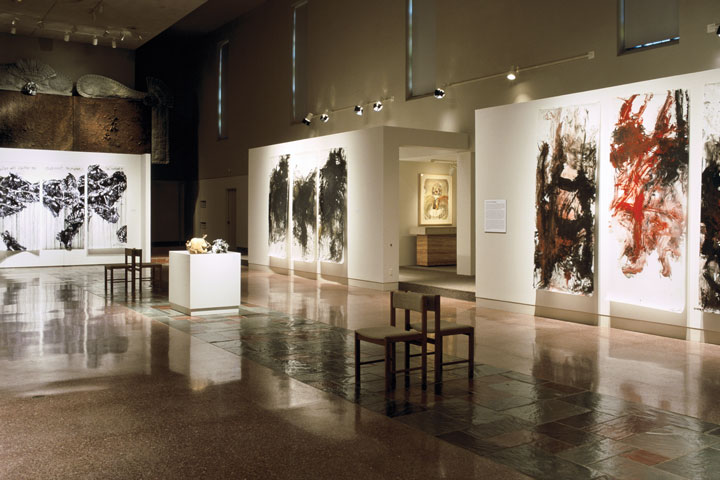
Junko Chodos: The Breath of Consciousness |
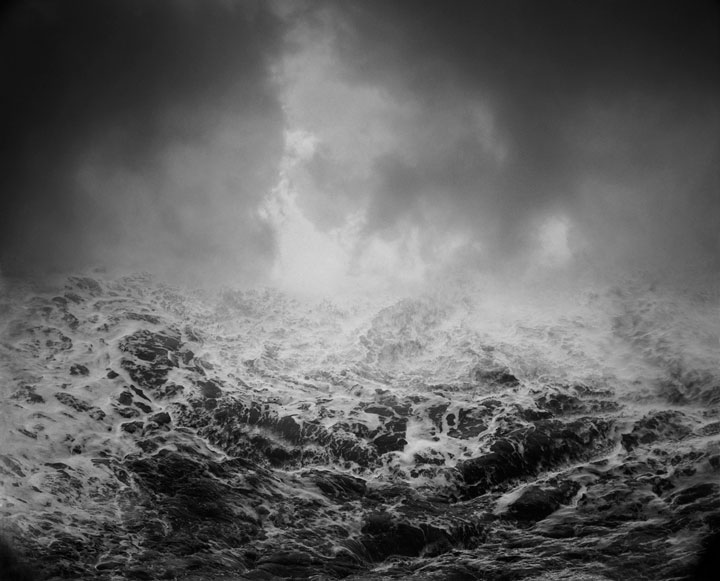
DoDo Jin Ming: Land and Sea |
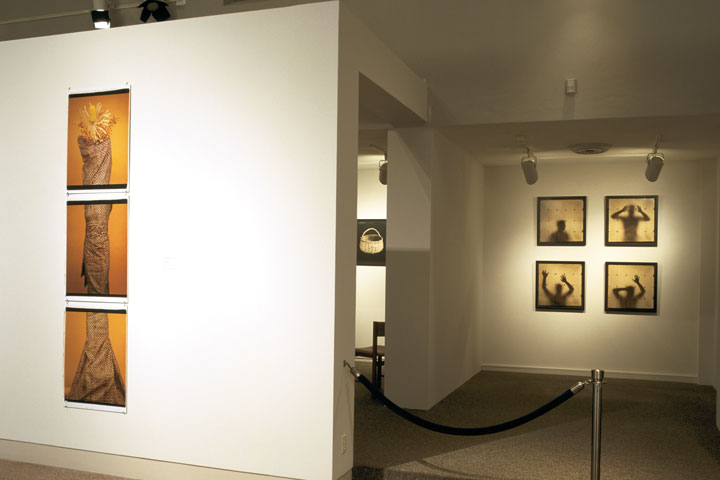
Rito, Espejo y Ojo / Ritual, Mirror and Eye: Photography by Luis González-Palma, María Magdalena Campos-Pons, and Pablo Soria |
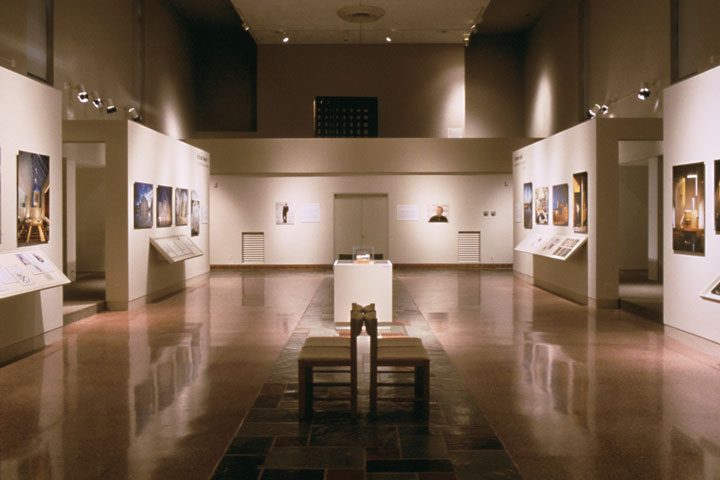
Radiant Forms in Contemporary Sacred Architecture: Richard Meier and Steven Holl |
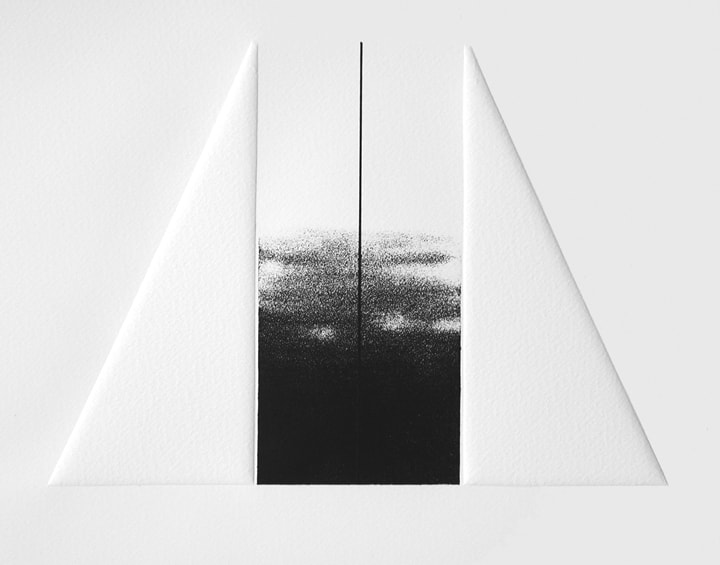
Daniel Ramirez: Twenty Contemplations on the Infant Jesus, an Homage to Oliver Messiaen |
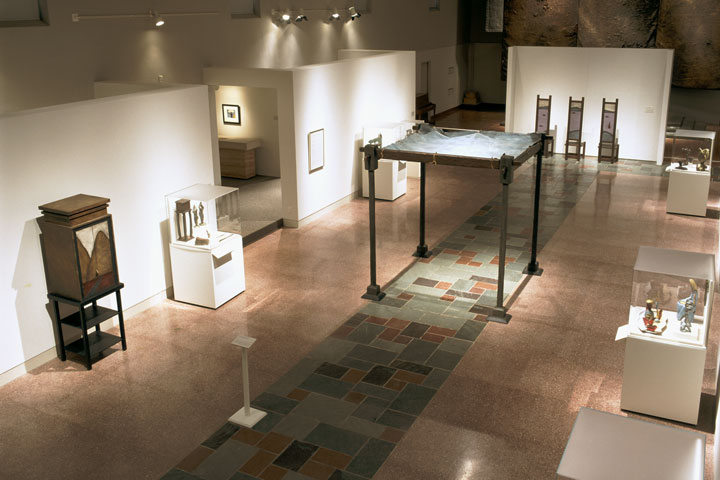
Avoda: Objects of the Spirit – Ceremonial Art by Tobi Kahn |
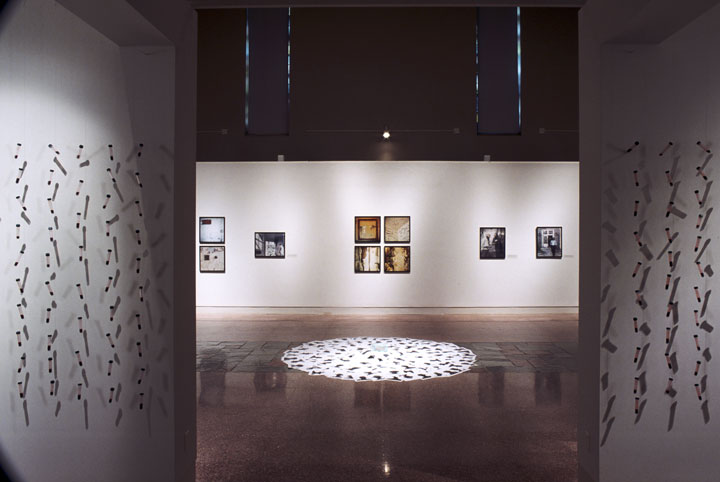
Tony Hooker: The Greater Good – An Artist’s Contemporary View of the Tuskegee Syphilis Study |
|
Andy Warhol: Silver Clouds, an encore presentation |
|
Andy Warhol’s Silver Clouds: A Fortieth Anniversary Celebration |
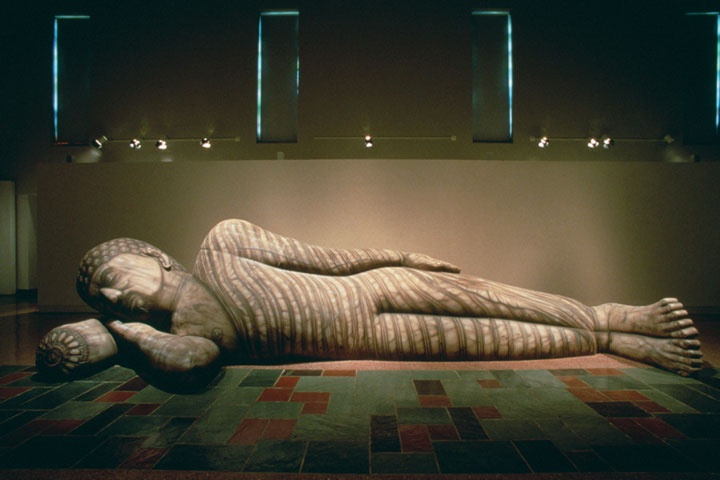
Lewis deSoto: Paranirvana |
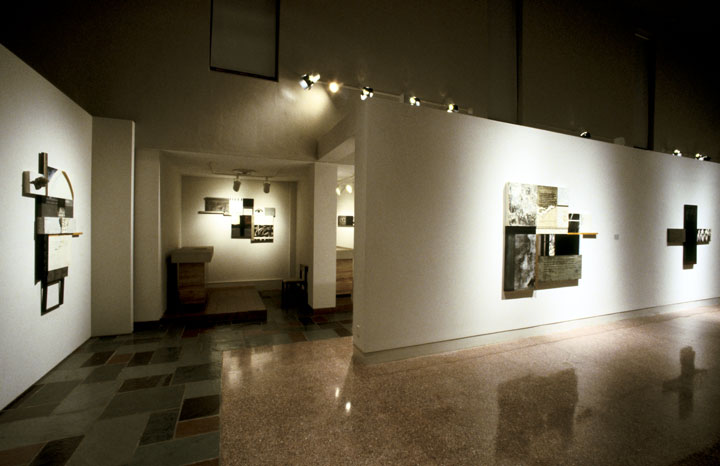
Robert Farber: A Retrospective, 1985–1995 |
Bernard Maisner: Entrance to the Scriptorium |
Tobi Kahn: Metamorphoses |
MOCRA: The First Five Years |
Steven Heilmer: Pietre Sante | Holy Stones |
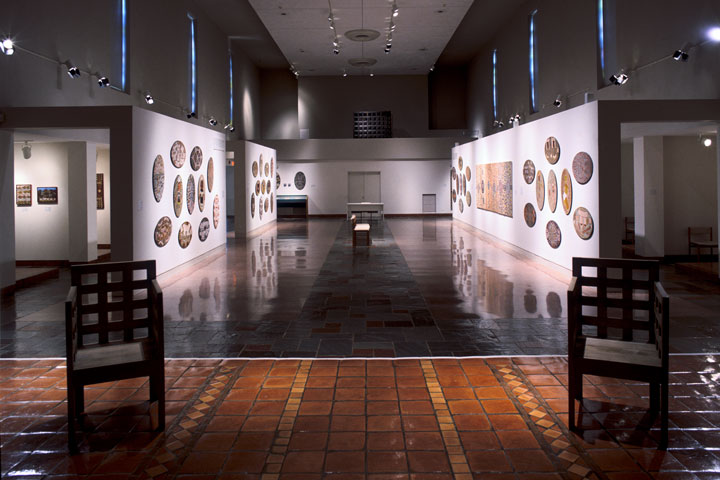
Utopia Body Paint Collection and Australian Aboriginal Art from St. Louis Collections |
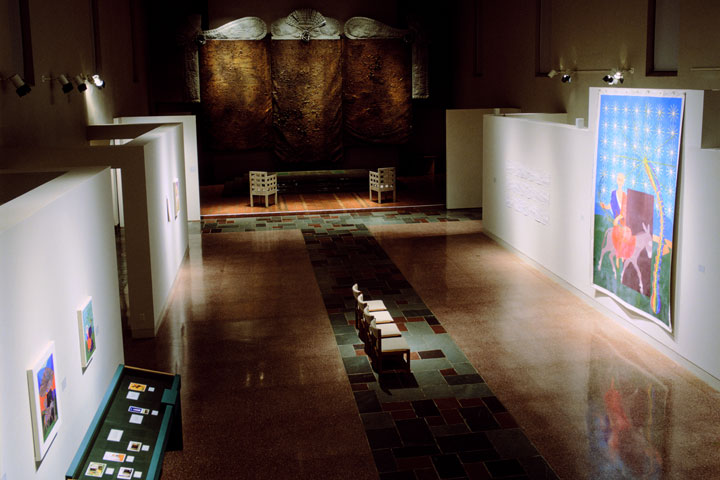
Manfred Stumpf: Enter Jerusalem |
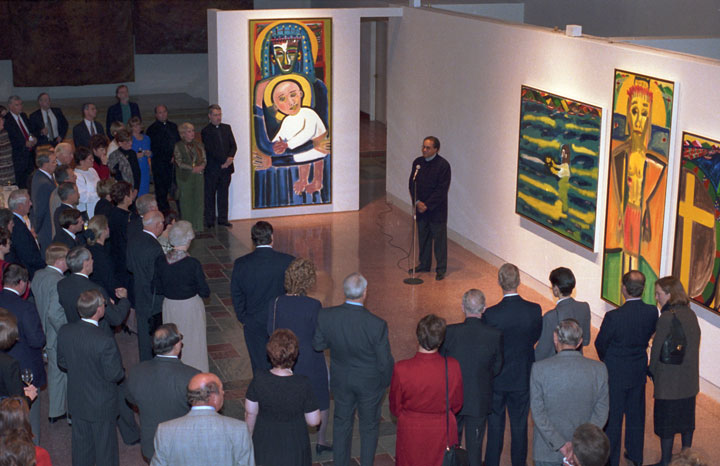
Frederick J. Brown: The Life of Christ Altarpiece |
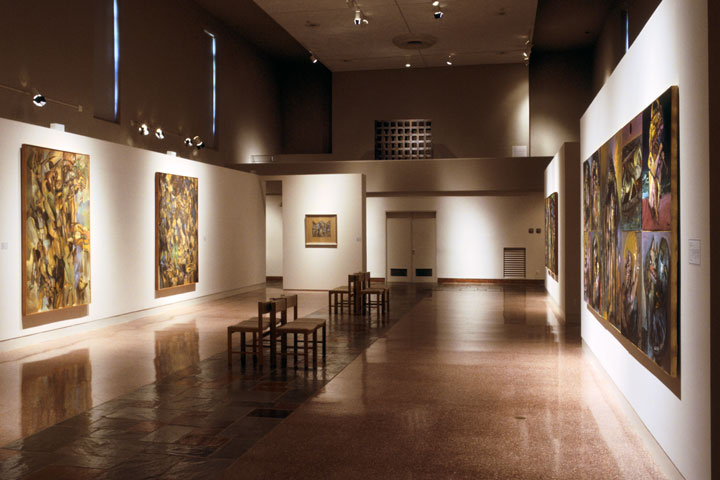
Edward Boccia: Eye of the Painter |
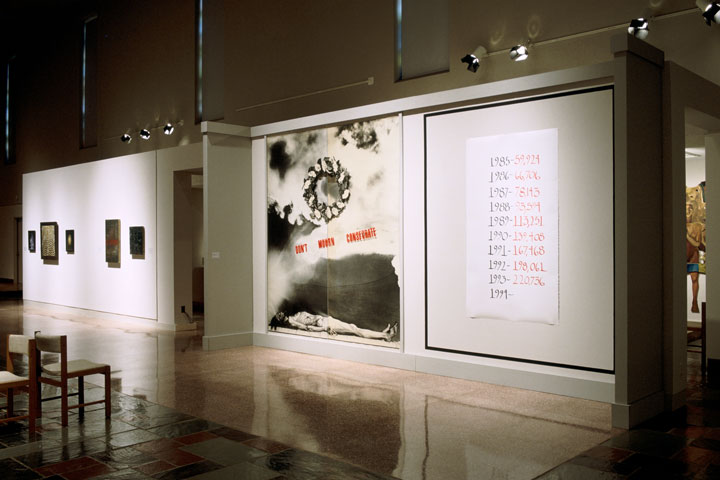
Consecrations Revisited |
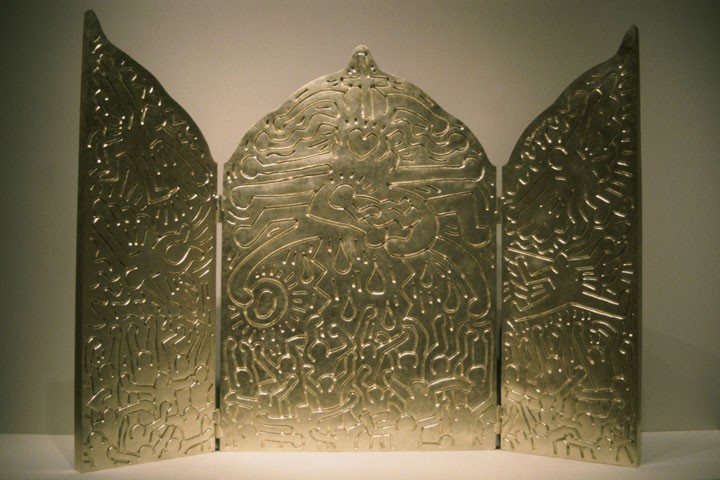
Keith Haring: Altarpiece – The Life of Christ |
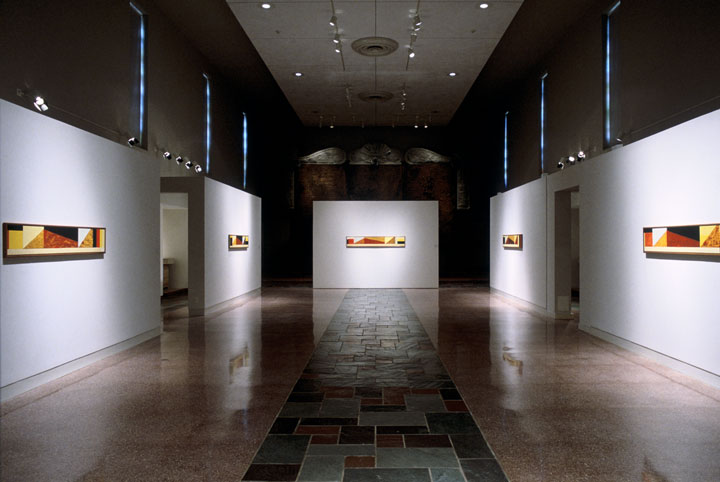
Ian Friend: The Edge of Belief – Paintings, Sculpture, and Works on Paper, 1980–1994 |
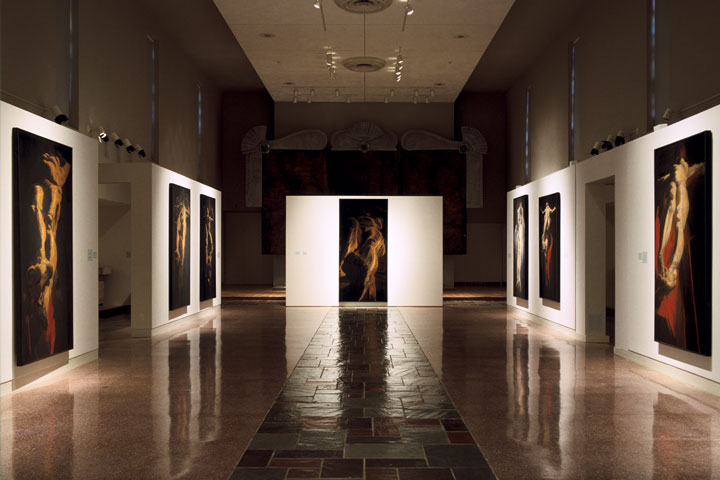
Eleanor Dickinson: A Retrospective |
Post-Minimalism and the Spiritual: Four Chicago Artists |
Consecrations: The Spiritual in Art in the Time of AIDS |
Sanctuaries: Recovering the Holy in Contemporary Art, Part One |
Body and Soul: The Alvin Ailey American Dance Theater |
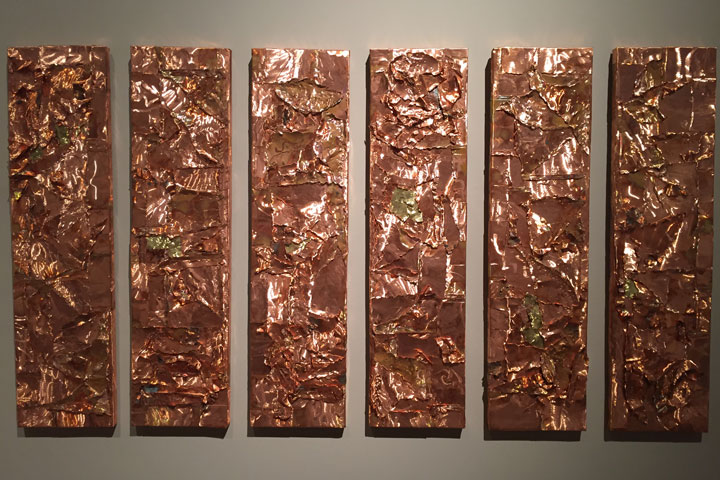
Transformations: Highlights from the MOCRA Collection |
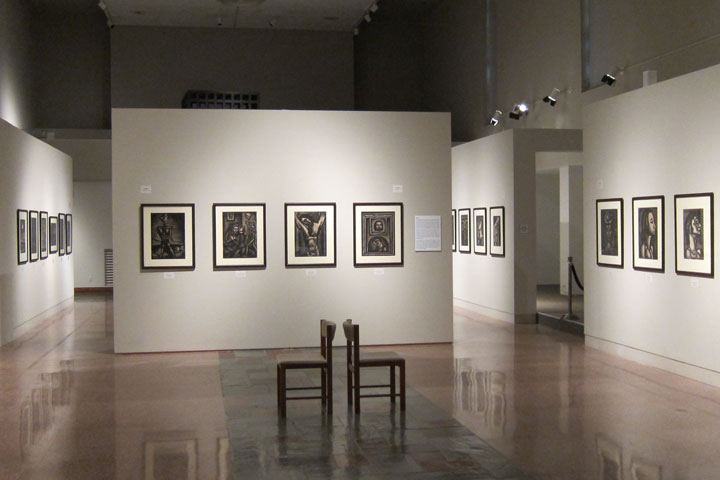
Georges Rouault: Miserere et Guerre |
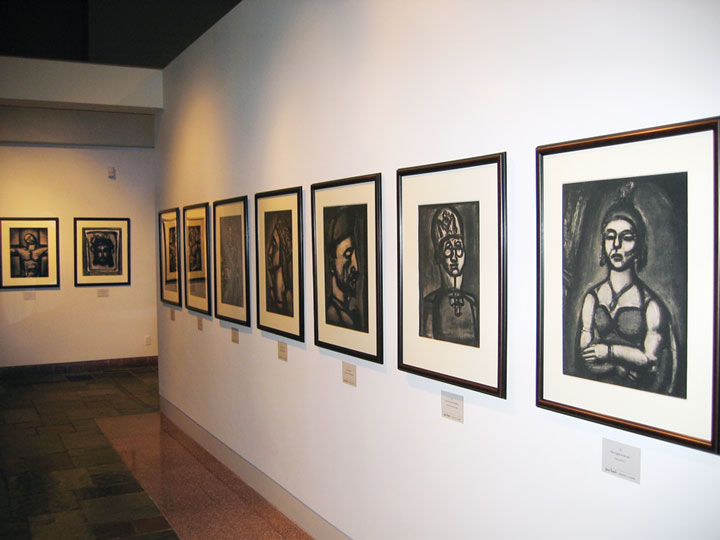
Georges Rouault: Miserere et Guerre |
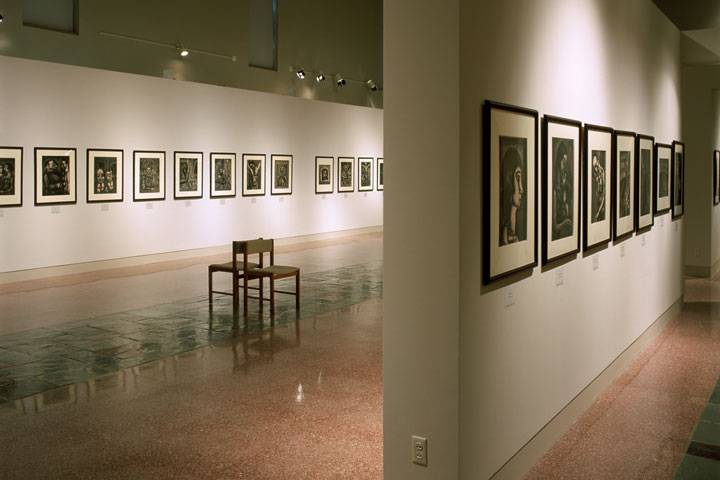
Georges Rouault: Miserere et Guerre |
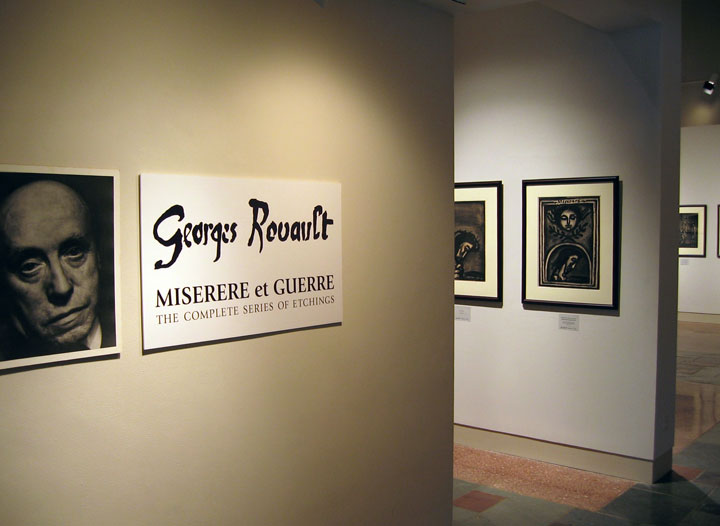
Georges Rouault: Miserere et Guerre |
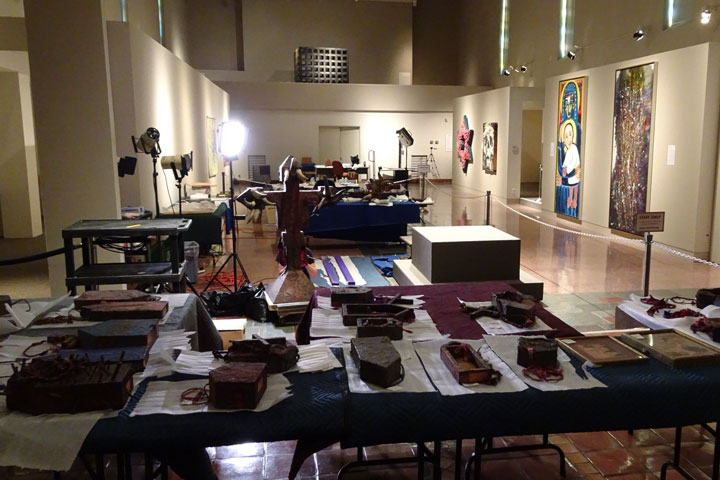
Visible Conservation |
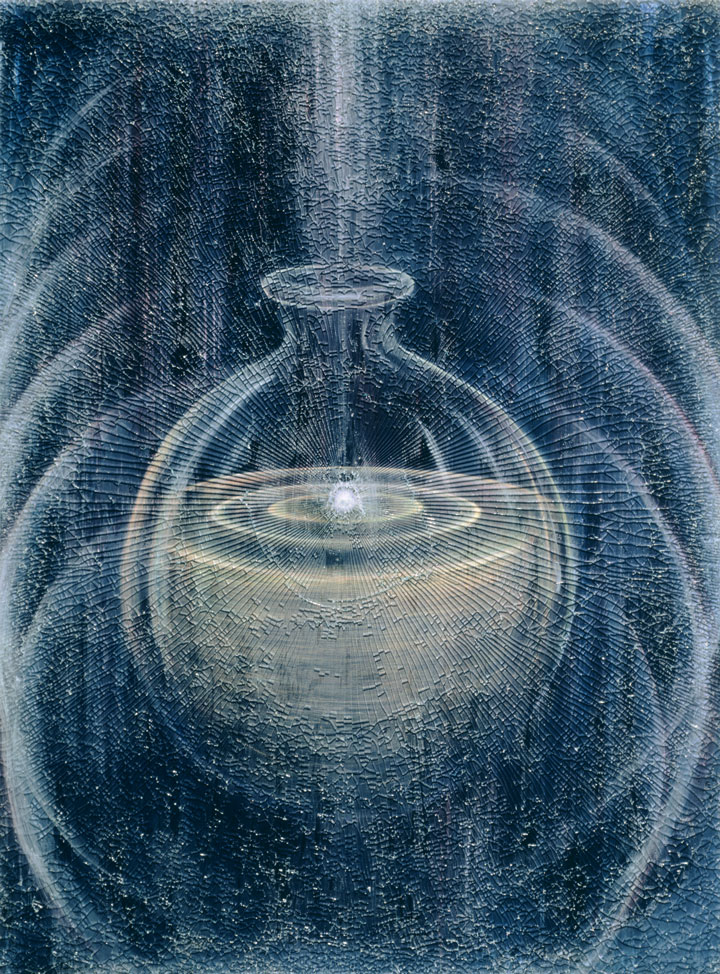
Highlights from the MOCRA Collection |
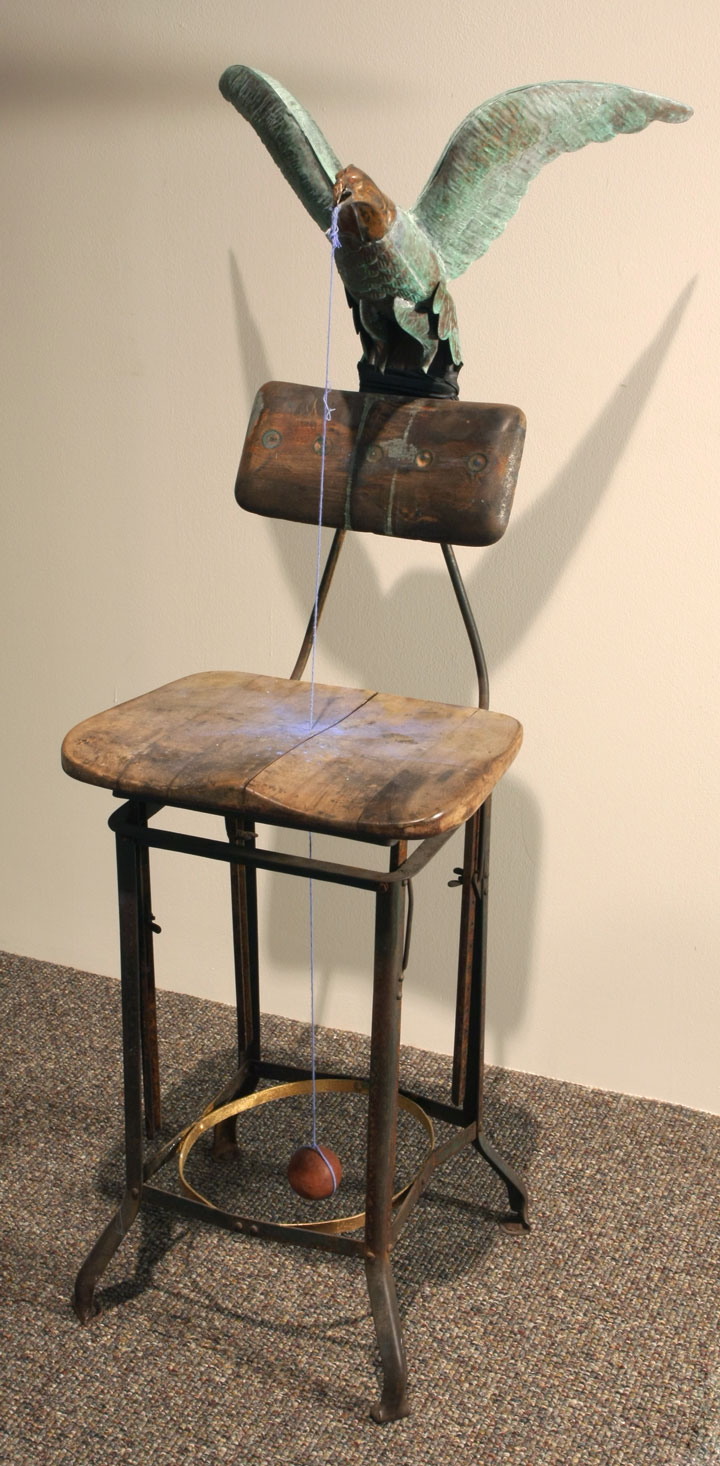
Highlights from the MOCRA Collection |
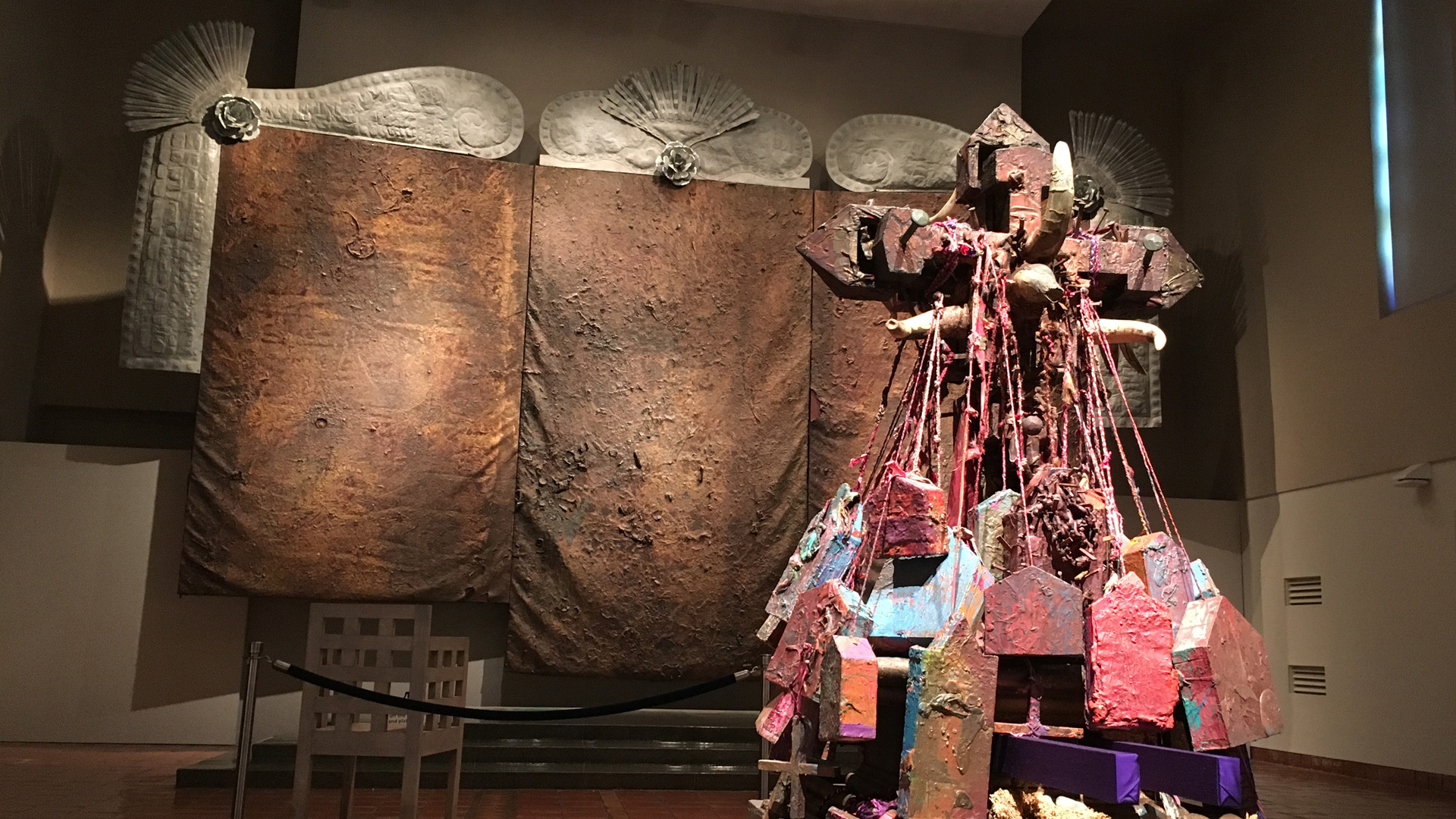
Highlights from the MOCRA Collection: The Romero Cross |
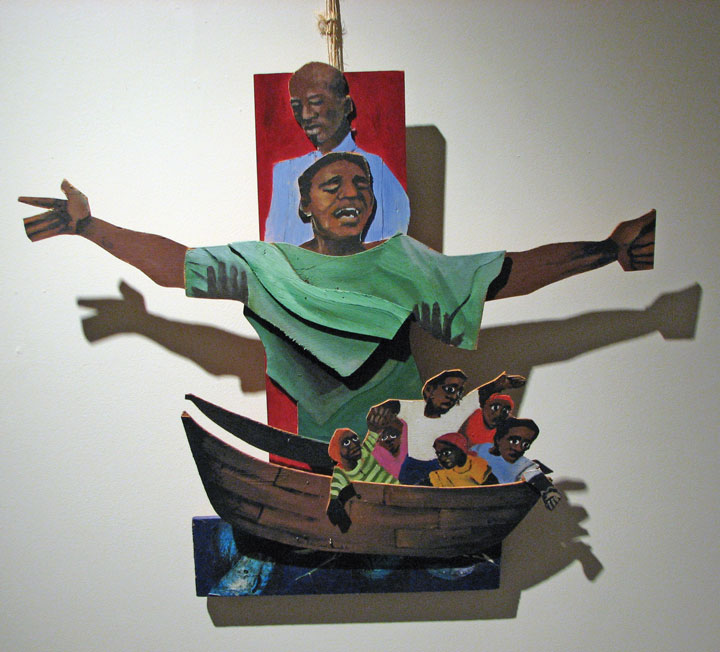
Highlights from the MOCRA Collection |
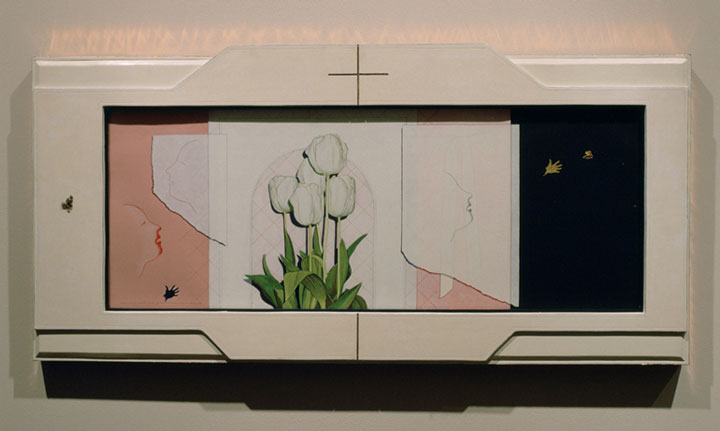
Highlights from the MOCRA Collection |
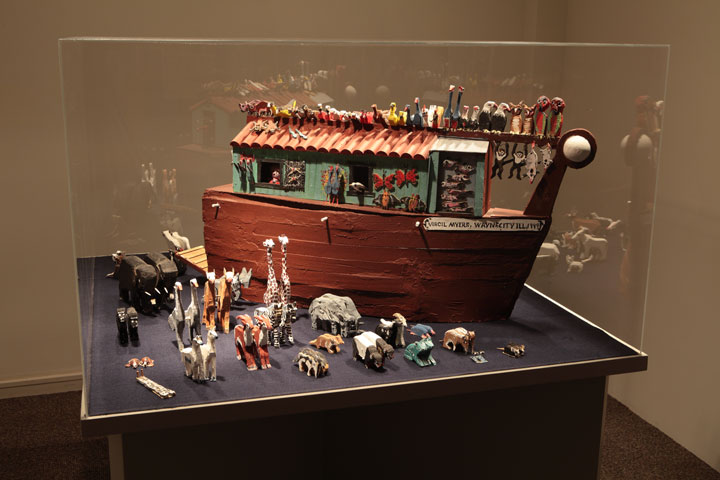
Highlights from the MOCRA Collection |
Highlights from the MOCRA Collection |
Highlights from the MOCRA Collection |
Highlights from the MOCRA Collection |
Highlights from the MOCRA Collection |
|
Sanctuaries: Recovering the Holy in Contemporary Art, Part Two – Three Major Installations |
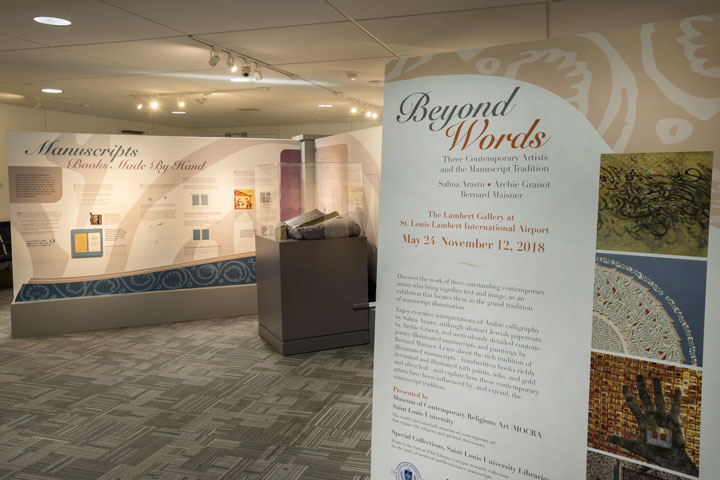
Beyond Words: Three Contemporary Artists and the Manuscript Tradition |
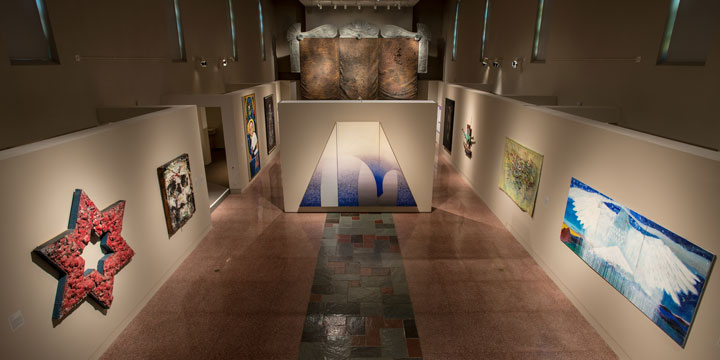
MOCRA: 25 |
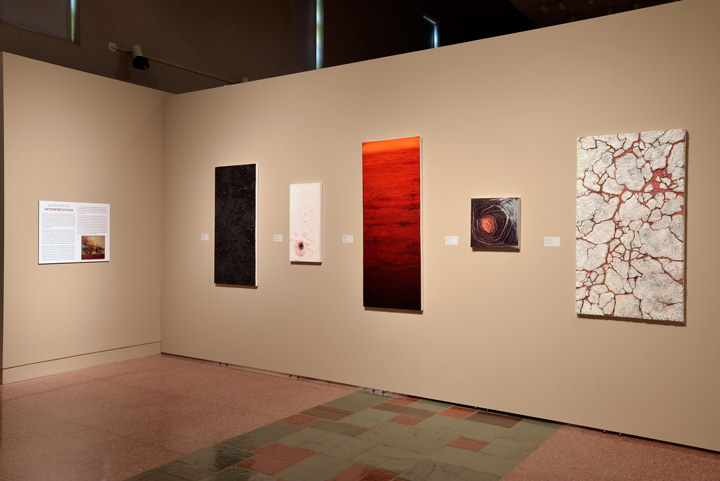
Gary Logan: Elements |
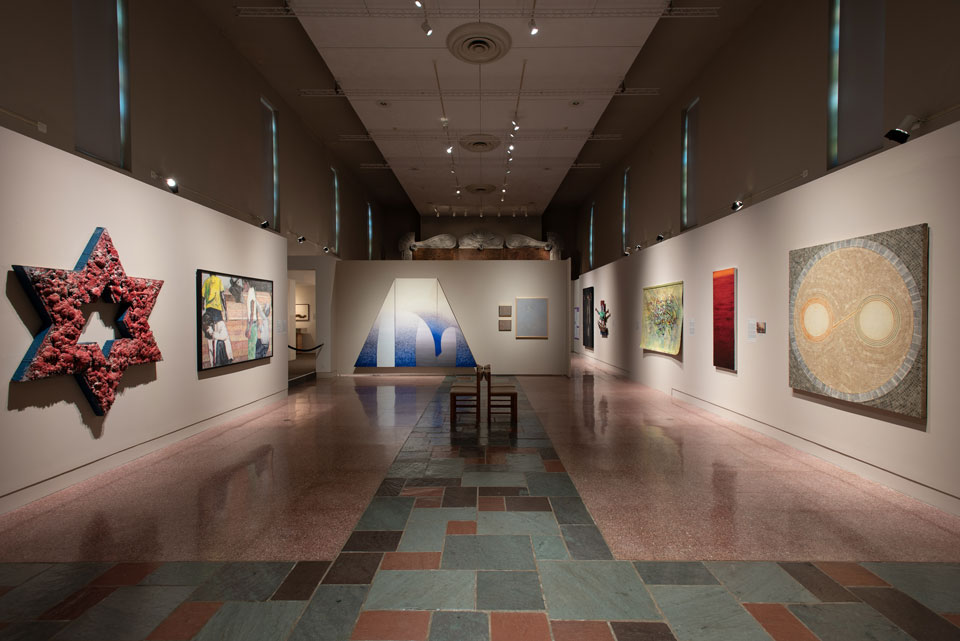
Gratitude |
Surface to Source |
Quiet Isn’t Always Peace |
Tom Kiefer: Pertenencias / Belongings |
Double Vision: Art from Jesuit University Collections |
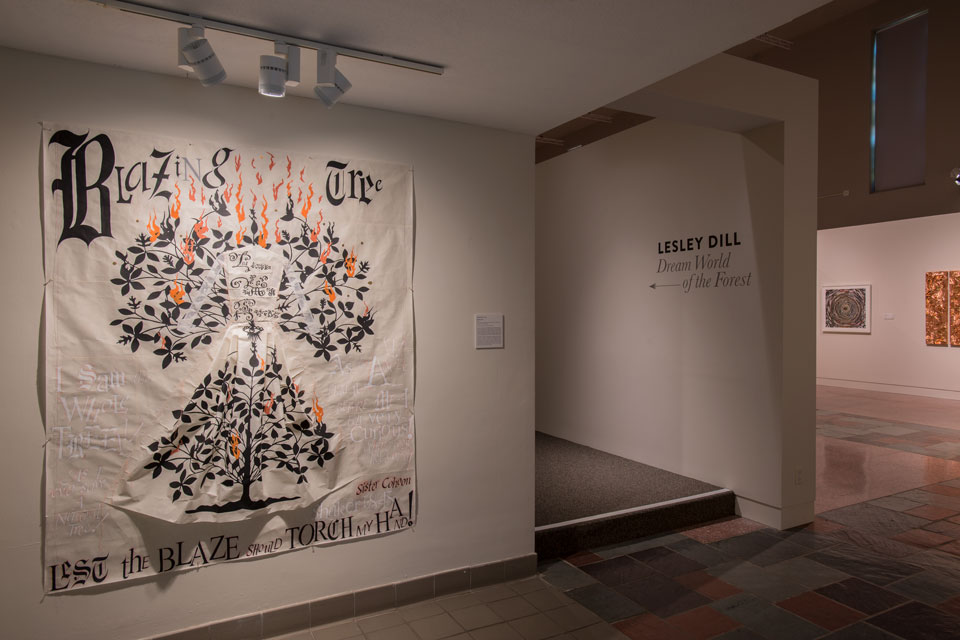
Lesley Dill: Dream World of the Forest |
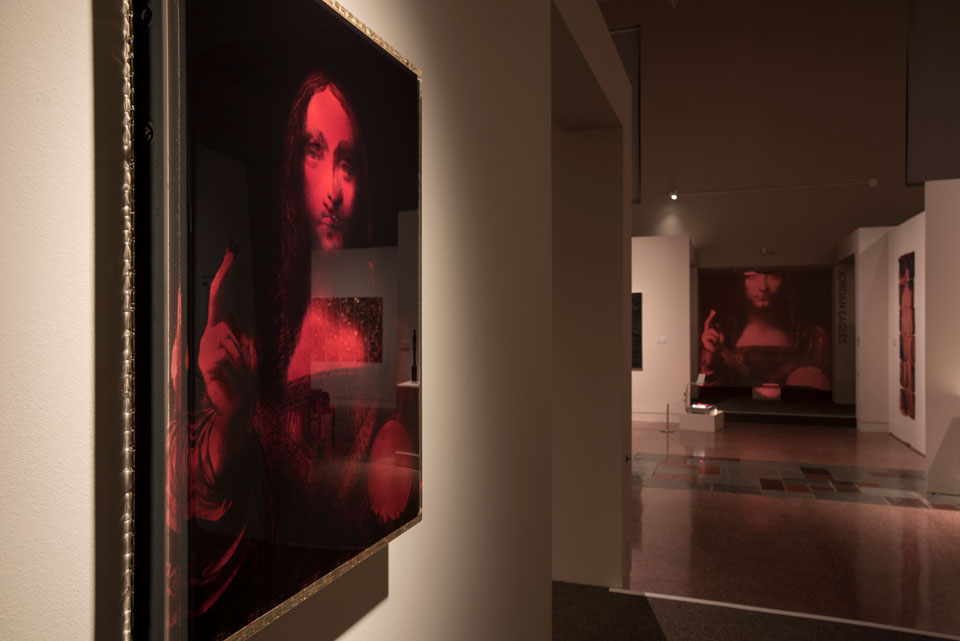
Jordan Eagles: VIRAL\VALUE |
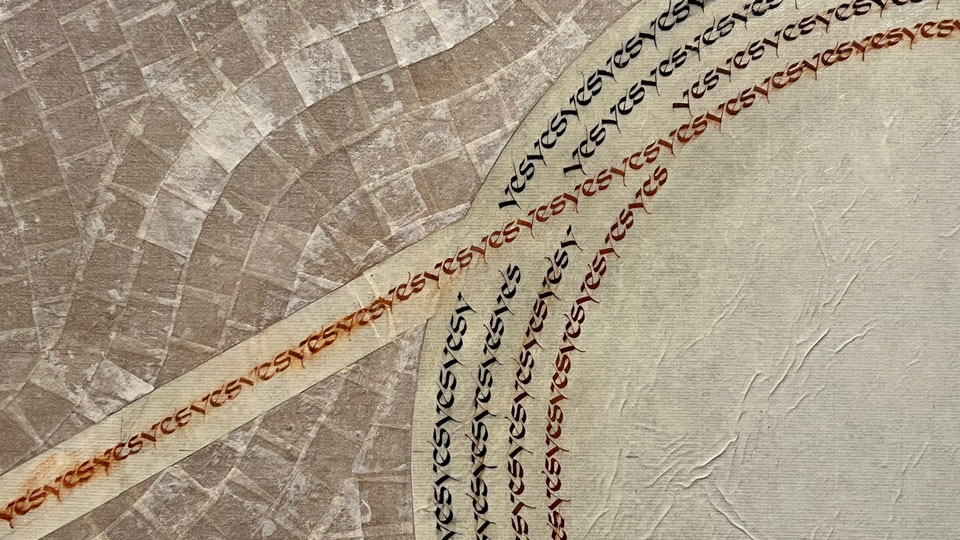
This Road Is the Heart Opening: Selections from the MOCRA Collection |
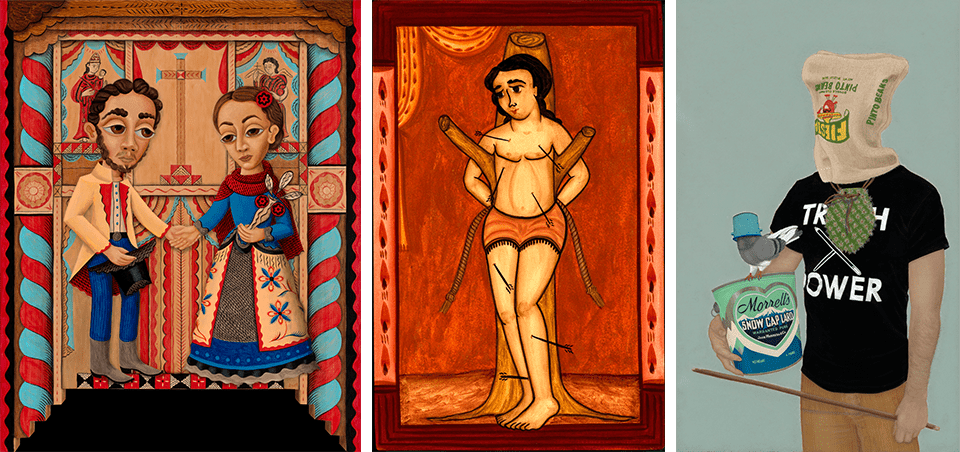
Vicente Telles and Brandon Maldonado: Cuentos Nuevomexicanos |
Open Hands: Crafting the Spiritual |
Selections from the MOCRA Collection |
Continuum: Figuration and Abstraction in the MOCRA Collection |
Continuum (Continued): Figuration and Abstraction in the MOCRA Collection |
Selections from the MOCRA Collection |
To See This Place: Awakening to Our Common Home |
|
Legacy: Selections from the Gerald R. and Mary Reid Brunstrom Gift of Art from Australia |
Liminal |