


Body-Worn Cameras
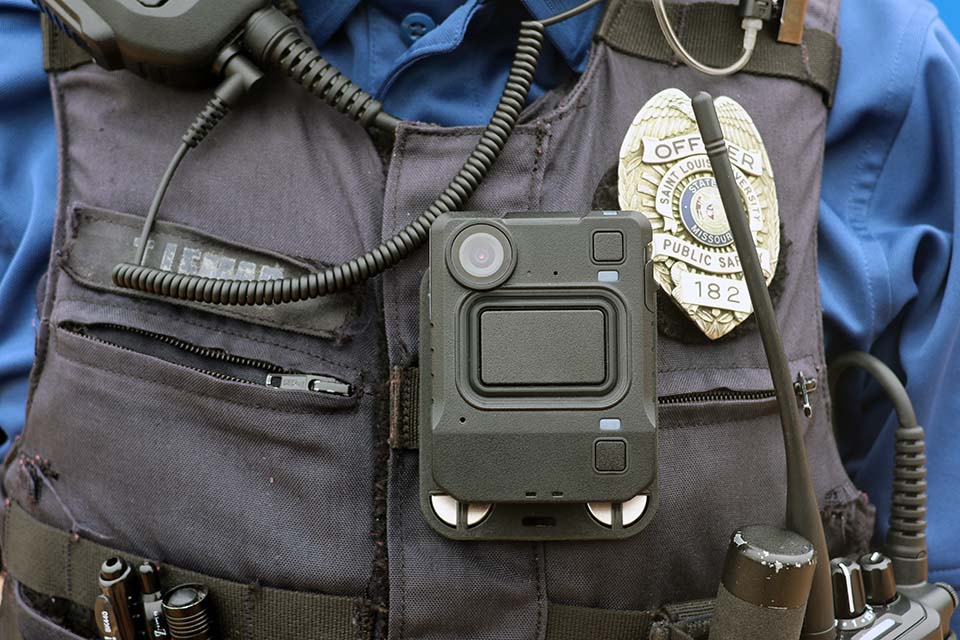
In fall 2026, Saint Louis University’s Department of Public Safety (DPS) implemented a body-worn camera program for its armed officers as part of its ongoing efforts to support professionalism, transparency and accountability in serving the SLU community.
Body-worn cameras are used by public safety and police departments on college campuses across the country to document interactions and incidents.
Frequently Asked Questions
Officers will activate their body-worn cameras during calls for service, emergencies, situations involving an anticipated use of force and duty-related encounters initiated by an officer. Once activated, the camera will generally remain recording until the encounter has been concluded, or the circumstances no longer require recording under DPS policy. Officers must document instances in which a camera was not activated when required or was deactivated before an encounter is concluded.
Yes, in most circumstances. Unless emergency or other urgent circumstances prevent it, officers will inform individuals that a recording is occurring when they arrive at a call for service.
DPS policy requires officers to make all reasonable efforts to respect the dignity and privacy of individuals engaged in private activities in nonpublic settings, including residence hall rooms, locker rooms and restrooms. Unless emergency or other urgent circumstances prevent it, officers will inform individuals that a recording is occurring.
When feasible, officers also will allow individuals engaged in private activities an opportunity to become appropriately clothed before entering with an activated camera. The presence of a body-worn camera does not change existing University policies governing when DPS officers may enter residential spaces.
Once a body-worn camera has been activated for an encounter that requires recording, it generally must remain activated until the encounter concludes or the circumstances no longer require recording under DPS policy. If an officer does not activate a camera when required or stops recording before an encounter has concluded, the officer must document the circumstances, and a supervisor will review the incident.
No. A body-worn camera captures audio and video from the camera’s position on an officer’s uniform. As a result, a recording may not capture everything an officer or another person sees, hears or experiences during an encounter.
Recordings may be used to document calls for service and other security-related contacts and incidents. They also may be reviewed for legitimate purposes, including investigations, reports, use-of-force review, complaints, training, performance evaluation, policy compliance, and other administrative or supervisory purposes consistent with University policy and applicable law.
Access to body-worn camera recordings is restricted to authorized personnel. DPS supervisors and other designated personnel may review recordings for legitimate supervisory, investigative, training or administrative purposes. Recordings also may be provided to law enforcement or other authorized parties when appropriate and consistent with applicable law and University policy.
Body-worn camera recordings are stored in a secure digital system, with access restricted to authorized personnel through secure authentication. The system maintains audit records of access, duplication and export of recordings. Recordings may not be copied to personal devices or altered without authorization.
Recordings are retained in accordance with University policy and for no less than 90 days. Recordings involving critical incidents — including a use of force resulting in injury, serious bodily injury or death, or incidents likely to result in administrative, civil or criminal review — are preserved beyond routine retention schedules as appropriate.
Requests for body-worn camera recordings will be handled in accordance with applicable law and University policy. Recordings are reviewed for sensitive or legally protected information before any authorized release, including information involving minors, medical matters and private spaces. Recordings will not be released to anyone without specific direction from SLU’s Office of General Counsel.
Recordings created and maintained by DPS for law enforcement or campus safety purposes are not considered education records under the Family Educational Rights and Privacy Act (FERPA). Other privacy protections and applicable laws may still govern how recordings are accessed, used or released.