


Geo-Resolution 2026
Securing the Future with Geospatial
8:30 a.m. to 6 p.m. Thursday, Sept. 10
Saint Louis University will host the 2026 Geo-Resolution conference, “Securing the Future with Geospatial”.
Conference: 8:30 a.m. to 6 p.m. (CDT)
Geospatial Expo: 3:30 to 5:30 p.m. (CDT)
Saint Louis University, Busch Student Center, 20 N. Grand Boulevard, St. Louis, MO 63103
Register for Geo-Resolution 2026
Mission Statement
Saint Louis University (SLU) aims to provide a venue for collaboration among geospatial experts and students in government, academia and industry. This year’s conference will highlight how, in an era of persistent strategic competition, mastering the geospatial domain is a national imperative.
Keynote and Panel Themes
Leader's Look
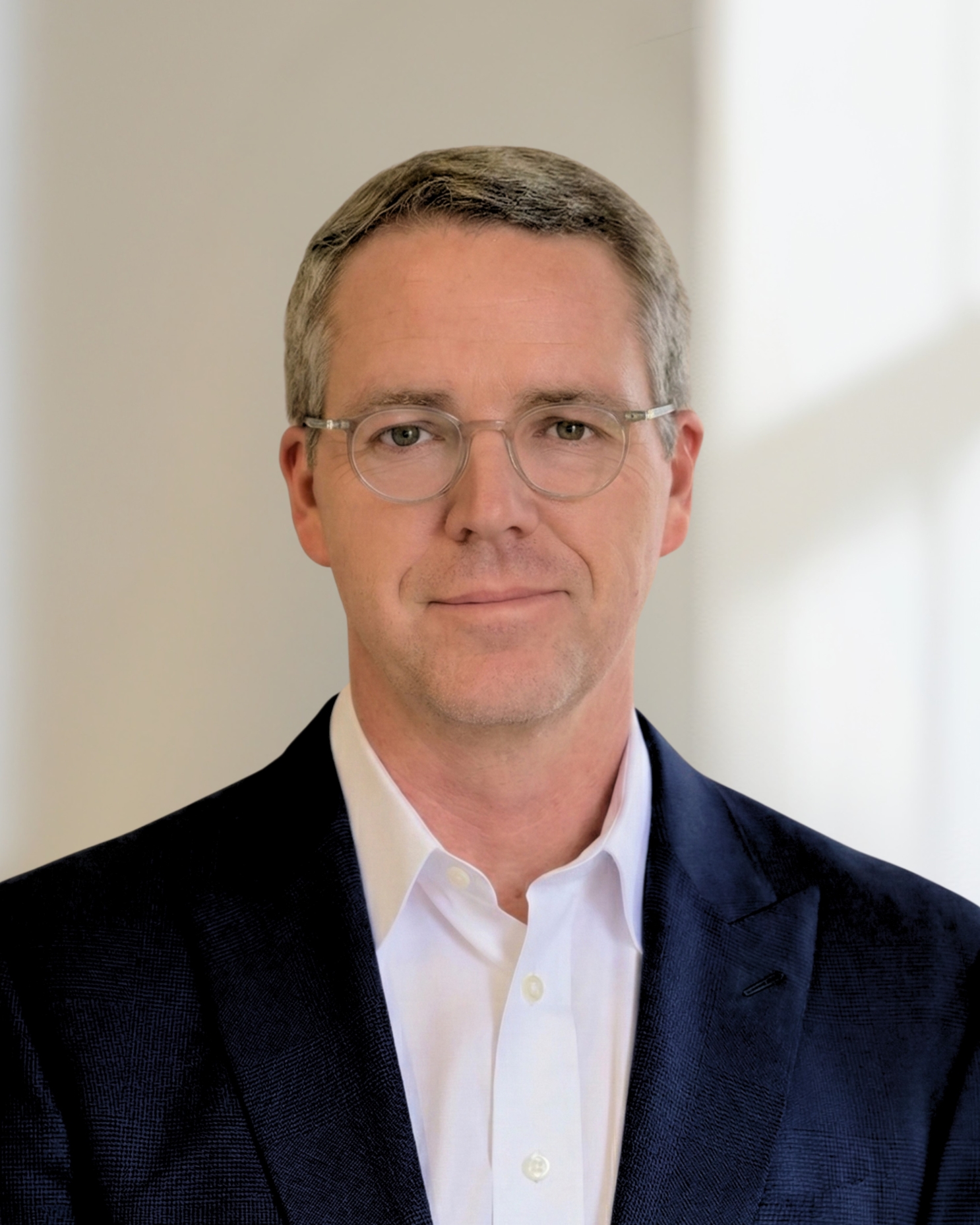
Elliott Kellner is the president of Taylor Geospatial, a St. Louis-based nonprofit organization advancing geospatial artificial intelligence (GeoAI) for global public benefit. He leads the organization’s mission to unlock AI-driven geospatial breakthroughs that address critical global challenges, guiding efforts to translate cutting-edge research into accessible tools, datasets, and shared infrastructure. Under his leadership, Taylor Geospatial catalyzes the development and commercialization of novel geospatial AI research — transforming advanced science into digital public goods that empower innovators and communities worldwide.
Kellner brings more than 15 years of experience at the intersection of science, strategy, and partnership development. Trained as a natural resources scientist, he completed his doctoral studies at the University of Missouri in 2015 before serving as a research scientist and faculty member at West Virginia University. During this period, he worked closely with the U.S. Department of Agriculture’s Natural Resources Conservation Service as Chesapeake Bay science advisor, supporting basin-scale agricultural conservation efforts aimed at mitigating the impacts of agriculture on water resources. His work advanced sustainable land and water resource management through data-driven decision-making and cross-sector collaboration.
He later joined the Donald Danforth Plant Science Center, where he played a key role in forging collaborations between research teams and emerging technology companies. There, he helped accelerate the commercialization of innovative agricultural technologies and built multi-institutional partnerships that bridged academic research and private-sector innovation. As chief financial and operating officer — and later interim executive director — of the Taylor Geospatial Institute, he guided organizational strategy and operations during a period of growth and transition.
Kellner’s leadership reflects a distinctive blend of scientific expertise, operational insight, and a deep commitment to collaborative problem-solving. He holds a Doctor of Philosophy in Natural Resources from the University of Missouri and an MBA from Washington University in St. Louis. At Taylor Geospatial, he continues to build cross-sector alliances that translate advanced geospatial AI research into scalable, impactful solutions — advancing a global ecosystem of digital public goods designed to meet the world’s most complex challenges.
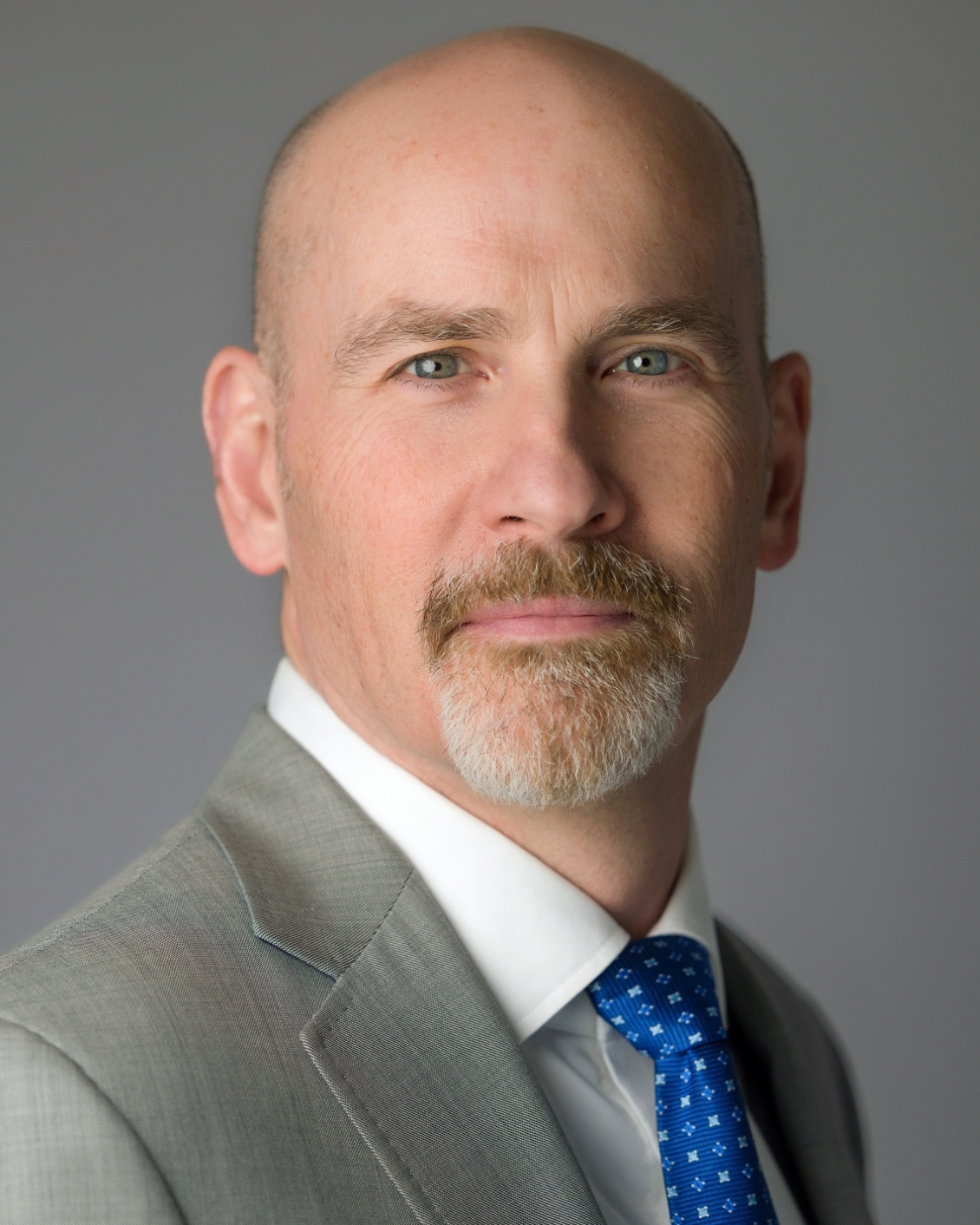
As president of Saint Louis University, Edward Feser, Ph.D., leads a global Jesuit research university with campuses in St. Louis and Madrid. One of only 52 private R1 institutions in the country, SLU has more than 13,000 students and 4,000 employees, an annual operating budget of more than $600 million, and an endowment of $2 billion.
Following an extensive national search, Feser became the 34th president of Saint Louis University on July 1, 2025.
Rooted in his Roman Catholic faith and shaped by his Jesuit education at the University of San Francisco, Feser’s leadership journey has been defined by a steadfast belief in the power of education to transform lives and contribute to flourishing communities.
A noted scholar of city and regional economic growth and development, Feser most recently served as provost and executive vice president at Oregon State University, where his accomplishments include increased student access and success, elevated research impact, successful fundraising initiatives, and innovative community partnerships.
As SLU president, he is committed to prioritizing the success of every student, building the University’s growing research enterprise with bold choices and focus, enhancing the agility and effectiveness of university operations, and collaborating with community partners to foster a thriving city and region for all.

Cara Spencer was sworn in as the 48th mayor of the City of St. Louis on April 15, 2025. A proven leader with a deep commitment to public service, she is focused on building a stronger, more prosperous city for all St. Louisans.
Born and raised in St. Louis, she became the first in her family to earn a college degree, graduating with a Bachelor of Science in Mathematics from Truman State University. Her early career took her to cities across the country, where she saw firsthand the transformative impact of smart urban planning, economic investment, and engaged leadership. Inspired by those experiences, Spencer returned home and successfully ran for the Board of Aldermen in 2015, where she’s worked ever since to put St. Louis on a path toward shared prosperity.
Spencer continues to lead the charge to make city government more transparent, efficient and accountable. During her time as an alderperson, she authored legislation to curb predatory lending, improve air quality, and bring greater transparency to campaign finance. As a champion of public safety, she passed the city’s first meaningful gun control law in decades, closing a loophole that allowed minors and individuals without permits to possess firearms. Since the law’s passage in 2023, the city has seen a 15% decline in juvenile shooting victims.
A strong advocate for responsible governance, Spencer helped stop the privatization of Lambert International Airport, protecting one of the city's most valuable public assets. She’s pushed for greater oversight in public spending, exposing mismanagement of federal relief funds and calling for more strategic use of Rams settlement dollars to revitalize downtown.
Spencer’s work extends deep into the neighborhoods of St. Louis. She co-developed the innovative “mow-to-own” program, giving residents a path to reclaim and care for vacant lots. She led efforts to regulate short-term rentals, protect housing stock, and ensure that public contracts benefit local businesses. A staunch defender of the city’s historic architecture and cultural institutions, she champions investments in parks, museums and iconic landmarks that define St. Louis.
A dedicated mother, community advocate and problem-solver, Spencer is committed to building a safer, more equitable and vibrant city. Outside of work, she enjoys spending time with her 14-year-old son, Cy, and can often be found cycling, hiking Missouri’s trails, or cross-country skiing through her neighborhood.
Ron Kitchens is the managing partner of Greater St. Louis, Inc., the lead economic development organization serving the 15-county St. Louis metropolitan region. Nationally recognized as a transformational leader, entrepreneur and thought leader, Kitchens has spent more than three decades helping communities reinvent themselves through innovation, economic growth and bold civic leadership.
Known for blending entrepreneurial thinking with community building, Kitchens has led major organizational turnarounds and regional growth strategies across Missouri, Michigan, Texas, and beyond. Throughout his career, the organizations he has led have averaged 19% annual growth, earned recognition from Inc., The Wall Street Journal, and Outside Magazine as among the best places to work in America, and became the only economic development organization ever recognized on Fast Company’s Fast 50 list.
Before joining Greater St. Louis, Inc., Kitchens served as president and CEO of the Wichita Falls Chamber of Commerce and Industry and led the creation of Forward Wichita Falls, a transformational economic development initiative focused on aligning business, civic, educational and military leadership around long-term regional prosperity. Under his leadership, Wichita Falls, Texas, secured the three largest private sector investments in the city’s history, helping position the region as an emerging hub for advanced manufacturing, logistics, defense, and technology infrastructure.
Prior to Texas, Kitchens spent 15 years leading Southwest Michigan First, where he helped transform the region into a nationally recognized model for innovation, collaboration and investor-led community leadership. During that time, he played a key role in building support for the Kalamazoo Promise, one of the most influential place-based scholarship programs in America, providing up to 100 percent post-secondary tuition for graduates of Kalamazoo Public Schools.
A serial entrepreneur and innovator, Kitchens has founded and funded eight companies, co-founded Consultant Connect, and created North America’s Top 50 Economic Developers, one of the industry’s most recognized leadership honors. He also served as the founding general partner of what became the nation’s largest community venture fund, helping channel investment into transformative, community-driven ventures.
Kitchens is widely sought after as a speaker and advisor on leadership, organizational culture, economic competitiveness and the future of American cities. He is the bestselling author of Uniquely You and Community Capitalism, books that challenge leaders to think boldly, build courageously and create communities where people and businesses can thrive together.
A passionate advocate for education and leadership development, Kitchens is a trustee emeritus of Western Michigan University and serves on the Dillard College of Business Advisory Board at Midwestern State University in Texas. Raised in Ozark, Missouri, he is a graduate of Missouri State University and previously served as mayor pro-tem of the city of Ozark and on the staff of United States Senator Jack Danforth.
Whether speaking on a national stage, advising CEOs and civic leaders, or walking through a struggling neighborhood imagining what it could become, Ron Kitchens is known for contagious optimism, relentless energy and a belief that the future belongs to communities bold enough to build it.
Keynote
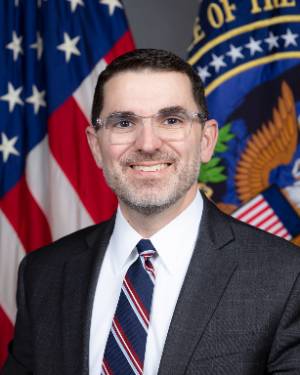
Douglas Cossa serves as the intelligence community (IC) chief information officer (CIO) and the primary information technology (IT) advisor to the director of national intelligence. In this role, he ensures integrated system architectures across IC elements, oversees the acquisition and performance of technology programs, and directs all IC information-security policies and practices for national security systems.
Previously, Cossa served as the CIO for the Defense Intelligence Agency (DIA) from July 2021 to January 2025, after three years as the deputy CIO. As DIA’s CIO, he led a global organization of more than 4,000 staff and $1 billion in resources to provide IT services across the IC and Department of Defense, including the Joint Worldwide Intelligence Communications System (JWICS).
Prior to DIA, Cossa held several leadership roles at the Office of the Director of National Intelligence. As director of the Mission Integration Division, he oversaw collection, analysis and mission IT capabilities, to include serving as co-chair of the IT modernization board for the President’s Daily Briefing. As chief of priorities and assessments, he led the president’s intelligence priorities, the National Intelligence Priorities Framework, and reforms to sensitive intelligence collection. Additionally, he was a plankholder for establishing the Intelligence Planning, Programming, Budgeting, and Evaluation system and led the needs analysis function for major system acquisitions in the ODNI’s Policy and Capabilities Directorate.
Before joining ODNI, Cossa worked at Science Applications International Corporation (SAIC) as the senior program manager for the National Media Exploitation Center’s overseas operations. He led personnel deployed to the Middle East to support operations involving cellular exploitation, computer forensics, document exploitation, and linguistics. Cossa started at SAIC as a database administrator, software developer and systems architect supporting the Central Intelligence Agency and the National Geospatial-Intelligence Agency.
Cossa holds a bachelor’s degree in computer information systems from James Madison University and a master’s degree in systems engineering from Johns Hopkins University. He was promoted to the Senior Executive Service in 2015 and is a recipient of the National Intelligence Superior Service Medal (2019) and Presidential Rank Award (2025).
GEOINT AI: From Data to Decision Advantage
This panel explores how advances in GeoAI, machine learning, and foundation models are transforming geospatial intelligence. Speakers will discuss real-world applications across defense, environmental monitoring, and infrastructure, highlighting how AI is enabling faster, more accurate and scalable decision-making from multimodal geospatial data.
Speakers
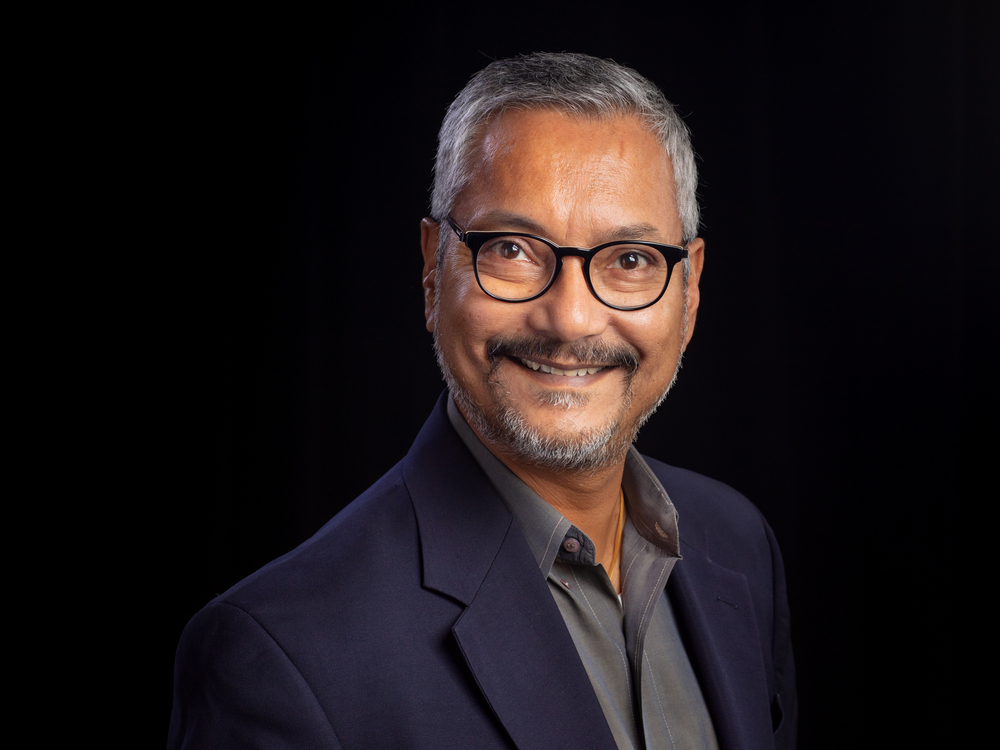
Budhu Bhaduri, Ph.D., is the chief data officer at Oak Ridge National Laboratory, where he leads the laboratory's enterprise-wide data and AI strategy to advance scientific discovery and operational excellence. He oversees data governance, stewardship, ethics, accessibility and risk management while supporting AI-enabled and autonomous science initiatives.
Previously, he led interdisciplinary research and technology programs in geospatial science, artificial intelligence, machine learning, and high-performance computing supporting energy, environmental, national security, defense and intelligence missions. He also builds strategic partnerships among academia, industry, government and philanthropic organizations to accelerate innovation. Bhaduri is a fellow of the American Association for the Advancement of Science and the American Association of Geographers, and is a recipient of the U.S. Department of Energy Outstanding Mentor Award.
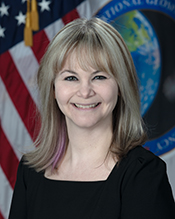
Rachael Martin is the program executive office director for advanced analytics at the National Geospatial-Intelligence Agency. She is responsible for overseeing the NGA Maven AI Program and the ASPEN Major System Acquisition for Analytic Workflow Modernization, focusing on accelerating technology modernization to support mission outcomes. In her previous role, Martin served as the director and program manager for the NGA Maven Office, where she was the agency’s chief proponent for setting the strategic vision and execution of Maven operations on behalf of NGA, and oversaw the transition of Project Maven from pathfinder to the first AI program of record in 2023. During her tenure, she accelerated insight delivery speeds, refined the precision and efficiency of GEOINT AI, and enhanced enterprise capabilities to support combatant commands and military services. Martin joined NGA in January 2021 as the leader of its AI, Automation, and Augmentation Office.
Her prior experiences underscore her commitment to leveraging data, advanced analytics, and AI to transform the intelligence enterprise. Her many years of diverse assignments, including mission management, program management and oversight of all-source intelligence functions, strengthened her analytical knowledge to influence the Department of War (DoW) and Intelligence Communities Artificial Intelligence, Automation and Augmentation applications to benefit the warfighter. Prior to her appointment as a defense intelligence senior leader she led a range of technology-focused programs. She managed the Business Process Transformation (BPT) Mission Initiative for the Joint Artificial Intelligence Center, underneath the DoW’s chief information officer (now the Chief Digital and AI Office). As BPT mission manager, Martin managed a range of activities related to AI capability development, in support of DoW and service functional business areas.
Martin also served as the program director for the Integrated Maritime Domain Awareness (iMDA) Program at the Office of Naval Intelligence (ONI), which supported ONI’s intelligence missions in fusion and analysis, collection management, and network integration. The office housed ONI’s Advanced Analytics Office (A2), employing maritime activity-based intelligence and innovative data analytics to fulfill U.S. Navy intelligence requirements. Earlier roles included managing the Middle East and Africa Naval Analysis Branch and directing advanced analytics within the Nimitz Operational Intelligence Center. Additionally, she served as an intelligence liaison and embedded analyst within the Intelligence Directorate (N2) at CNE-CNA-C6F in Naples, Italy, where she was the senior analyst on counter narcotics and maritime security and led Naval Forces Africa Intelligence engagements. Martin began her career as a Latin America counter-narcotics analyst, deploying worldwide to support Drug Enforcement Administration operations.
During her tenure at ONI, Martin has been fortunate to receive several accolades, including the DoW Meritorious Civilian Service Award, an ODNI Intelligence Community Award, and a Navy Group Meritorious Service Award. She was previously a certified all-source defense analyst, and received the Intelligence Community Advanced Analyst Program Certification. Martin graduated with honors from Johns Hopkins University with a Master of Science in Government Analytics. She also has a Master of Arts in national security studies from American Military University and completed her B.A. at the University of Pennsylvania, with distinctions in international relations.
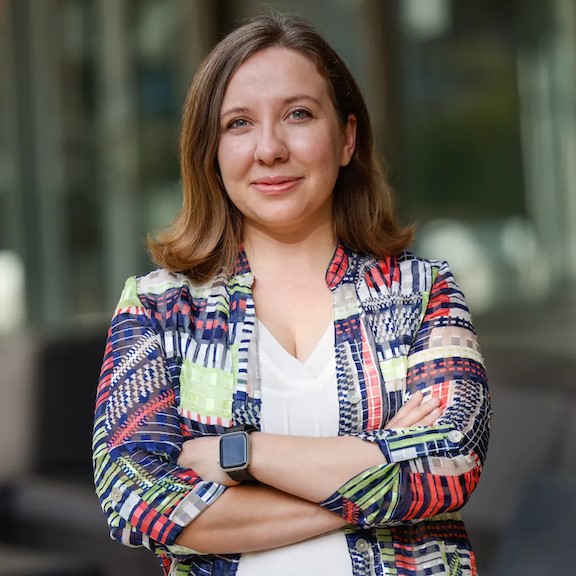
Abby Stylianou, Ph.D., is an associate professor of computer science at Saint Louis University, where she develops artificial intelligence systems that help people search and understand large collections of images and video. Her recent research focuses on multimodal and agentic search: systems that combine images, video, natural language, and human feedback to produce more useful and adaptable results.
A major focus of her work is TraffickCam, an image-search system used by the National Center for Missing and Exploited Children to support investigations involving child sexual exploitation and human trafficking. More broadly, she develops computer vision and machine learning technologies for the public good, with applications in citizen science, agriculture, environmental monitoring and the built environment. She is especially interested in AI systems that are useful, understandable, responsible and designed around the needs of the people who use them.
Stylianou also serves in leadership and organizational roles for major computer-vision conferences and professional organizations, including CVPR, ICCV, ECCV, WACV, and the IEEE Technical Community on Pattern Analysis and Machine Intelligence.
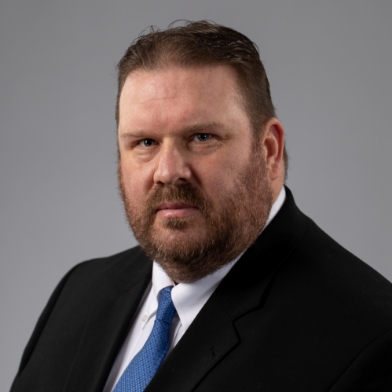
Steven Thomas is the senior vice president of strategic intelligence at Freedom Technology Solutions Group. With over 30 years of distinguished experience spanning the United States intelligence community and the Department of War, Thomas is a recognized leader in driving technological innovation and modernization for critical national security missions.
Throughout his career, he has successfully directed high-value government contracts and led multidisciplinary teams. His executive background includes pivotal roles such as director of advanced systems for Ball Aerospace & Technology Corporation, director of technical operations at NJVC, and program director at L3 Communications. He has overseen several significant program activities. He pioneered Ball Aerospace's first successful transition of GOTS mission software technology into a commercial software product listed on the Amazon Web Services Marketplace. He led the Collection Mission Management Application and Battlespace Visualization Initiative programs within the Joint Deployable Intelligence Support System.
Thomas foundational expertise is rooted in his tactical and strategic service within the United States Navy, where he served as an intelligence officer under the Naval Expeditionary Combat Command in the CENTCOM Area of Operations, and as a mission chief within the National Geospatial-Intelligence Agency’s Counter Terrorism Action Center. His career is defined by a proven track record of managing complex, multiyear modernization efforts, consolidating legacy mission systems, and engineering solutions that significantly optimized enterprise capabilities focused on mission outcomes. Thomas holds a Bachelor of Arts in Philosophy as well as an MBA.
Quantum Intelligence: The Next Frontier in Geospatial Science
Quantum technologies are poised to redefine remote sensing, computing and secure communications. This panel examines the emerging role of quantum intelligence in GEOINT, including quantum sensing, positioning, and encryption, and how these capabilities may reshape national security, geospatial analytics, and global intelligence frameworks.
Speakers
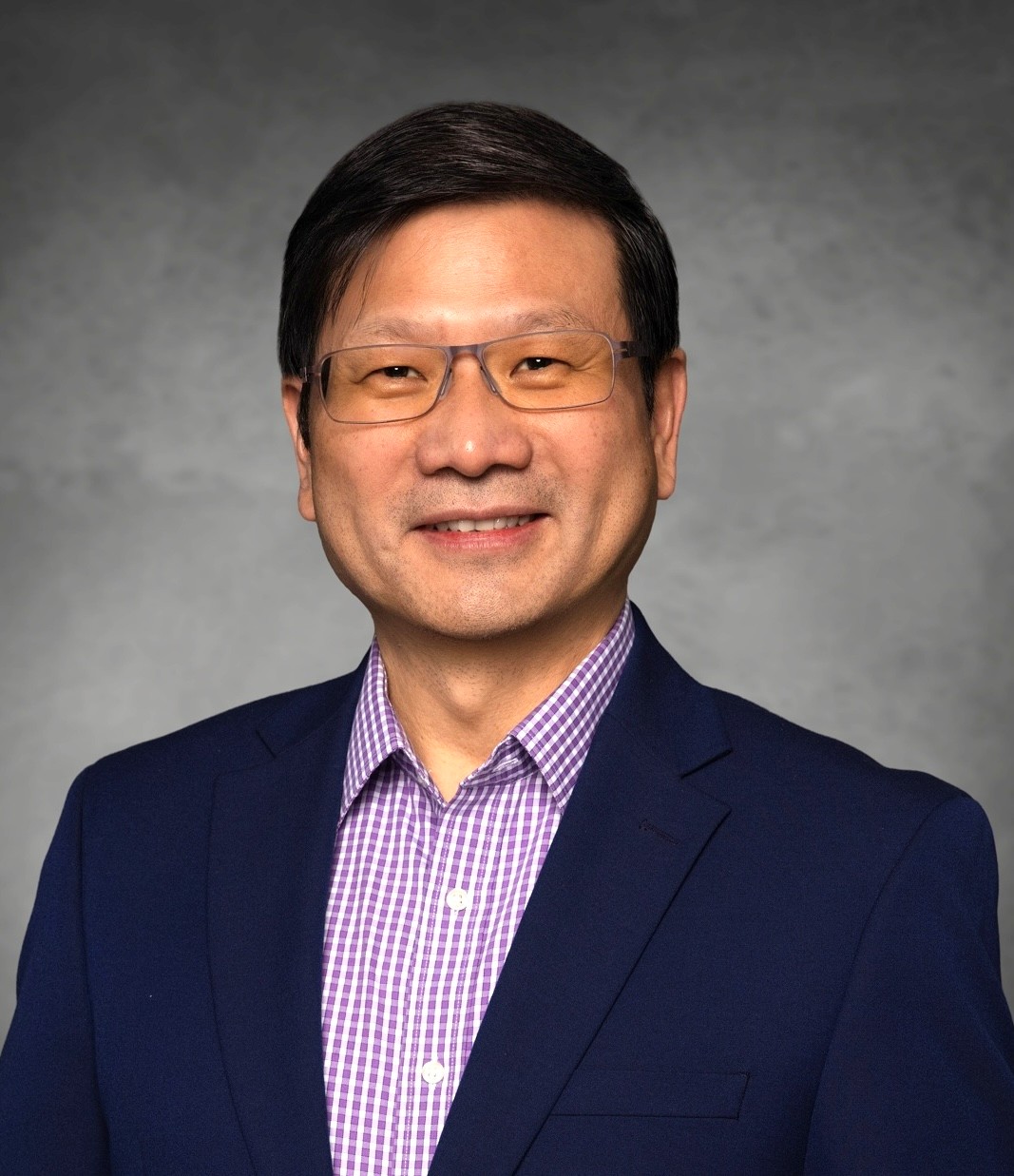
Chi-Ren Shyu, Ph.D., is associate dean for graduate education and strategic initiatives in the College of Engineering, director of the MU Institute for Data Science and Informatics, and founding Executive Committee chair of the Quantum Innovation Center (QIC) at the University of Missouri. Mizzou QIC is one of 35-plus IBM Quantum Innovation Centers worldwide and serves as a regional hub for advancing quantum research, workforce development, and collaboration among academia, government and industry. Shyu leads university-wide initiatives that bring together faculty and students across disciplines to explore quantum applications in artificial intelligence, life sciences, cybersecurity, optimization, and geospatial analytics.
His research related to GEOINT includes visual knowledge discovery, GeoAI, quantum machine learning, and CyberAI for secure and resilient quantum computing. He is also leading the development of a graduate certificate in quantum information and computing, complemented by online training programs designed to upskill working professionals and prepare the next generation of the quantum workforce.
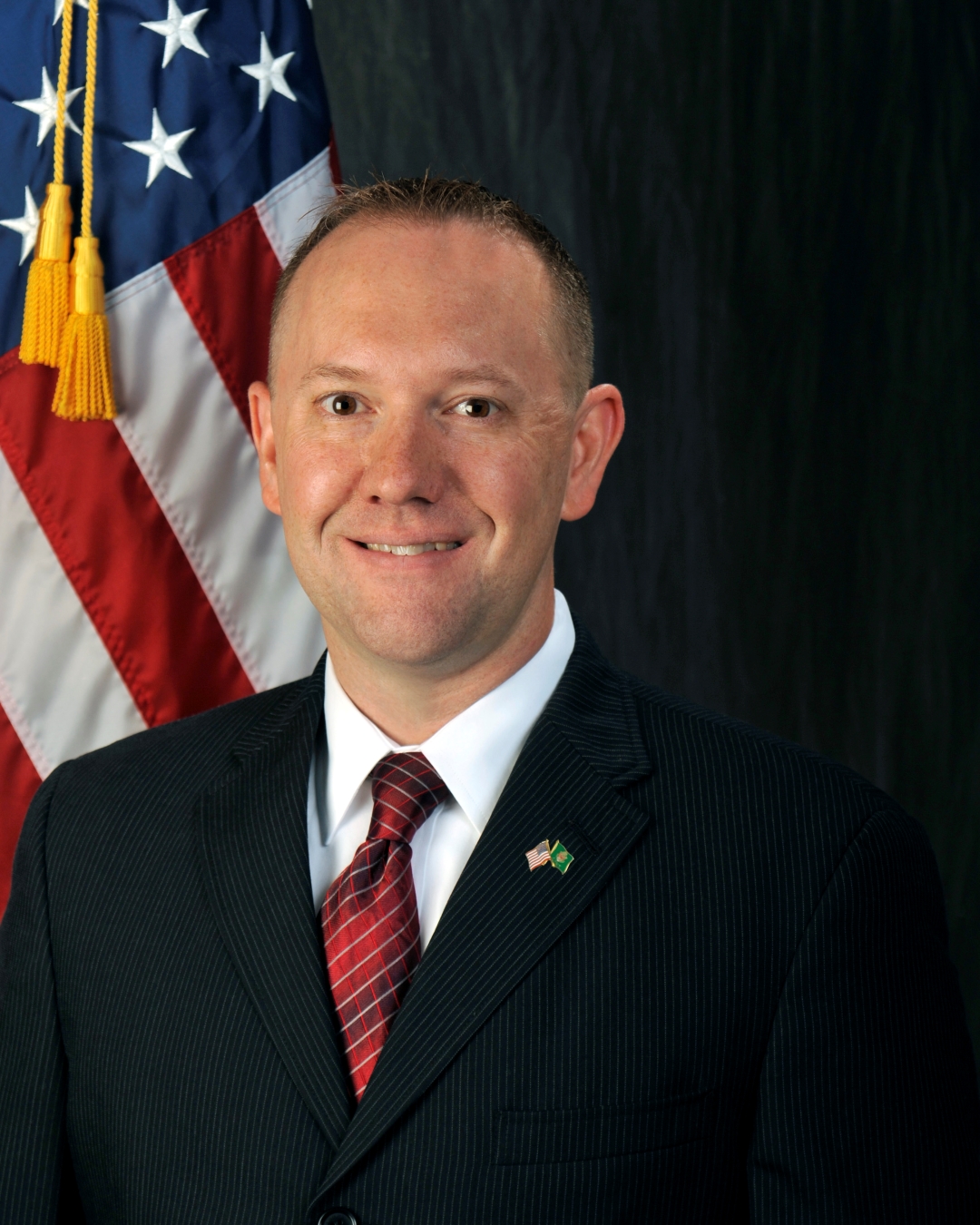
Christopher M. Parrett, Ph.D., serves as the director, Rapid Capabilities Office, within Geospatial Intelligence (GEOINT) Innovation and Research at NGA.
He leads the rapid acquisition of emerging GEOINT capabilities and accelerated fielding in support of the agency's priority missions.
Parrett previously served as the director, Analytic Technologies Office, for NGA Research and Development, where he led research into artificial intelligence, machine learning, and cutting-edge geospatial technology advancements. In his first assignment with NGA, he was the GEOINT mission manager for targeting and military issues — the principal advisor to the GEOINT functional manager on matters pertaining to the integration of targeting and foundational military intelligence.
Parrett began his career in 1998 as a computer engineer supporting the National Air and Space Intelligence Center, Wright-Patterson Air Force Base (WPAFB), Ohio. In 2004, he joined federal service with the U.S. Army Intelligence and Security Command, where he served in analytic and leadership roles across several commands. These organizations included the 704th Military Intelligence (MI) Brigade (WPAFB, OH), 66th MI Brigade (Darmstadt, Germany), and the National Ground Intelligence Center (Springfield, Virginia). In 2018, Parrett joined the Army staff as the senior GEOINT lead for the Office of the Deputy Chief of Staff, G-2, at the Pentagon (Arlington, Virginia).
Parrett holds a Bachelor of Science degree in Computer Science and Engineering from The Ohio State University (1998); a Master of Arts in Strategic Intelligence from the American Military University (2004); a Master of Geographic Information Systems from Pennsylvania State University (2014); and a Doctor of Philosophy in Computational Social Science from George Mason University. He is a certified geospatial information system professional in Virginia and a certified GEOINT professional-imagery analyst and geospatial analyst. Parrett is the recipient of three Army Superior Civilian Service Medals and MI Corps Knowlton Award. He lives in northern Virginia with his wife and two sons.
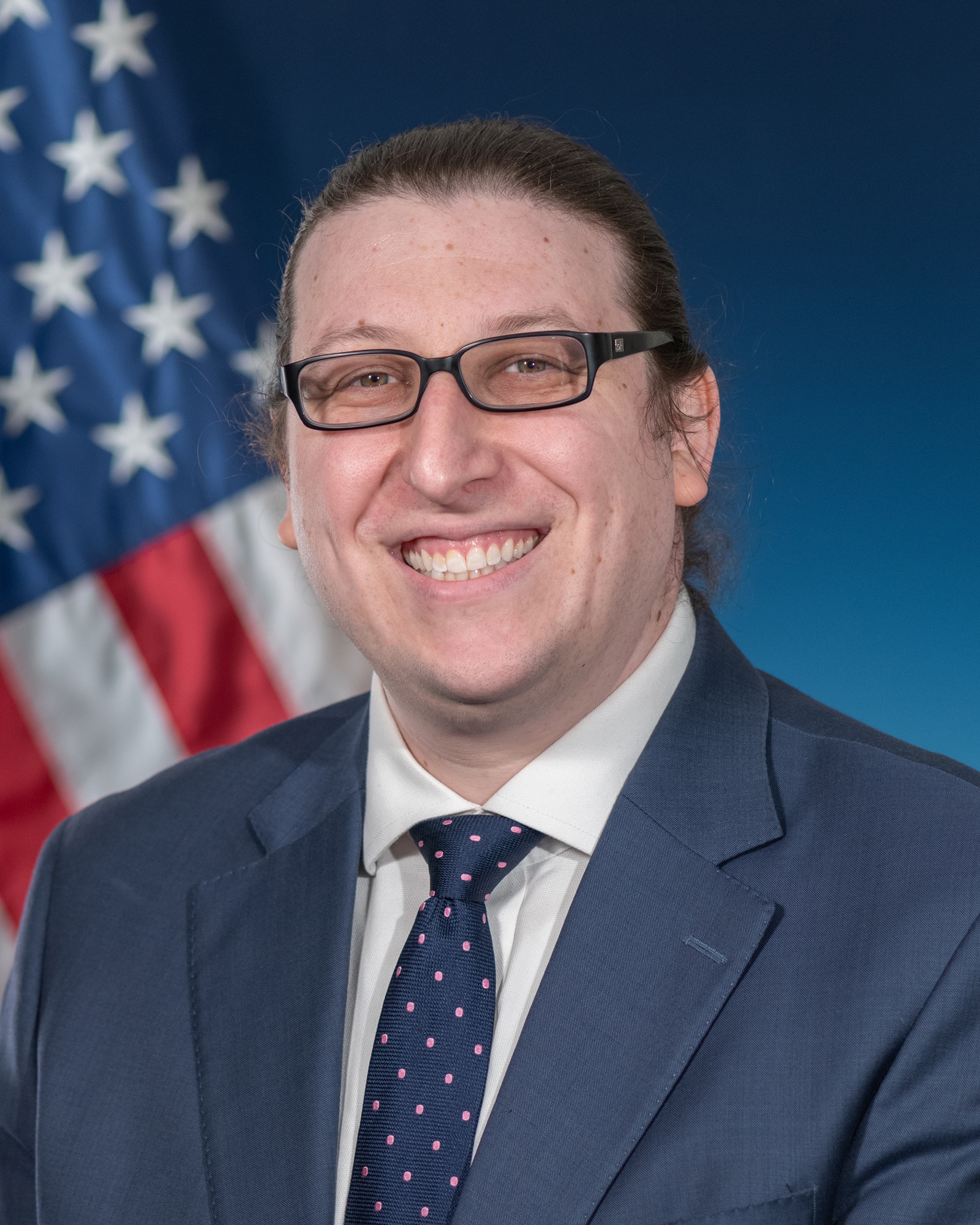
Jonathan Hoffman, Ph.D., is the deputy director of the Multi X Office (MXO). His research interests include quantum sensing and information science, PNT, optics, and photonics. He joined DARPA in November 2021 as a program manager.
Previously, Hoffman was a research scientist at the U.S. Army Combat Capabilities Development Command’s (DEVCOM) Army Research Laboratory (ARL). At ARL, he co-developed the Low-Cost Chip-Scale Atomic Clock (LC CSAC) program and was the Army IPT lead on the Next Generation DoD Atomic Clock (NGAC) program.
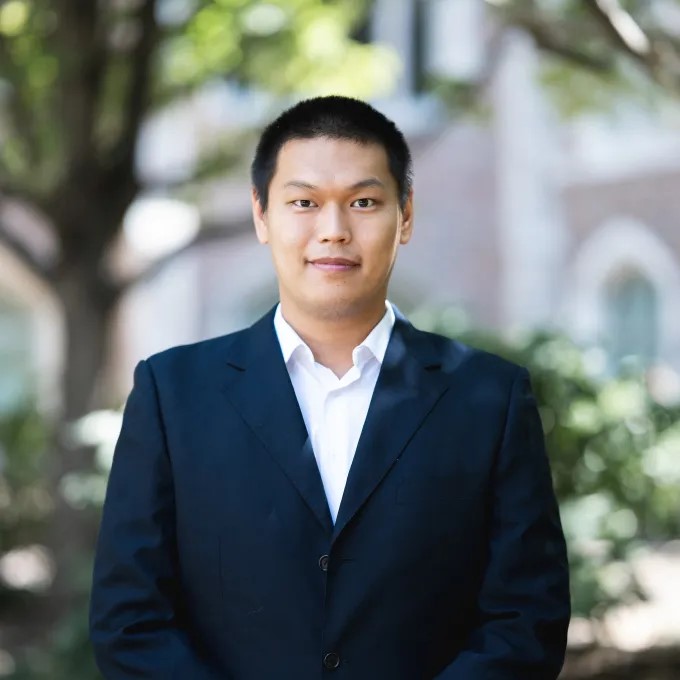
Chong Zu is an assistant professor of physics at Washington University in St. Louis and a key member of WashU's Center for Quantum Leaps. His research focuses on quantum sensing, particularly using solid-state spin defects in diamond and related materials to develop highly sensitive platforms for measuring magnetic fields, temperature, pressure and other physical quantities. His group advances quantum sensors for applications spanning materials science, biomedical imaging, geology, agriculture and magnetic anomaly detection. He is also developing new approaches to improve the sensitivity, scalability and real-world deployment of quantum-sensing technologies.
Industry Insights
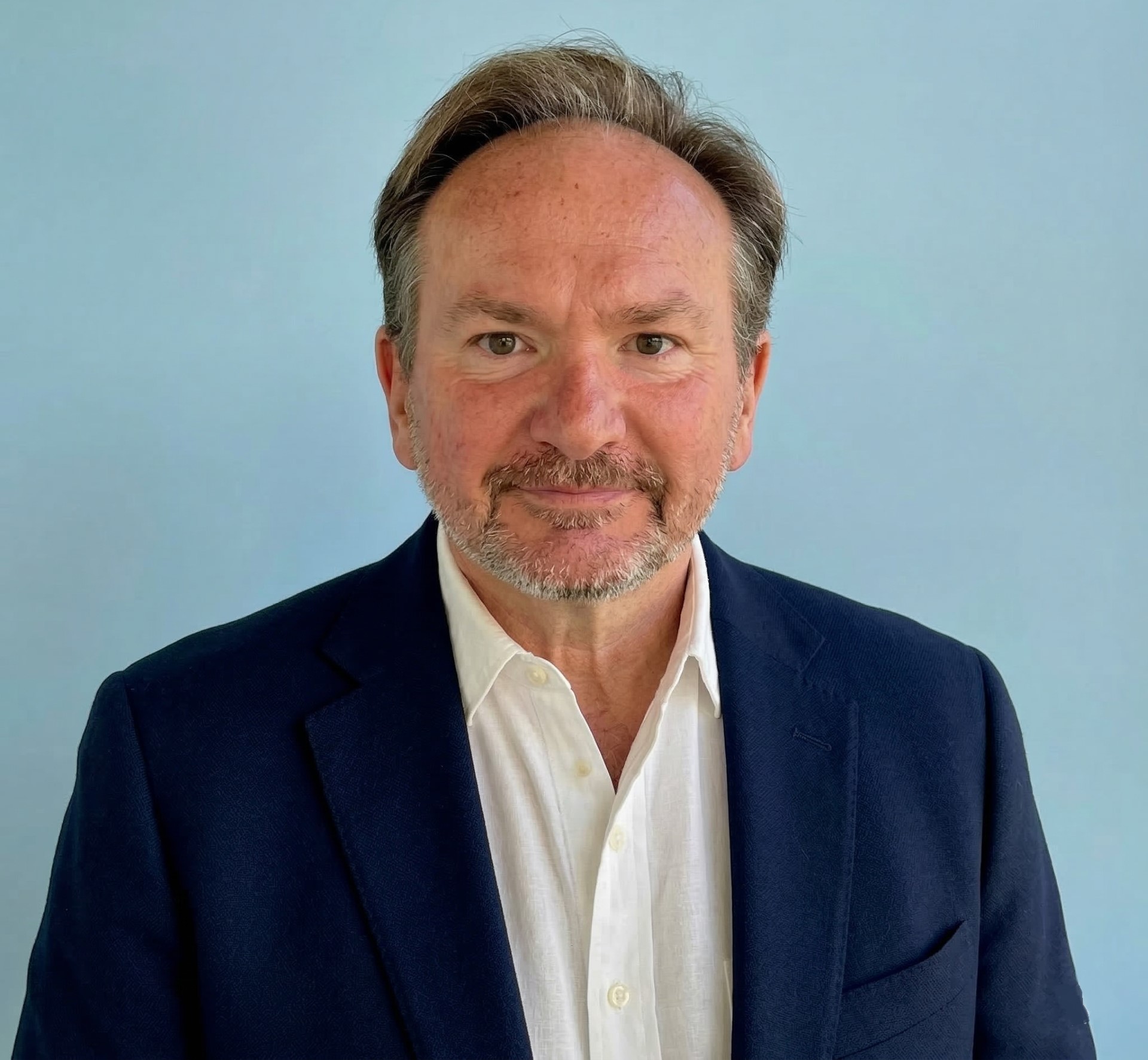
Mark Munsell leads GeoSTL, a nonprofit effort to expand the geospatial technology ecosystem in St. Louis. Previously, he held jobs as the National Geospatial-Intelligence Agency’s chief artificial intelligence officer, director of digital innovation, NGA’s chief technology officer and the deputy director of the chief information officer – IT Services Directorate, where he managed a multibillion-dollar development budget. In all of these roles, Munsell facilitated innovative development aimed at transforming and modernizing software engineering and artificial intelligence technology to better serve its mission partners, as well as overseeing and streamlining IT-related capabilities and services.
Munsell is a St. Louis native who began his federal career with the National Oceanic and Atmospheric Administration, where he received the Department of Commerce Bronze Medal for his work on nautical charting software. In 1996, he transferred to the Defense Mapping Agency (DMA) in St. Louis. He left DMA in 1997 and co-founded a software engineering company specializing in online flight and maritime planning called IMAPS in 2000, which he sold to SAIC in 2005. He returned to government service with the NGA in 2006 and has held several senior executive leadership roles, including leading the DoD’s flagship AI program, Maven. In his spare time, he writes science fiction and released The Shadow Ephemeris in 2026.
Munsell is the recipient of the Presidential Rank Award and three NGA Distinguished Civilian Medals, the Department of Commerce’s Bronze Medal, various Department of Defense medals, and – for the record – is not a member of the Flat Earth Society.
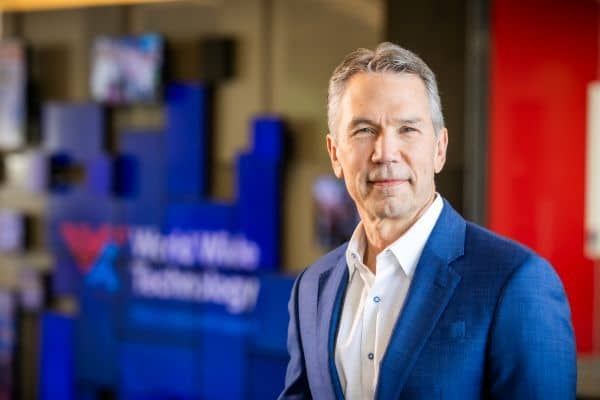
A visionary and inspiring leader, Jim Kavanaugh co-founded World Wide Technology in 1990 and serves as CEO — steering the company from its roots as a small startup into a global technology solution provider that helps organizations conquer the speed and complexity of technology, harness the power of digital transformation, and make a new world happen.
Kavanaugh is globally recognized as an innovative business executive and is renowned for his inclusive, people-first leadership style. His emphasis on promoting a healthy, vibrant workplace has anchored WWT's award-winning culture, while his savvy business acumen has propelled the company's substantial growth.
Kavanaugh leads WWT's 18-person executive team and focuses on technology innovation — for both WWT and its customers and partners — long-term planning, strategic acquisitions, financial performance, employee development and workplace culture. Under his leadership, WWT has grown into a multibillion-dollar company with approximately 14,000 employees globally that is a great place to work for all and is a key business enabler to 80+ of the Fortune 100 companies.
His values-driven approach and emphasis on the health and well-being of WWT's employees earned him a place on Glassdoor's most highly rated CEOs during the COVID-19 pandemic. Glassdoor also named Kavanaugh as one of the 25 best CEOs in America in 2021.
Deeply committed to giving back to the community, Kavanaugh's charitable work has also been heralded. He serves as a member of the American Cancer Society's CEOs Against Cancer of Missouri - St. Louis Chapter and led a $9.1 million capital campaign, enabling the organization to renovate and remodel Hope Lodge St. Louis, a free home away from home for patients and their caregivers, which was renamed the World Wide Technology Hope Lodge in 2020. Additionally, Kavanaugh supports many local and national charitable organizations such as ALS Association, St. Baldrick's Foundation, Toys for Tots, Cardinal Glennon Children's Hospital, Junior Achievement and United Way.
Kavanaugh is an investor and board member of cybersecurity firm Privoro, a board member of Stifel Financial Corporation and a member of Business Roundtable.
Kavanaugh earned a Bachelor of Science in Business Administration from Saint Louis University and is a member of the University's Smurfit-Stone Entrepreneurial Alumni Hall of Fame. He has also been a trustee of the board for SLU since 2010.
Prior to co-founding WWT, Kavanaugh played professional soccer — he represented the United States on the men's national team in the 1984 Summer Olympics in Los Angeles — and credits his experience with sports for instilling in him several principles that serve as core values for WWT today, such as trust, passion and being a team player. Kavanaugh is an investor/owner of Major League Soccer franchise St. Louis City SC and National Hockey League team St. Louis Blues.
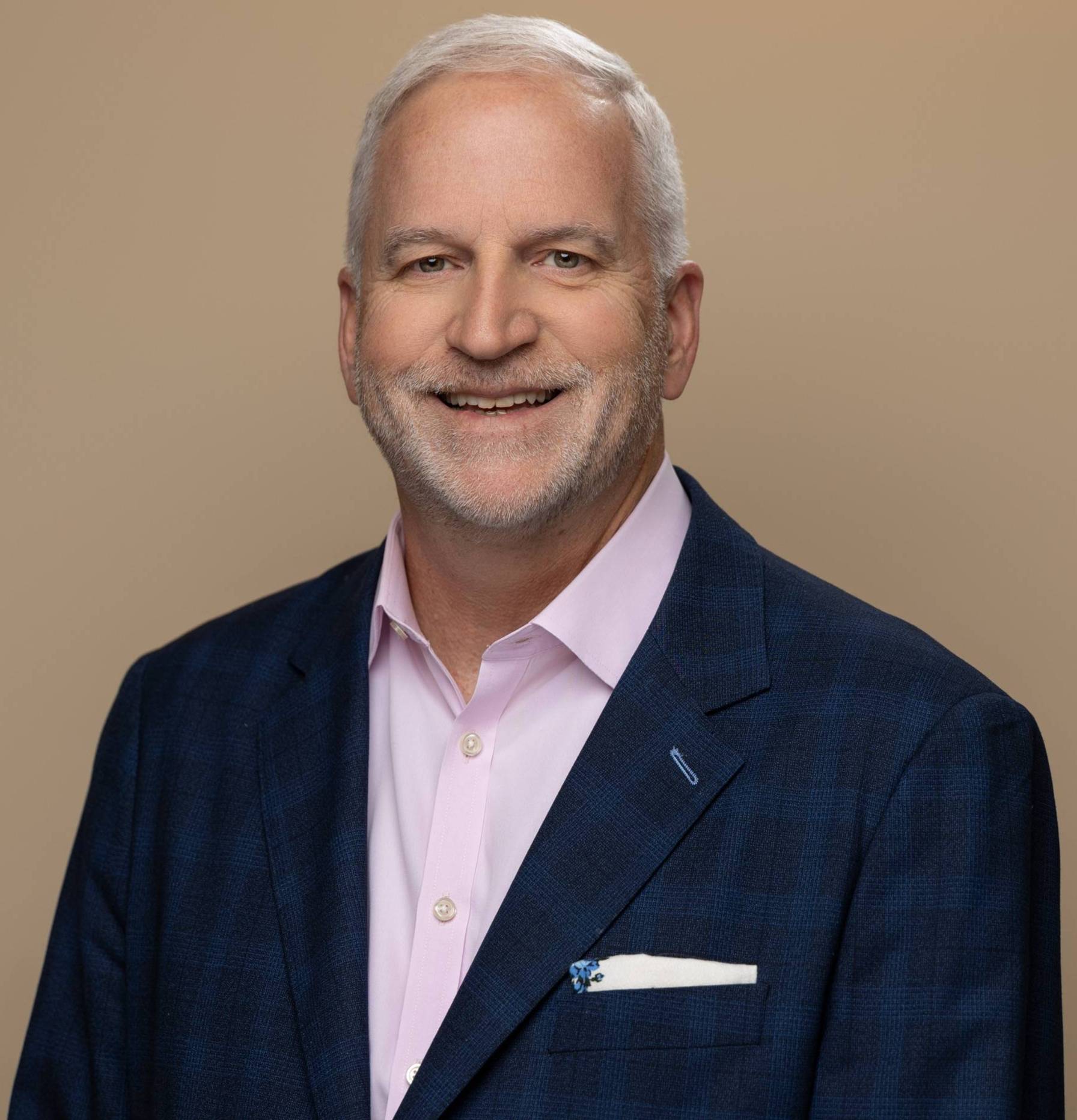
Robert Cardillo is president of The Cardillo Group, LLC, a strategic consultancy he founded in 2019 dedicated to the growth and development of U.S. and allied national security. He serves as executive chairman of IonQ Federal (NYSE), chairman of the board of Planet Federal (NYSE), and an independent director of RAIC. His advisory roles include Beacon Global Strategies, NEC, and Peraton. Robert’s nonprofit roles include chairman of the U.S. Geospatial Intelligence Foundation Board of Directors and the Taylor Geospatial Board of Directors in St. Louis, as well as advising the Center for Strategic and International Studies, the National Security Space Association and the Special Competitive Studies Project.
Cardillo served as the sixth director of the NGA until 2019, leading the agency's transformation through partnerships with the commercial geospatial industry. He was the first deputy director for intelligence integration at ODNI from 2010 to 2014, where he managed and delivered the President's Daily Brief for over 1,400 editions, and deputy director of the Defense Intelligence Agency from 2006 to 2010, including a term as the first civilian acting J2 supporting the chairman of the Joint Chiefs of Staff. He is the only person to have led analytic operations at four U.S. intelligence community organizations: ODNI, DIA, NGA and the Joint Chiefs.
Robert holds a Bachelor of Arts in Government from Cornell University and a Master of Arts in National Security Studies from Georgetown University.
Workforce Transformation: Building the Next Generation of GEOINT Leaders
As GEOINT rapidly evolves, so must the workforce. This panel focuses on strategies to develop a future-ready, AI-enabled workforce through interdisciplinary education, industry partnerships, and innovative training pathways.
Discussions will highlight emerging skill sets at the intersection of GeoAI, quantum technologies, and geospatial science, as well as approaches to scaling talent pipelines from K–12 through professional development. The panel will also explore how to expand access to AI knowledge, tools, and training, and how to build capacity to close the gap between today’s education systems and the demands of an AI-driven future.
Speakers
Former Director of the National Geospatial-Intelligence Agency
Vice Admiral Bob Sharp, U.S. Navy (Ret.) served as the director of the National Geospatial-Intelligence Agency, one of our nation’s premier intelligence agencies, from February 2019 until June 2022.
Sharp served as a naval intelligence officer for over 34 years, and as a leader within the Navy’s Information Warfare Community since its inception. He has decades of leadership experience in the intelligence, defense, and national security arenas.
He is known for his extensive experience developing and motivating cohesive teams to solve complex problems in dynamic situations. He and his team leveraged the global pandemic challenges as an opportunity to reimagine and improve business processes, helping his agency emerge stronger, more agile, and more human from the experience.
Sharp is currently the CEO of B Sharp – Global Solutions, doing a combination of consulting, advisory board and fellowship work focused on helping people who are trying to make the world a better place succeed. He is a fellow with the University of Missouri--St Louis (UMSL), an active member of their Geospatial Collaborative team, and a co-chair of the GeoSTL Talent Committee. His passion remains helping to grow and inspire leaders for our collective future.
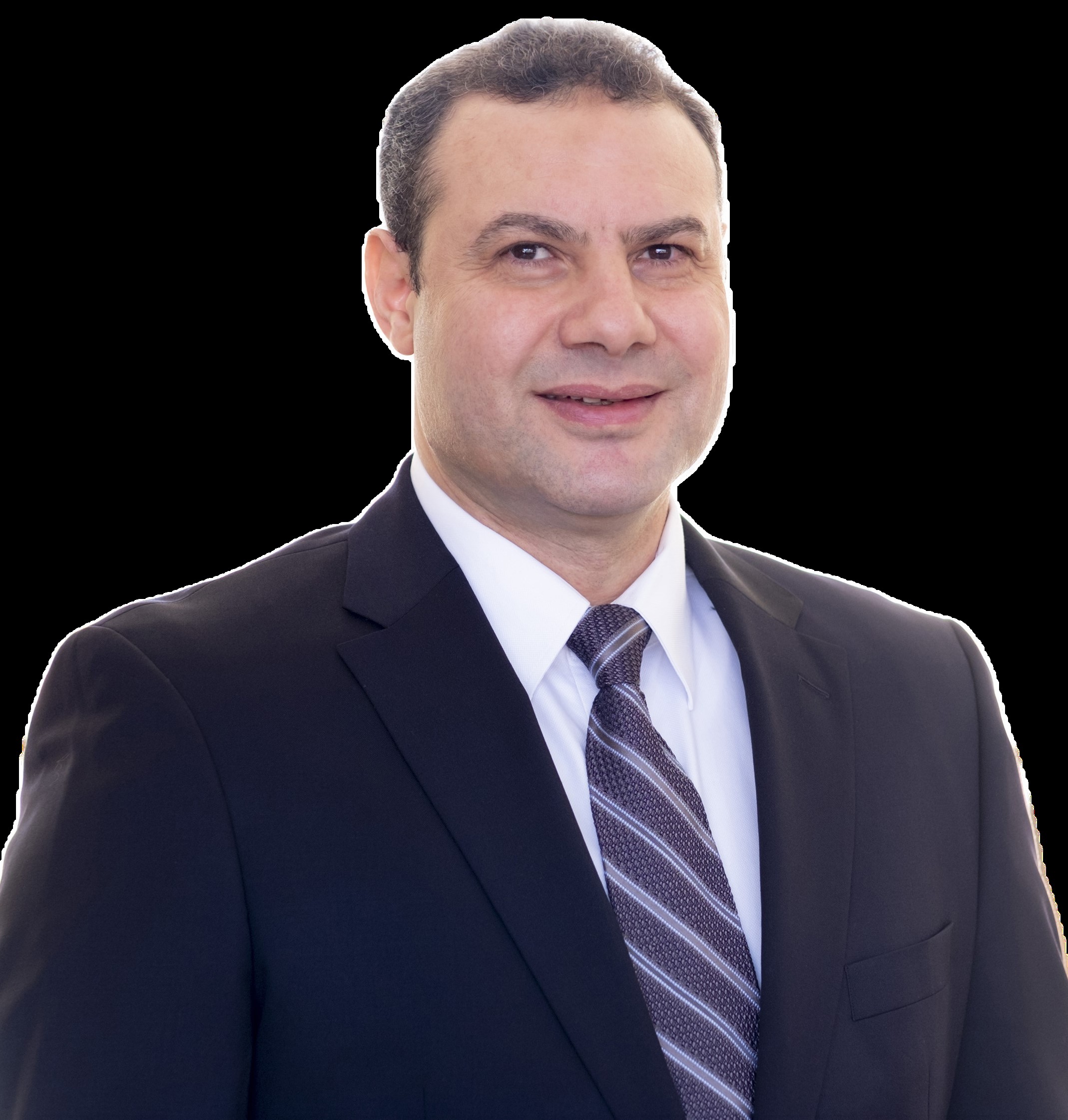
Reda Amer, Ph.D., is the founding director of the University of Missouri–St. Louis Geospatial Collaborative and associate professor of computer science at UMSL. With more than 25 years of experience in geospatial science, GeoAI, remote sensing, and geospatial intelligence, he leads interdisciplinary initiatives that advance research, education and workforce development by fostering collaboration among academia, government and industry. Amer has founded multiple interdisciplinary academic programs in geospatial science and established strategic partnerships that foster innovation, experiential learning, and workforce development. His research focuses on advancing the integration of AI with geospatial technologies to address challenges in environmental monitoring, infrastructure resilience, Earth observation, and spatial decision support.
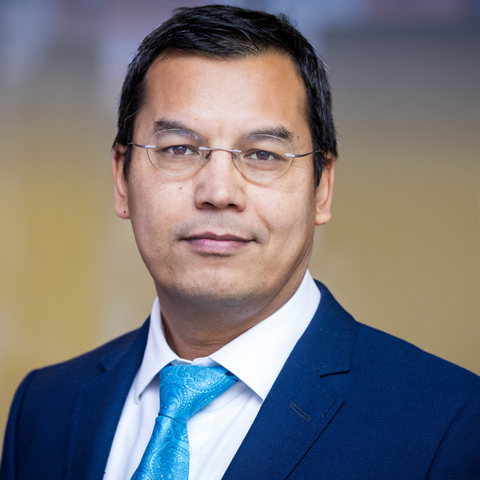
Vasit Sagan, Ph.D., is professor of geospatial science and computer science, director of the Saint Louis University Geospatial Center, and SLU site director for the NSF-IUCRC Center for Accurate Georeferencing of the Environment. He previously served as the founding and acting director of the Taylor Geospatial Institute (TGI), where he led the consortium's launch and helped establish it as one of the nation's premier geospatial research institutes.
An internationally recognized scholar in remote sensing, artificial intelligence, computer vision, and digital agriculture, Sagan has secured more than $60 million in competitive research funding as principal investigator or co-principal investigator and has authored over 150 peer-reviewed publications. His pioneering research focuses on developing advanced geospatial and AI-driven solutions to address critical challenges in agriculture, natural resource management, and food and water security. His work has received numerous honors, including the Outstanding Scientist Award from the Academy of Science-St. Louis and multiple outstanding publication/research paper awards recognizing significant contributions to geospatial science and remote sensing.
Sagan has mentored 25 doctoral students, 35 master's students, and 16 postdoctoral researchers, while serving on numerous dissertation committees and advancing workforce development in geospatial science and artificial intelligence. Beyond academia, he plays a prominent leadership role in the national geospatial community. He serves on the U.S. Department of the Interior's National Geospatial Advisory Committee, previously chaired its Subcommittee on Geospatial Excellence and Innovation, and currently co-chairs the Landsat Advisory Group. Through these roles, he contributes to shaping national geospatial strategy, science priorities, and funding initiatives. He also serves as an associate editor of the ISPRS Journal of Photogrammetry and Remote Sensing, one of the world's leading journals in geospatial science.
Sagan is widely recognized for advancing the integration of geospatial technologies, artificial intelligence, and remote sensing to generate actionable insights that support scientific discovery, economic development and informed decision-making at local, national and global scales.
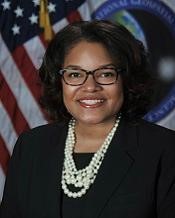
Treva D. Smith serves as the director of the National Geospatial-Intelligence College (NGC) in the Human Development Directorate, National Geospatial-Intelligence Agency (NGA). Building on her experience as deputy director, NGC, Smith leads NGC in advancing GEOINT and leadership training to meet current and future needs.
From 2018 until 2021, Smith was the director of the Corporate Services Office for the Source Operations and Management Directorate. Ensuring organization and operational effectiveness, she provided the leadership of timely and accurate mission enabling corporate business services, through strategic planning, corporate communications, PPBE processes, staff management and source tradecraft and training. Previously, Smith was the director of workforce and management services, Human Development Directorate, where she led human resource management for the agency, offering advisory and operational services for employee relations, benefits, awards and recognition, workforce flexibilities, medical services, wellness programs, performance management and HR teams that specifically support NGA directorates.
Before joining NGA, she held positions with the Department of the Army, Defense Intelligence Agency and Department of Justice, U.S. Marshals Service.
With over 35 years of federal service, Smith is an experienced leader and has received numerous awards and recognitions throughout her career. She earned both her Bachelor of Arts in Human Relations and Master of Science in Organizational Development from Trinity University, District of Columbia. Smith is a member of the Junior League of Washington, D.C., and Alpha Kappa Alpha Sorority, Incorporated.
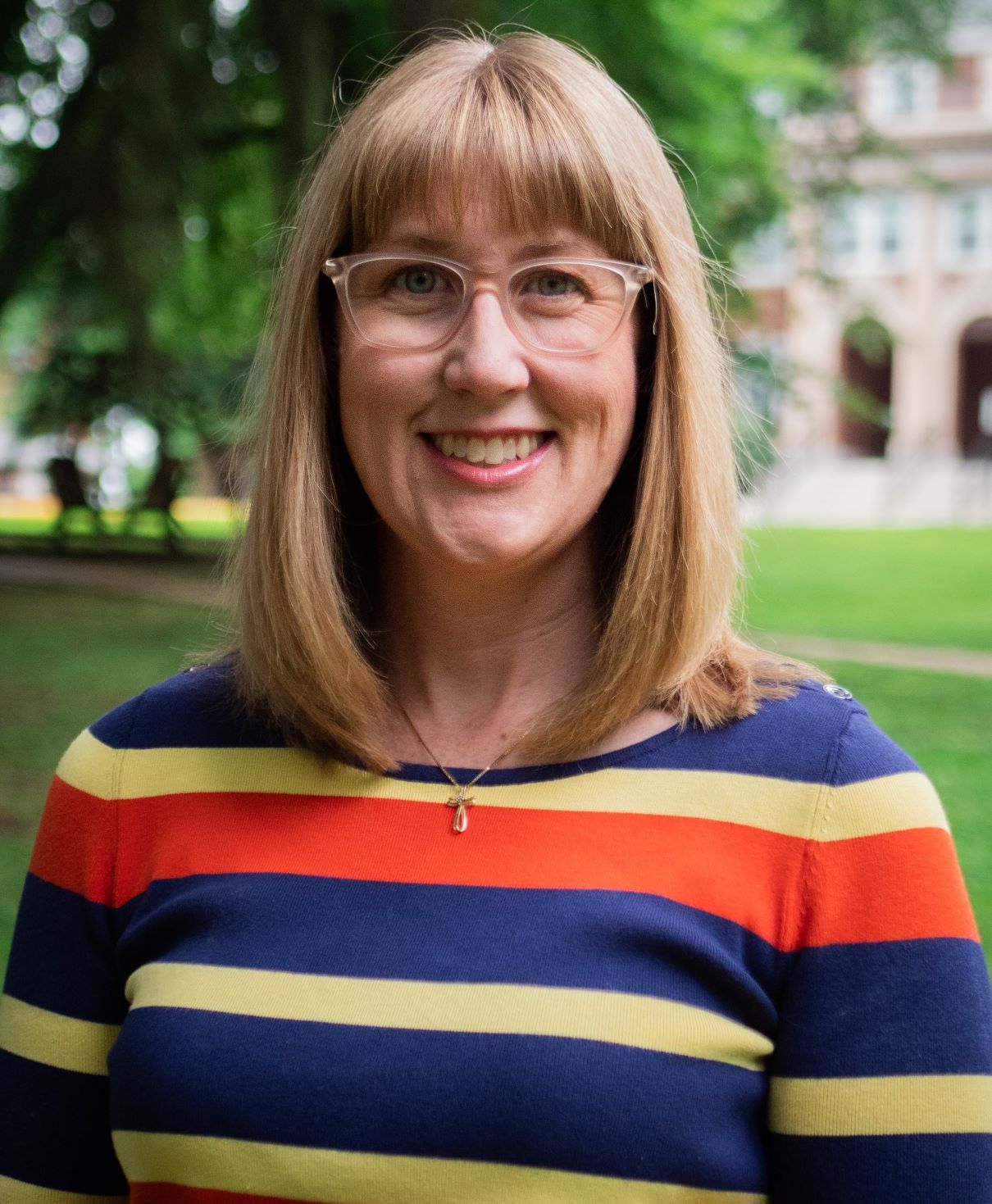
Tara Vansell is the senior instructor of geographic information systems at Lindenwood University. Her classes focus on teaching GIS as a value-added skill set to all students of majors and disciplines.
Her research concentration examines best practices for integrating GIS and VR technologies for student learning and engagement. Beyond the classroom and lab, she is active in the St. Louis geospatial community as a member of the United States Geospatial Intelligence Foundation’s Education Working Group and as the education chair for the Missouri GIS Advisory Council.
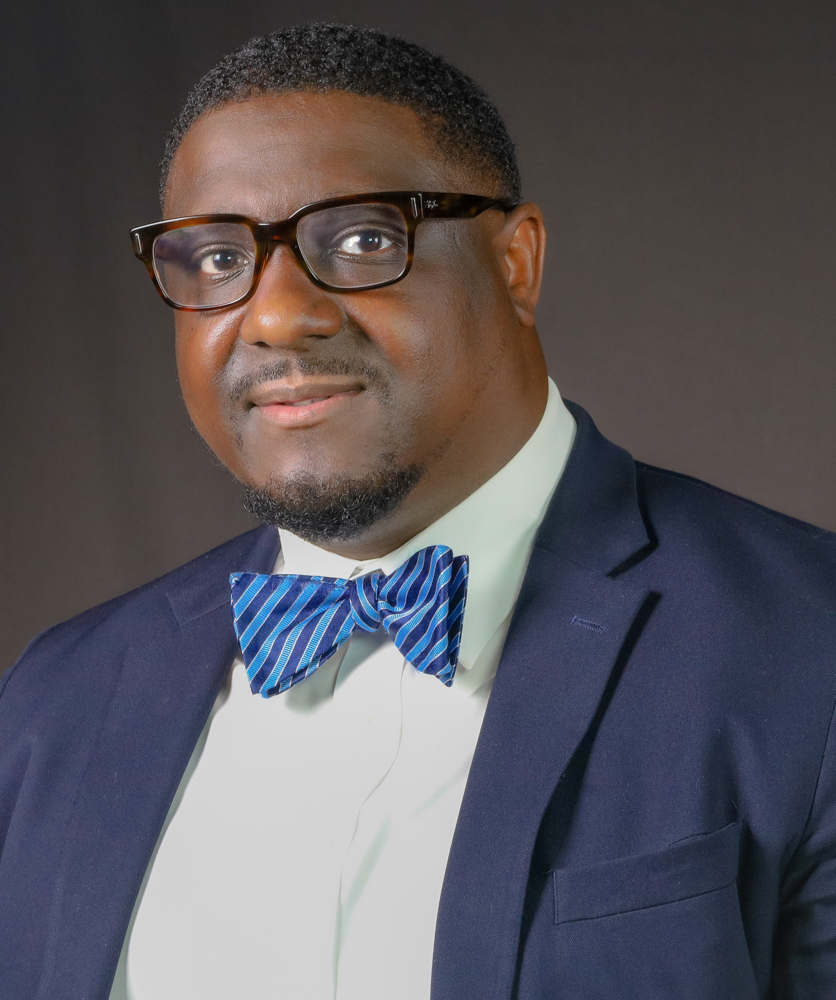
Freddie E. Wills Jr., Ph.D., is a visionary leader passionate about higher education administration, student achievement, and organizational culture and structure. Wills has a wealth of knowledge about theories and practices that intersect academics, student affairs, workforce development, and administration in higher education. He has demonstrated accomplishments in enrollment management, student success, grant administration, fundraising and partnership development.
Additionally, he has achieved advancements in strategic implementation, diversity and inclusion, entrepreneurship and innovation. Possessing extensive experience in shared governance, accreditation and administration, Wills has a robust acumen for higher education leadership.
Currently, Wills serves as vice president for STEM initiatives and research partnerships at Harris-Stowe State University, where he also administers several National Science Foundation grants as a principal investigator.
During his 27-year higher education career, Wills has served as assistant dean for strategic implementation at Washington University in St. Louis and held leadership roles at St. Louis College of Pharmacy (now known as University of Health Sciences and School of Pharmacy) where he was promoted to director of diversity.
Wills earned a Bachelor of Arts in Communications from Southwest Baptist University, a Master of Arts in Media Communications from Webster University, and a Doctor of Philosophy in Higher Education Administration from Saint Louis University.
Featured Events
Student Mentoring Lunch with Career Exploration
11:45 a.m. to 1 p.m. (CDT): Local leaders from industry, academia and government will join students for a networking lunch to discuss geospatial career paths, the skill sets in demand, and how to establish a successful career in the geospatial field. Attendance at this event is by invitation only. Students and mentors can indicate their interest in attending in the registration form.
Student Poster Session
Each year, Geo-Resolution hosts an academic poster session to share the new, exciting research that is happening in geospatial across the United States. We welcome posters on a wide range of research topics as long as there is a geospatial aspect to the work. Whether your study uses location science as an analytic mapping tool or your research is breaking new ground in geospatial technologies, we want to highlight your work for the Geo-Resolution audience. Posters where the participant is listed as a co-author will be accepted. Posters do not have to be new and may be previously presented.
High school, undergraduate and graduate students are invited to create posters depicting the critical role of geospatial techniques in their research and become eligible to win cash prizes. Posters will be displayed during the conference. For more information, visit the poster session application form.