


About the University Counseling Center
The experienced counseling professionals at Saint Louis University's University Counseling Center provide care and consultation to SLU students.
Our SLU Counseling Center staff members are highly trained clinicians who can assist with a variety of issues, such as adjustment to college life, troubling changes in mood and chronic psychological conditions. We are fully accredited by the International Accreditation of Counseling Services (IACS).
University Counseling Center Leadership
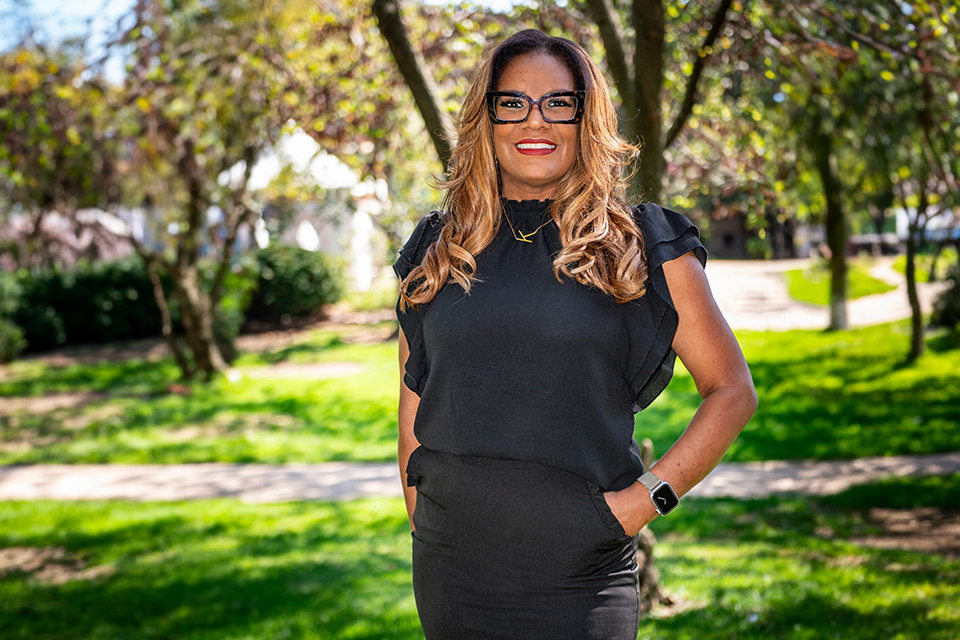
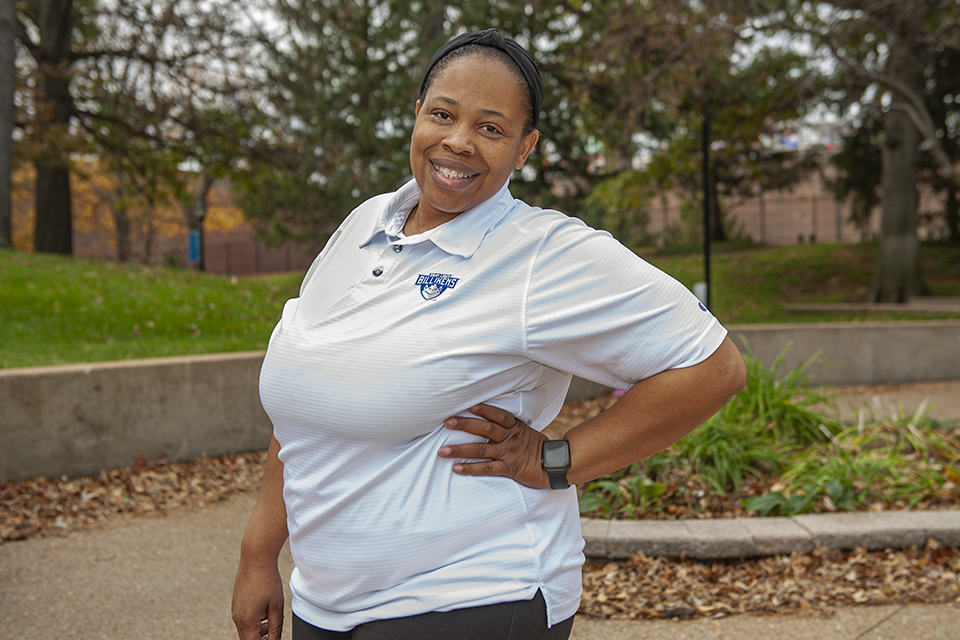
Knieba Jones-Johnson
Director, University Counseling Center
Knieba Jones-Johnson is a licensed marriage and family therapist and clinical supervisor with more than 25 years in the counseling field, specifically working with marginalized communities and individuals impacted by complex trauma.
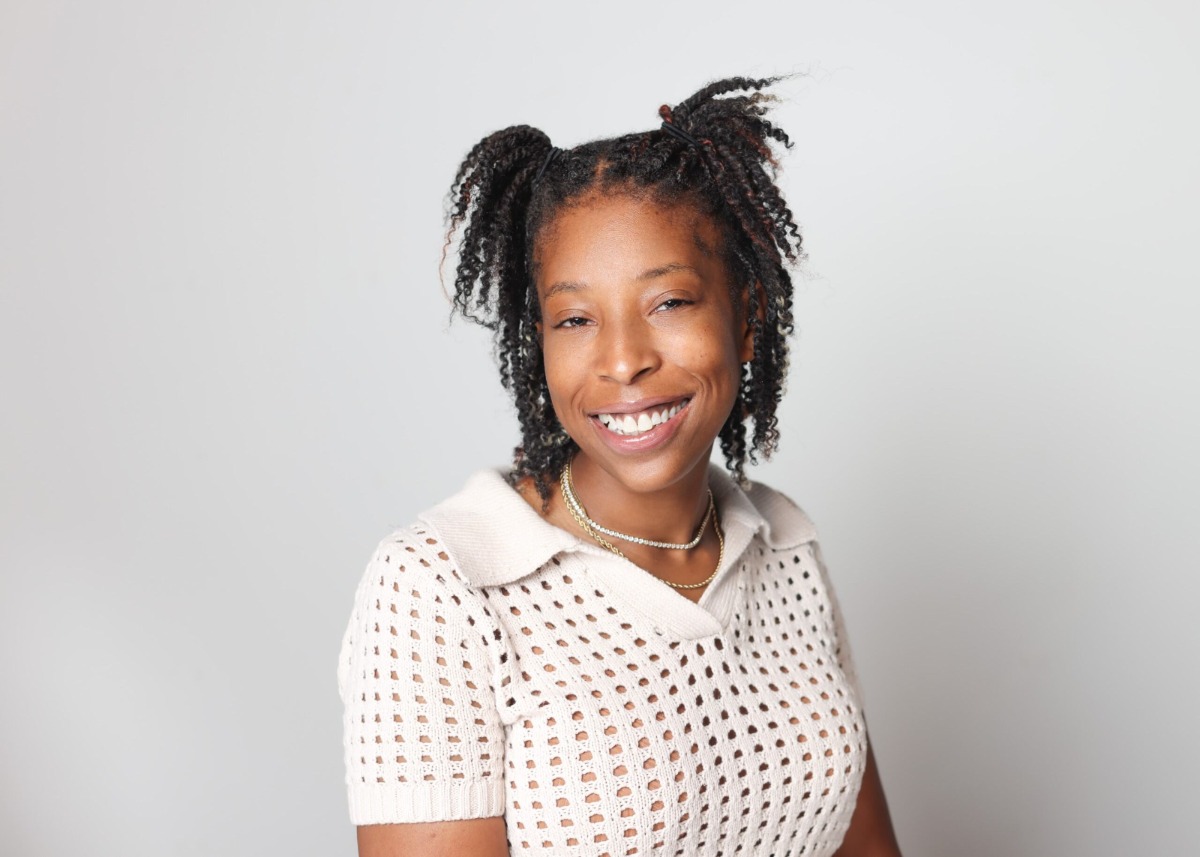
Taquera Walker
Associate Director, University Counseling Center
Taquera’s journey into mental health started in 2013, working at a youth mental health center. That experience took her into education in hopes of supporting the highest number of the most vulnerable students. After working as a school counselor, she moved into private practice therapy, eventually working as a clinical supervisor and outreach manager to champion access to equitable, culturally competent and therapeutic care.
University Counseling Center Providers
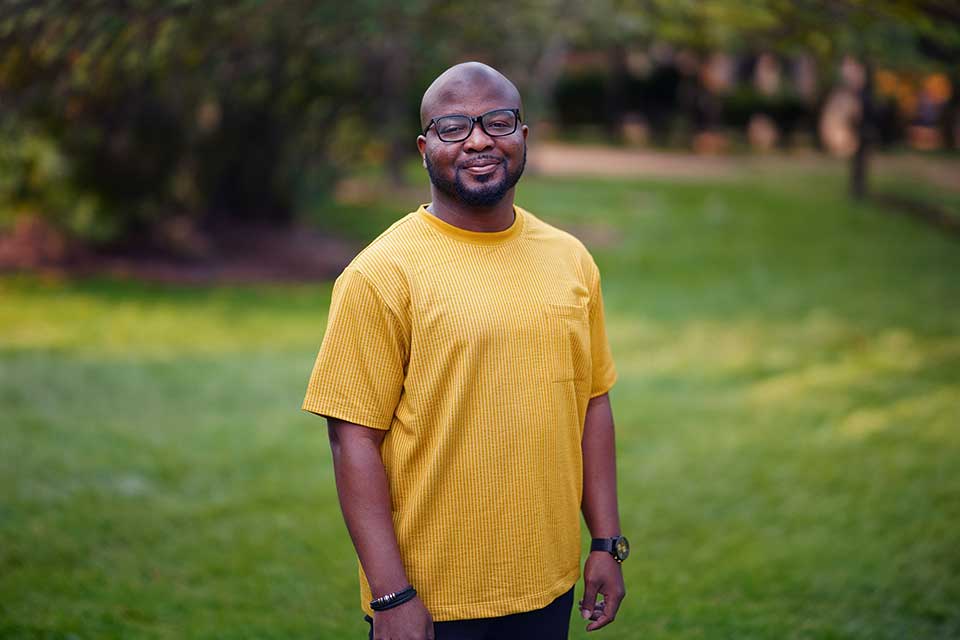

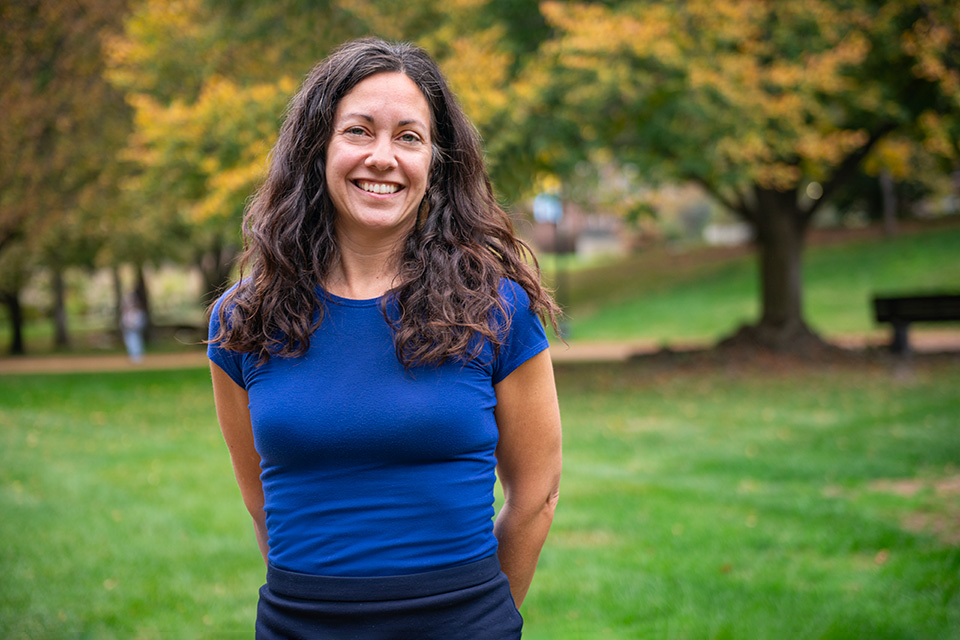
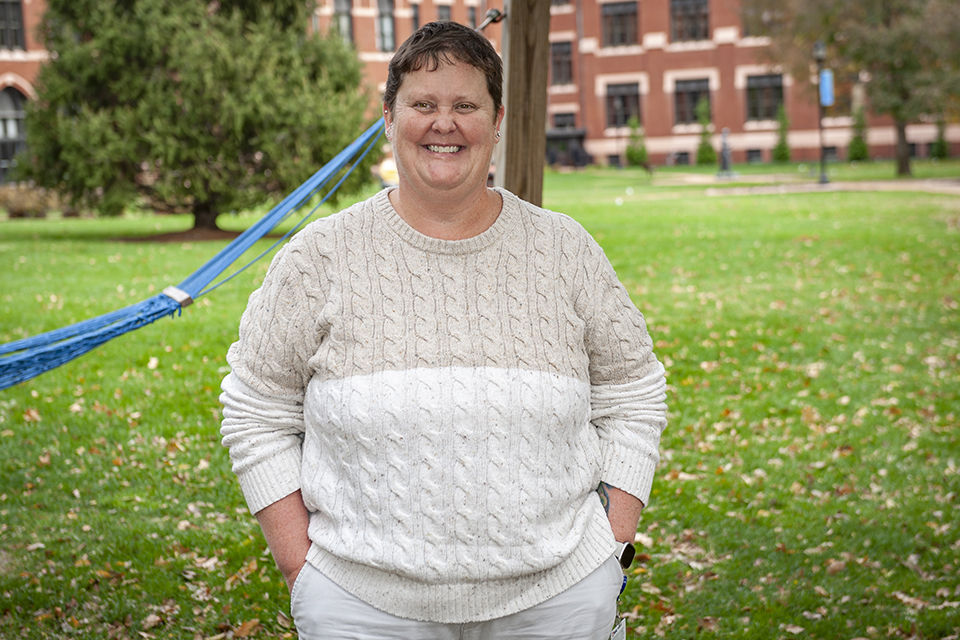
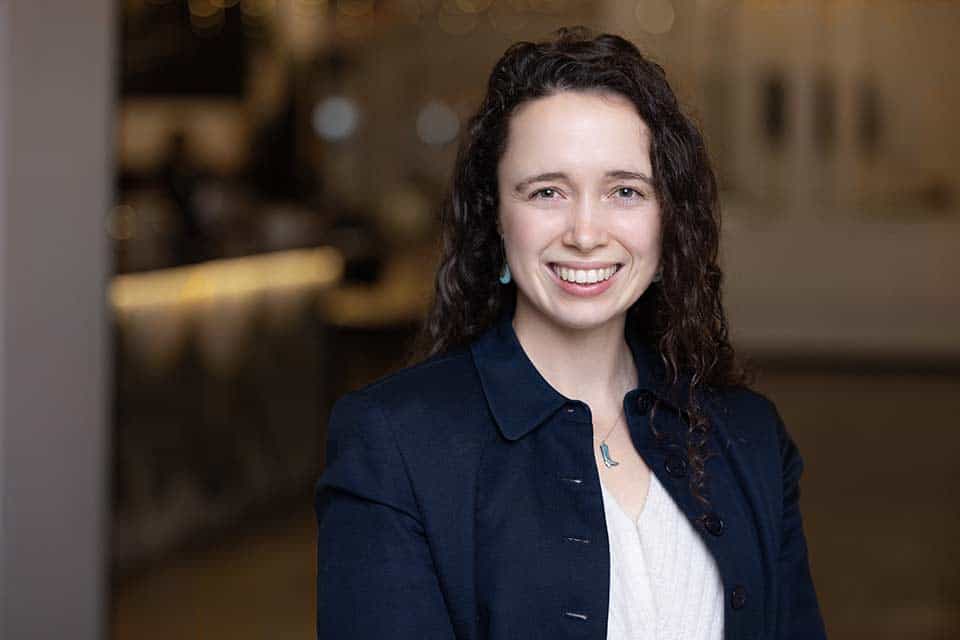
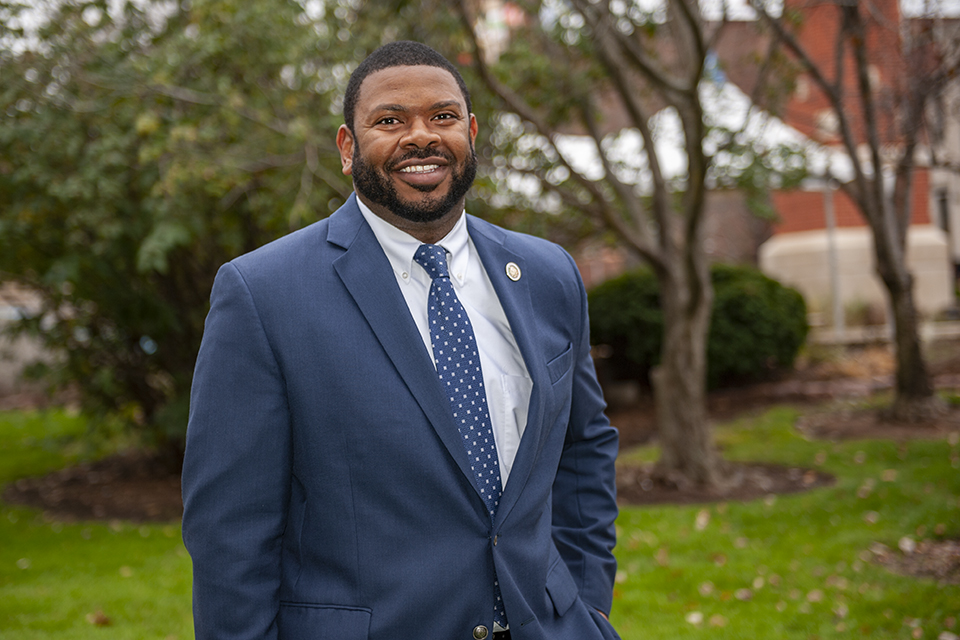

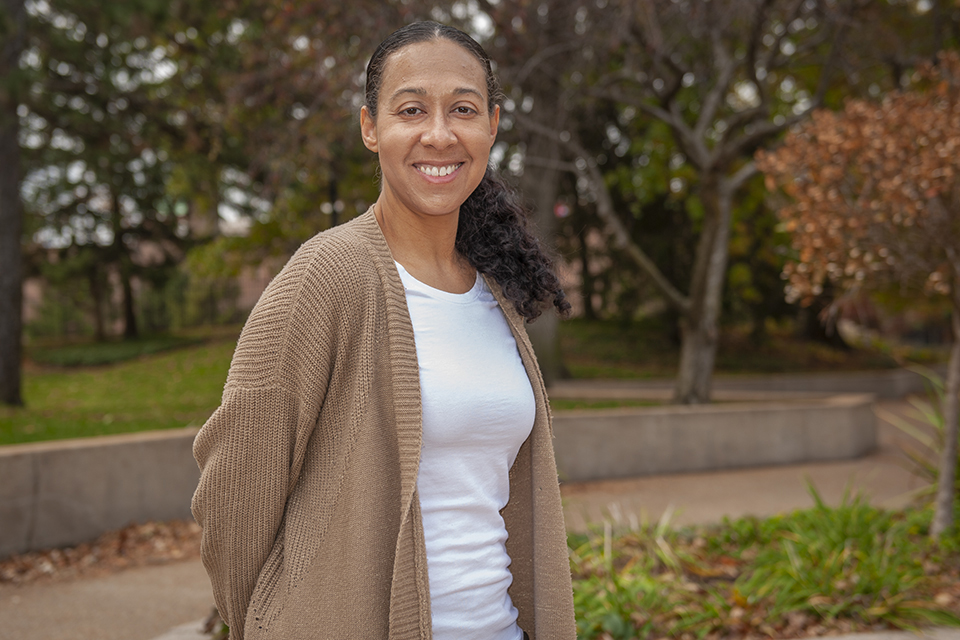
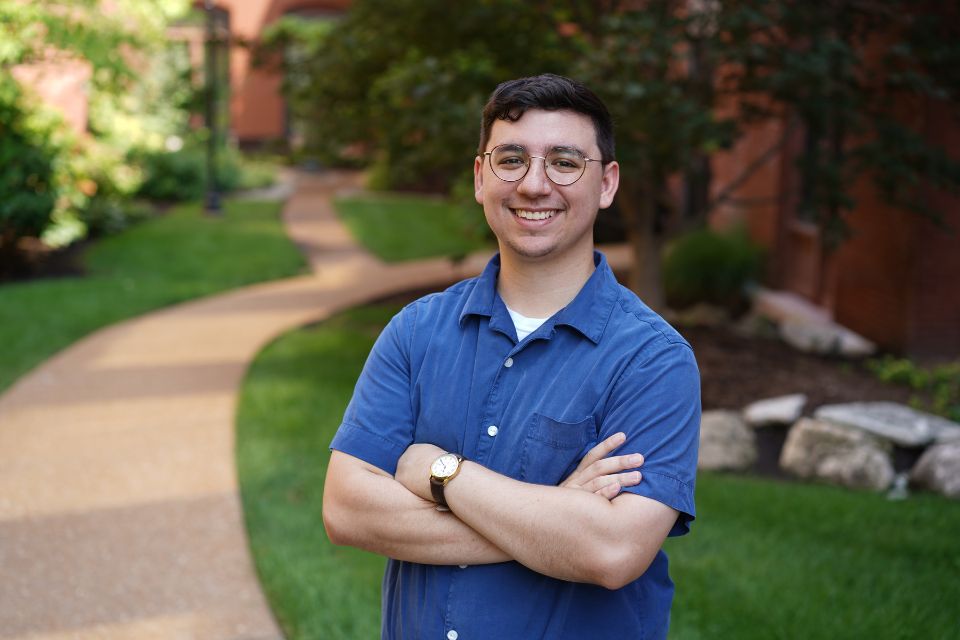
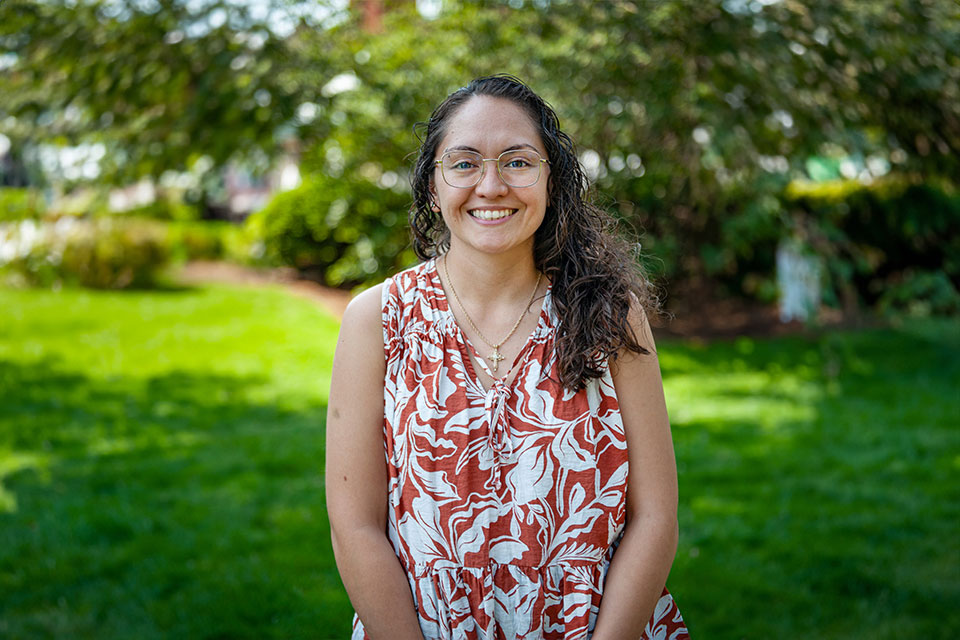
Graduate Assistants and Interns
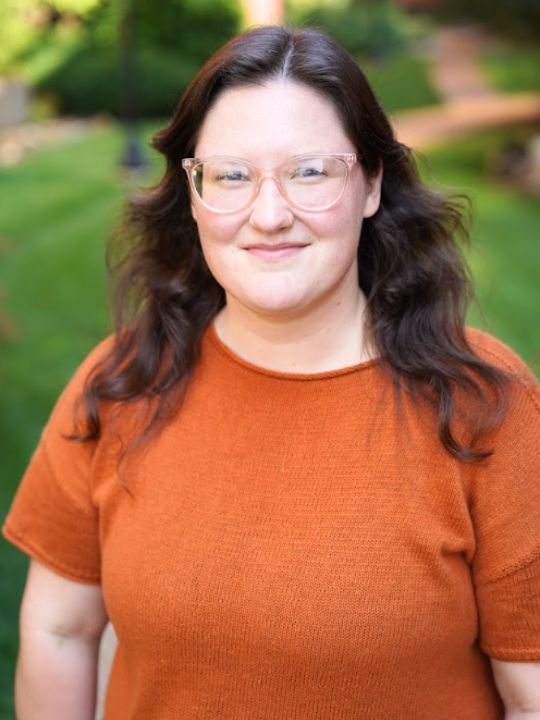
Olivia Dyer
Olivia works from a relational-cultural lens and with a person-centered approach. Dyer strives to meet students where they are and collaborate together to find creative approaches that feel meaningful and useful. Dyer is a third-year graduate student at Southern Illinois University Edwardsville (SIUE) in the M.A. Art Therapy Counseling Program. She holds a B.S. In Public Health and a B.A. In Studio Art with a minor in psychology from the University of Arkansas.
As an art therapy intern, Dyer's approach integrates art therapy with talk-based counseling, recognizing that sometimes experiences are easier to explore through creative expression than through words alone. Art therapy does not require previous art experience or artistic ability and can be used to develop coping skills, build insight and explore new perspectives.
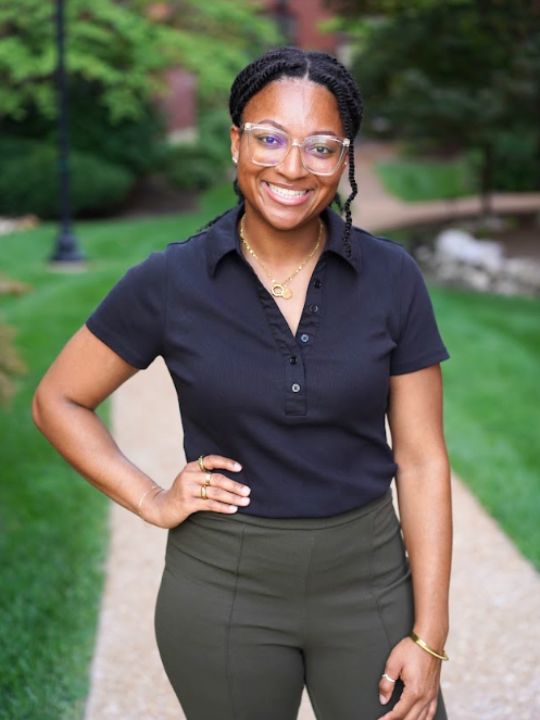
Michaela Jones
Michaela is a clinical psychology doctoral student at Saint Louis University. She recognizes the many systemic barriers that can impact access to equitable mental health care and is committed to creating a supportive and affirming space for students. Incorporating a person-centered approach to care, Jones is eager to support and collaborate with students as they navigate their experiences at SLU and beyond.
Outside of the UCC, she enjoys spending time with her family and dogs, watching a good show or enjoying a sweet treat.
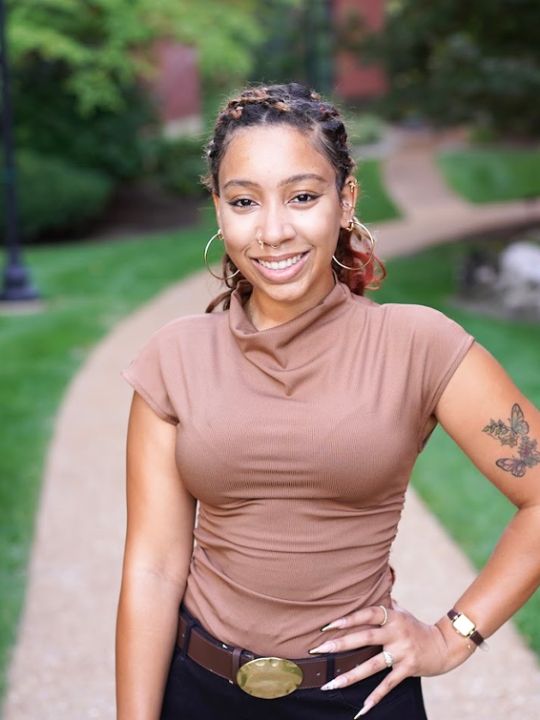
Olivia M. Cruz Oyola
Olivia M. Cruz Oyola is a UCC intern at the University Counseling Center. Her approach to therapy is collaborative, relational and grounded in the belief that growth is rarely a linear process. She strives to create a space where students feel supported in exploring their experiences, identities, relationships and goals at their own pace.
As she continues to develop her clinical approach, Cruz Oyola draws from training in Acceptance and Commitment Therapy (ACT), Dialectical Behavior Therapy (DBT), Cognitive Behavioral Therapy (CBT) and Interpersonal Psychotherapy (IPT), while working from a humanistic and culturally responsive framework. Across approaches, she is especially interested in integrating values exploration into therapy. She believes that understanding what matters most can provide direction during periods of uncertainty, change, or disconnection and support students in making choices that feel meaningful and authentic.
Cruz Oyola especially enjoys working with emerging adults as they navigate identity development, relationships, academic and career concerns, and life transitions. She values collaboration and autonomy in the therapeutic process and hopes to support students in developing a deeper understanding of themselves while identifying goals that align with their values and needs.
Outside of the counseling room, Cruz Oyola enjoys roller skating, dancing, cooking, caring for her plants, listening to music, and spending time with family and friends.
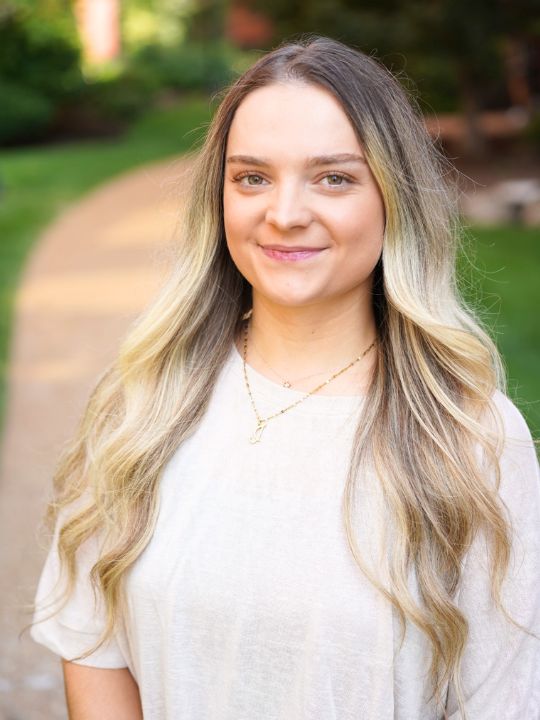
Jeannette Montefering
Jeannette is a graduate practicum student studying clinical social work at Saint Louis University. She is passionate about walking alongside clients on their journey toward healing, whatever that may look like for them. She is dedicated to supporting college students navigating anxiety, stress, relationships, self-confidence and life transitions.
Hours, Location and Parking
During the academic year, the UCC is open from 8 a.m. to 5 p.m. Monday through Friday and is closed on University holidays. Summer and winter break hours are from 9 a.m. to 4 p.m.
The UCC is located on the second floor of Wuller Hall, above the Eckelkamp Center for Campus Ministry (just west of the clock tower). Once you exit the elevator or staircase, make a left and follow the directional signs.
If you are a student, parking on campus is determined by your parking pass. If you are a visitor, you may park in the visitor's section of the Laclede parking garage. There is a charge to park in this garage.
Law students can park free of charge in the designated "Clinic Parking" spaces in the Queen's Daughters Lot (3700 Lindell Blvd.). You must obtain a parking pass from our clinic prior to the appointment and display it in your vehicle to avoid being ticketed.
Cost and Insurance Information
All services in the UCC are free of charge for students who pay the student wellness fee to the University. Personal insurance is not required or accepted at the UCC. Services outside of the UCC may require insurance and vary by provider.
Our Core Values
In addition to the Jesuit value of cura personalis — care for the whole person, the University Counseling Center, more commonly known as the UCC, aligns itself with core values and principles that guide our work ethic and reflect our commitment to students and campus partners.
Knowing that many SLU students seek counseling services during the most vulnerable times in their lives, having integrity is a number one priority of the UCC. Leading with honesty, ensuring that we are accountable, maintaining confidentiality, demonstrating respect, serving with humility and creating spaces where students feel safe are of utmost importance.
Given that SLU serves students from all over the world, and all students deserve a place where they feel welcome, seen and heard, the UCC operates from a communal perspective. Our desire to be a positive influence and contributing member of the well-being ecosystem necessitates affirming all student identities, honoring differences, and embracing uniqueness while promoting acceptance and belonging.
Whether a student needs individual counseling or crisis support or a faculty member is seeking mental health resources, the UCC wants our campus community to know that we strive to be as responsive as possible. In doing so, we aim to develop and maintain a high level of trust and reliability. We work hard to ensure we are available to meet demands and understand the value of utilizing supportive partners when necessary.
As the institutional landscape changes and evolves, student counseling needs can shift, requiring the UCC to position itself to center growth as one of its core values. Along with providing ongoing professional development training in best practices, the UCC integrates creativity and innovation into our approach to service delivery, the creation of well-being initiatives, and our programming.
Diversity and Anti-Racist Statement
The University Counseling Center is committed to embracing the unique identities and characteristics of all ethnicities, faiths, orientations, abilities and life experiences. Students can expect that our professionals will work with them in a safe and nonjudgmental fashion by creating an environment of support and acceptance.
The UCC recognizes the destructive impact that stereotypes, prejudice and discrimination have on one’s ability to function optimally and, therefore, strives to confront, dismantle and eradicate the inequities caused by racism, xenophobia, transphobia and other harmful oppressive conditions and systems.
The UCC also understands that Black, Indigenous and People of Color are often subjected to maltreatment, marginalization and silencing, especially within mental health systems of care — to which our staff responds by making a commitment to ongoing training and education, amplifying the voices of the BIPOC community and unconditionally rejecting all forms of racism.
Accreditation
The University Counseling Center holds accreditation through the International Accreditation of Counseling Services (IACS). This accreditation is awarded to college and university counseling centers that meet the criteria for demonstrating a high level of professionalism and quality.